



G7 moves to steady energy markets as Iran war drives oil surge



The world’s largest economies are shifting into crisis-management mode as the war involving the US, Israel and Iran begins to ripple through global energy markets.
Finance ministers and central bankers from the G7 said they are ready to intervene if needed, signalling a coordinated effort to contain volatility triggered by disruptions in oil supply.
“We stand ready to take all necessary measures in close coordination with our partners, including to preserve the stability and security of the energy market,” the group said after a teleconference organised by France on Monday.
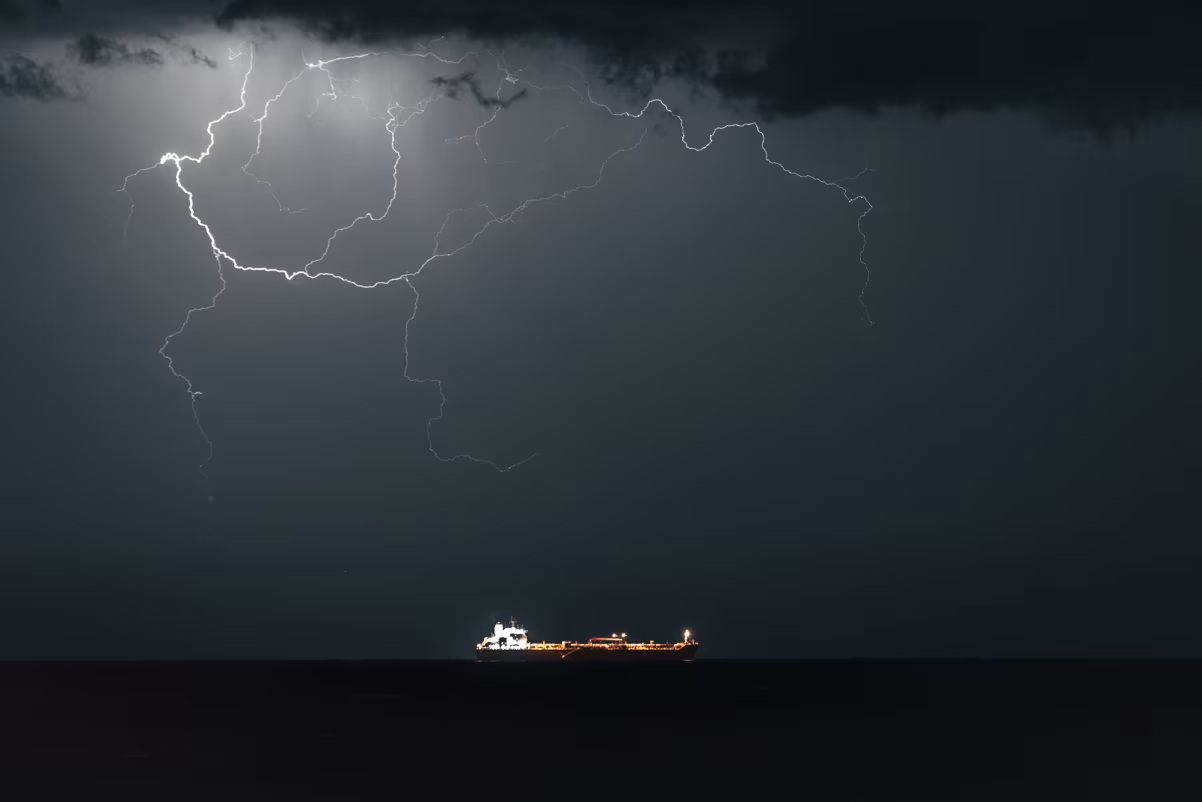
The urgency reflects what’s happening in real time. Iran’s retaliation, including targeting Gulf energy infrastructure and effectively blocking shipping through the Strait of Hormuz, has pushed Brent crude above $116 a barrel — a level that raises immediate concerns about inflation and economic slowdown.
The G7 is trying to prevent that shock from spreading further. Alongside its readiness to act, the group urged countries to avoid restricting exports of oil and gas, warning that protectionist moves could deepen the disruption. It also pointed to existing tools already being deployed, including the International Energy Agency’s recent decision to release a record 400 million barrels from strategic reserves.
For policymakers, the risk is not just energy prices, but the broader economic impact.
“The likelihood of oil price rises and supply concerns affecting markets and economic growth has increased,” Japan’s Finance Minister Satsuki Katayama said. “As such, we agreed that we cannot let this drag on.”
In Europe, the tone is similar but more cautious. UK Chancellor Rachel Reeves stressed the limits of political involvement while acknowledging the economic fallout.
“This is not our war, and we won’t be drawn into it, but its economic impacts are global – we must work with partners to strengthen resilience,” she said.
Central banks are also watching closely. The G7 statement emphasised that monetary policy decisions will remain data-driven, but the underlying concern is clear: sustained energy price increases could feed into inflation just as many economies are trying to stabilise.
The geopolitical backdrop remains fluid. The conflict began in late February with US and Israeli strikes on Iran and has since expanded, both militarily and economically. President Donald Trump has suggested seizing Iranian oil infrastructure, including Kharg Island, while the US continues to build up its military presence in the region.
At the same time, there are signs of indirect diplomatic engagement. US Secretary of State Marco Rubio said there are “messages and some direct talks going on between some inside of Iran and the United States, primarily through intermediaries”, though Tehran has denied that negotiations are underway.
Rubio also said the Strait of Hormuz — a critical artery for global oil flows — would “reopen one way or another”, underscoring how central the waterway has become to both the conflict and its economic consequences.

The latest news in your social feeds
Subscribe to our social media platforms to stay tuned