


Paris attack plot widens as authorities probe Iran link
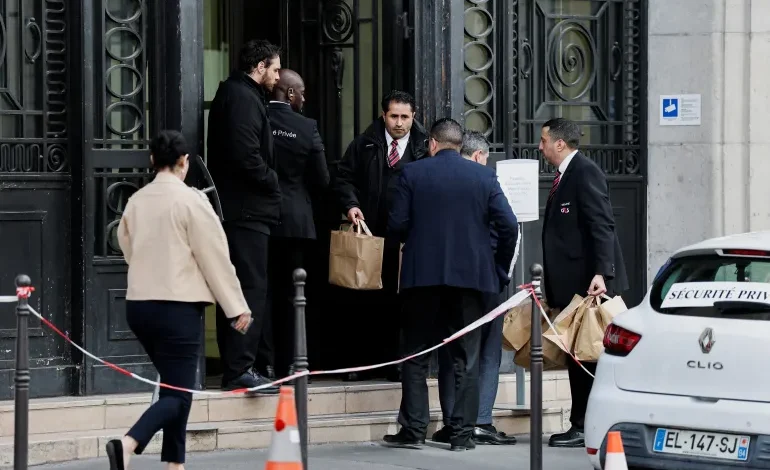

French authorities are expanding their investigation into a foiled attack on Bank of America’s Paris headquarters, as new arrests and emerging details point to a possible connection with the war on Iran.
The National Anti-Terrorism Prosecutor’s Office (PNAT) said five suspects are now in custody. Three minors were detained after Saturday’s attempted attack, and two additional adults were arrested on Monday.
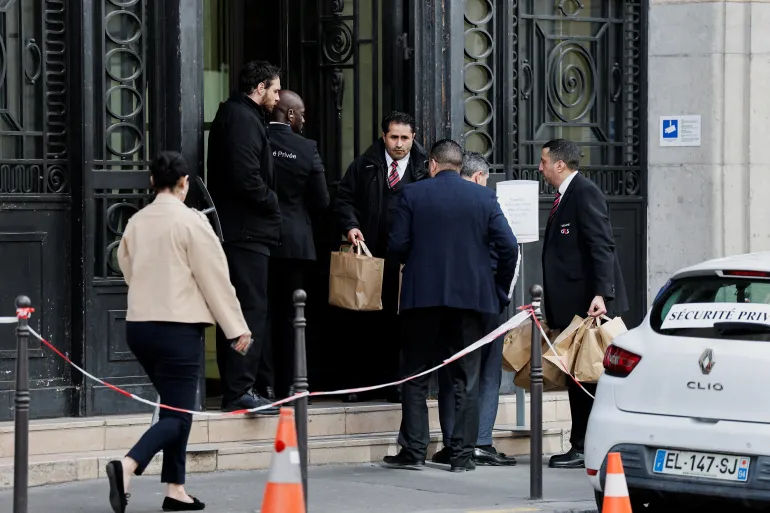
The case centres on a homemade explosive device placed outside the US financial institution near the Champs-Elysees. According to police, the device included an ignition system and five litres of liquid believed to be fuel.
The first suspect was arrested at the scene. He told police he was a minor from Senegal, though authorities are still verifying his identity. A police source told AFP that he claimed he had been recruited via Snapchat and offered 600 euros ($688) to carry out the attack.
He was not alone. A second individual, reportedly filming or photographing the scene, fled when officers arrived. It remains unclear whether that person is among those now detained.
Prosecutors have opened an investigation into attempted destruction using dangerous means linked to a “terrorist plot”, along with participation in a “terrorist” criminal association.
The broader concern is whether the incident fits into a wider pattern. Interior Minister Laurent Nunez said authorities are examining similarities with other recent attacks in Europe that have been claimed by a pro-Iran group.
“The modus operandi is in every respect similar to actions that have been carried out in the Netherlands and in Belgium,” Nunez said, referring to claims of responsibility by a group operating on Telegram under the name Harakat Ashab al-Yamin al-Islamia.
The same group has also claimed responsibility for a recent incident in London, where ambulances belonging to a Jewish charity were set on fire in Golders Green.
French officials say the method aligns with how Iranian intelligence operations are often understood to function — indirectly.
“Typically, intelligence services of this country [Iran] operate in this way. They use proxies, a series of subcontractors, often common criminals, to carry out highly targeted actions aimed at US interests, the interests of the Jewish community, or Iranian opposition figures,” Nunez said.


The latest news in your social feeds
Subscribe to our social media platforms to stay tuned