


Pentagon rejects report on defence chief’s alleged pre-war investment move
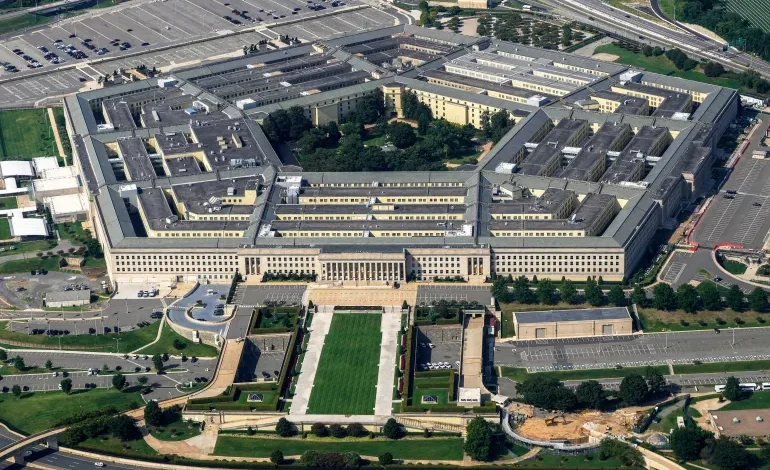

The US Department of Defense is pushing back against a report that raises questions about potential financial positioning ahead of the war on Iran.
On Monday, Pentagon spokesman Sean Parnell called for the “immediate” retraction of a Financial Times story that alleged a broker linked to Defence Secretary Pete Hegseth had explored a multimillion-dollar investment in defence-related assets shortly before the conflict escalated.
According to the report, a wealth manager for Hegseth contacted BlackRock about investing in an exchange-traded fund tied to major weapons manufacturers, including Lockheed Martin and Northrop Grumman. The outreach reportedly took place in the weeks leading up to the war.
However, the transaction was never completed. The Financial Times, citing unnamed sources, said the broker at Morgan Stanley did not proceed because the fund was not yet available for purchase at the time.
The Pentagon has firmly denied that any such attempt took place.
“This allegation is entirely false and fabricated. Neither Secretary Hegseth nor any of his representatives approached BlackRock about any such investment,” Parnell said in a post on social media.
“This is yet another baseless, dishonest smear designed to mislead the public.”
Parnell added that Hegseth and his department “remain unwavering in their commitment to the highest standards of ethics and strict adherence to all applicable laws and regulations.”
The report itself could not be independently confirmed. The Defense Department did not respond to follow-up questions outside of business hours, while The Financial Times and Morgan Stanley also did not comment. BlackRock declined to comment.
The timing of the allegation has drawn attention amid broader scrutiny of financial activity linked to the conflict. Recent market movements and well-timed trades in both financial and prediction markets have fuelled speculation about whether individuals with access to sensitive information may be attempting to capitalise on geopolitical developments.
In this case, even if the reported investment had gone ahead, it would not have resulted in immediate gains. While the iShares Defense Industrials Active ETF has increased by more than 25 percent over the past year, it has dropped nearly 13 percent since the US and Israel began strikes on Iran on February 28.
That performance complicates the narrative of straightforward profit-taking tied to the conflict, even as questions about timing and intent continue to circulate.


The latest news in your social feeds
Subscribe to our social media platforms to stay tuned