



Rubio outlines dual-track strategy on Iran as war goals sharpen
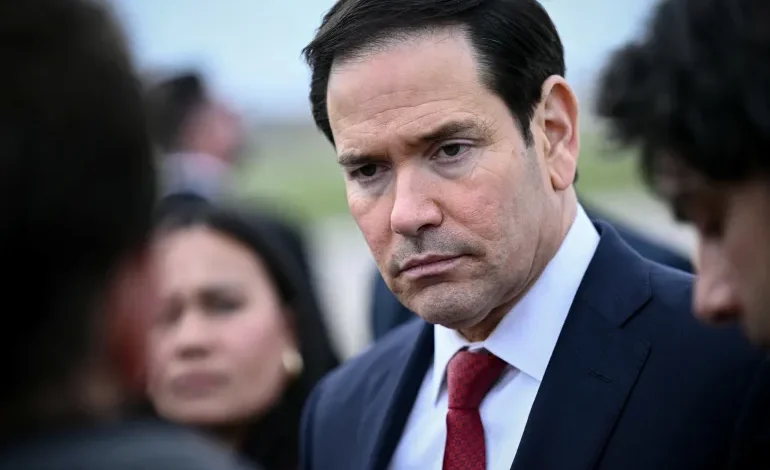

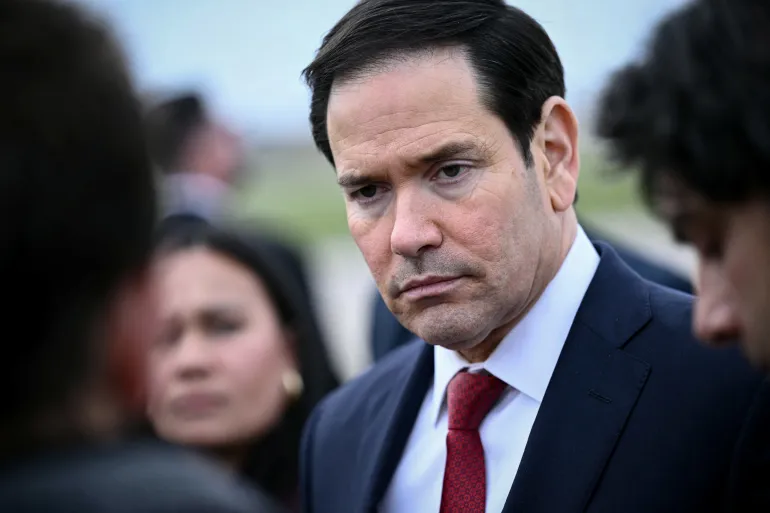
US Secretary of State Marco Rubio is laying out a strategy that blends ongoing military pressure with indirect diplomacy, as Washington pushes for a decisive outcome in its conflict with Iran.
In an interview on Monday, Rubio said communication between the US and Iran is continuing, albeit largely through intermediaries.
He said there are “messages and some direct talks going on between some inside of Iran and the United States, primarily through intermediaries”, adding that the US president “always prefers diplomacy, always prefers an outcome”.
At the same time, the administration is maintaining a hard line on its core demands. Rubio reiterated that Iran must dismantle its nuclear and missile capabilities.
“The Iranian regime can never have nuclear weapons.”
“What they cannot have is a system that allows them to quickly weaponise it,” he said. “They have to abandon all these weapon programmes and all their nuclear ambitions.”
He also framed Iran’s missile programme as a regional threat.
“These short-range missiles that they’re launching, they only have one purpose, and that is to attack Saudi Arabia and the UAE and Qatar and Kuwait and Bahrain.”
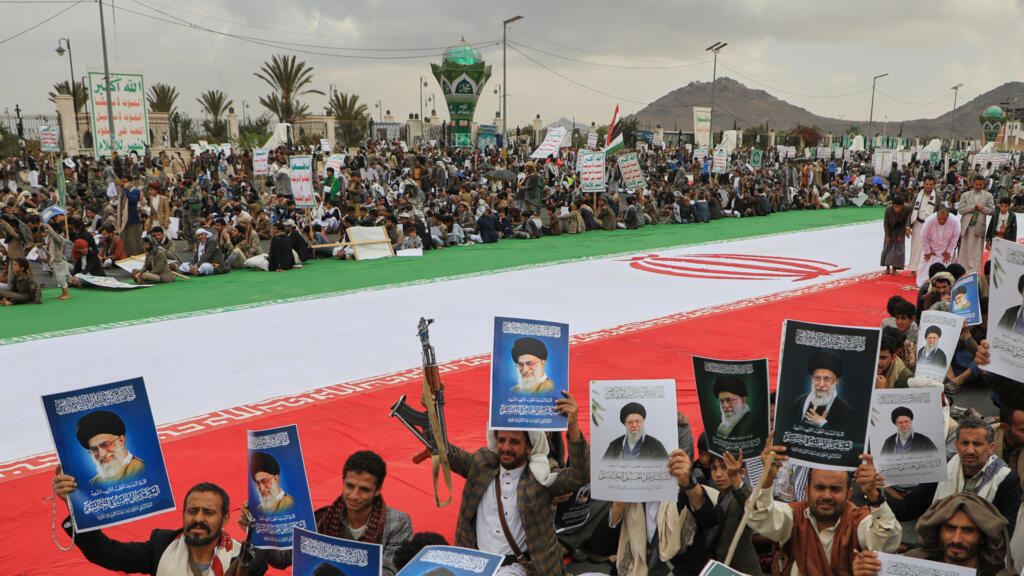
That position is contested by Iranian analysts, who argue that Tehran’s military posture is defensive in nature and shaped by asymmetry rather than expansion.
“When was the last time Iran attacked its neighbours over three centuries?” said Hassan Ahmadian, suggesting the country is acting to deter pressure rather than project power.
“Why is it doing this now? Because it’s the underdog in an asymmetric war that it wants to shield itself by expanding.”
As the conflict unfolds, one of the central flashpoints remains the Strait of Hormuz. Rubio made clear that Washington will not accept any attempt by Iran to control the waterway.
“Not only is the sovereignty over the Strait of Hormuz not acceptable to us, it won’t be acceptable to the world.”
“The Strait of Hormuz will be open … It will be open one way or another,” he said, warning that Iran would otherwise “face real consequences”.
Rubio also projected confidence in the military campaign itself, saying US objectives are close to being met.
“Those objectives are the destruction of their air force, which has been achieved, the destruction of their navy, which has largely been achieved.”
“A significant reduction in the number of missile launchers… and we are going to destroy the factories that make those missiles and those drones.”
“We are well on our way or ahead of schedule.”
“We will achieve them in weeks, not months.”
“That’s a matter of weeks. I’m not going to tell you exactly how many weeks, but a matter of weeks, not months.”
Beyond the battlefield, Rubio hinted at a more fluid political horizon. While he said regime change is not an official goal, he made clear the US would not oppose it.
“We would always welcome a scenario in which Iran was led by people that had a different view of the future,” he said.
“Do we think the people of Iran deserve better leadership than what they’ve gotten from the clerical regime? One hundred percent.”
“Would we be heartbroken if there was a change in leadership? Absolutely not.”
“If there’s something we could do to facilitate that, would we be interested in participating? Of course.”
He also acknowledged uncertainty around Iran’s current leadership structure.
“We don’t even know he’s in power. I know they say he’s in power. No one has seen him. No one has heard from him.”
“It’s very opaque right now. It’s not quite clear how decisions are being made inside of Iran.”
At the same time, Rubio used the moment to question the reliability of US allies. He criticised some NATO countries for restricting access to bases and airspace during the conflict.
“We have countries like Spain, a NATO member that we are pledged to defend, denying us the use of their airspace and bragging about it, denying us the use of their bases.”
“And so you ask yourself, well, what is in it for the United States?”
“If NATO is just about us defending Europe from attack, but them denying us basing rights when we need them, that’s not a very good arrangement.”
“All of that is going to have to be re-examined.”


The latest news in your social feeds
Subscribe to our social media platforms to stay tuned