




CNBC, AP, Reuters, the Wall Street Journal, and Bloomberg contributed to this report.
Wall Street finally caught a break.
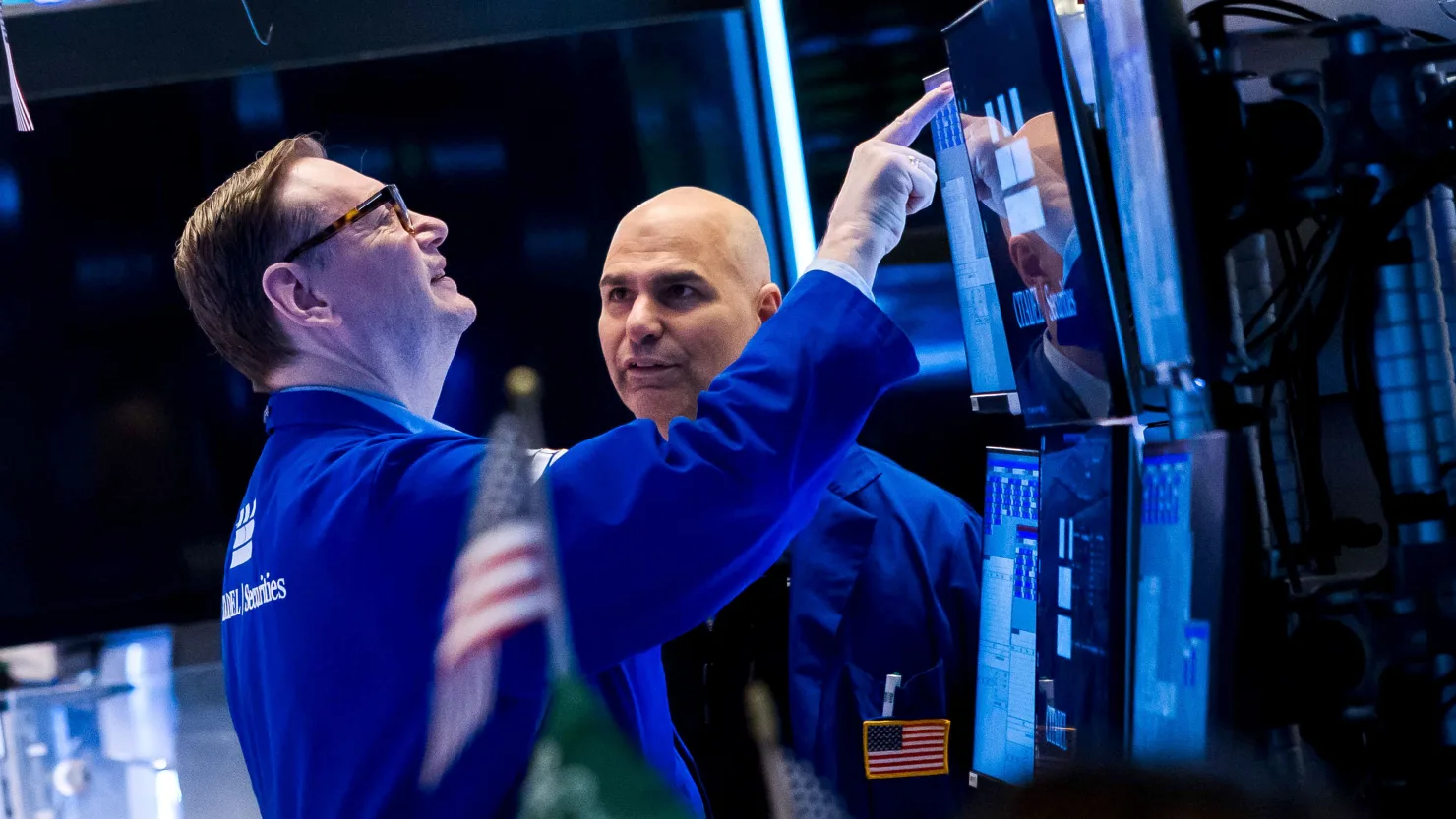
US stocks jumped Tuesday, snapping back after weeks of pressure tied to the war with Iran. The rally wasn’t subtle either. The Dow surged hundreds of points, the S&P 500 posted its strongest session since the conflict began, and the Nasdaq pushed even higher on a wave of tech gains.
By late morning, the S&P 500 was up about 1.4%, the Dow Jones Industrial Average had climbed more than 400 points, and the Nasdaq was leading the pack with a nearly 2% gain. A sharp move, especially considering the market had recently slipped more than 9% below its record high.
What changed? Oil blinked.
After driving market anxiety for weeks, crude prices eased just enough to give investors some breathing room. Brent crude hovered around $107 a barrel, while US crude ticked slightly higher but stayed off recent peaks. That matters. Energy costs have been the main force behind the market’s mood swings, swinging sentiment from panic to relief almost daily.
The bigger fear hasn’t gone away. Traders are still worried the war could drag on and choke off supply from the Persian Gulf, where a huge share of the world’s oil moves through a narrow shipping route. Any serious disruption there risks another surge in inflation – fast and painful.
Still, there was a flicker of optimism overnight. Reports suggested the White House may be open to ending military operations even if key oil routes remain restricted. That alone was enough to steady nerves, at least for now.
Markets, though, aren’t fully buying the calm. Oil prices remain volatile, and recent attacks in the region – including strikes on tankers – are a reminder that things can escalate quickly. Traders have been burned before by sudden reversals.
Meanwhile, the effects of higher energy costs are already hitting home. Gas prices in the US have pushed past $4 a gallon again, squeezing household budgets. That ripple effect – less spending, tighter margins – has been hanging over stocks all month and is a big reason the market is still on track for its worst quarter in years.
Tuesday’s rally helped soften the blow.
Airlines and travel stocks, which tend to suffer when fuel costs spike, rebounded as oil cooled. Cruise operators and major carriers both moved higher, trimming some of their recent losses.
Tech stocks did even more heavy lifting. Chipmakers and AI-linked names surged, with one standout jumping after a major investment announcement. That momentum spilled across the sector, giving the broader market an extra push.
There were still pockets of weakness. A major spice company dropped sharply after news of a massive acquisition deal, showing that not every corner of the market is riding the same wave.
Over in the bond market, yields edged lower again. The 10-year Treasury slipped, continuing a recent trend. Lower yields can ease borrowing costs, which helps both businesses and consumers – but they also reflect lingering caution about economic growth.
Fresh economic data didn’t hurt the mood. Consumer confidence came in stronger than expected, and job openings were higher than forecast, even if they’ve cooled slightly from previous levels.
Outside the US, the picture was mixed. European markets followed Wall Street higher, while parts of Asia struggled, with notable declines in South Korea and Japan.
For now, the market is moving to the rhythm of oil prices. When energy cools, stocks rally. When it spikes, everything else takes a hit.
And with the war still unresolved, that rhythm isn’t changing anytime soon.



The latest news in your social feeds
Subscribe to our social media platforms to stay tuned