
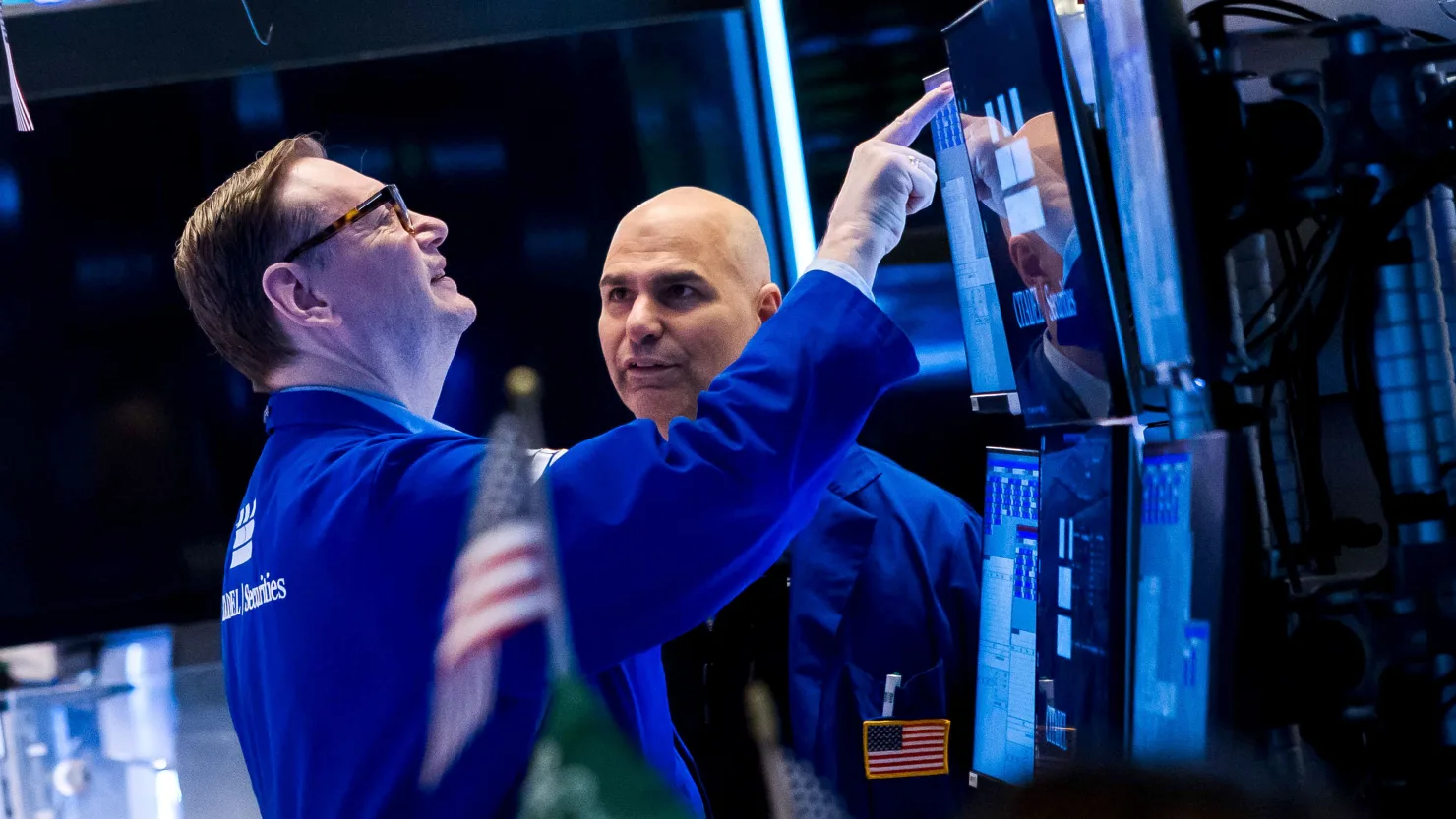
Who pays for the war: White House signals cost-sharing push to Arab states
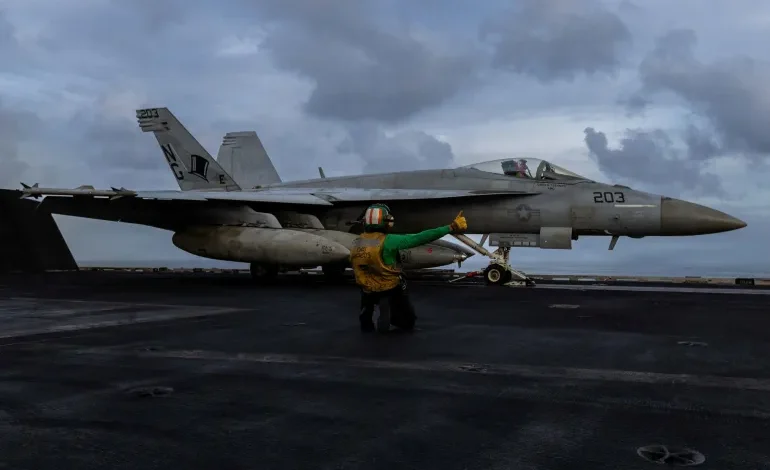


The White House is floating an idea that reaches beyond the battlefield: asking Arab allies to help pay for the United States’ war against Iran.
Speaking on Monday, presidential spokeswoman Karoline Leavitt suggested that US President Donald Trump is open to calling on regional partners to cover part of the cost, echoing a model used during the 1990 Gulf War.
“I think it’s something the president would be quite interested in calling them to do,” Leavitt told reporters.
“I won’t get ahead of him on that, but certainly it’s an idea that I know that he has, and something that I think you’ll hear more from him on.”
The reference point is clear. During the Gulf War, the US assembled a broad international coalition and secured roughly $54bn in contributions from allies, including countries in the Middle East as well as Germany and Japan. That arrangement helped offset the financial burden of the military campaign.
This time, the context is different. The current war against Iran was launched by the US and Israel without a comparable multinational coalition, leaving open questions about both legitimacy and burden-sharing.
The cost itself is rapidly escalating. US officials reportedly told Congress that the first six days of the war cost $11.3bn, while estimates from the Center for Strategic and International Studies put the figure at $16.5bn by day 12. With the conflict now into its second month, the total is likely significantly higher.
At the same time, the White House is seeking at least $200bn in additional military spending from Congress to sustain operations and replenish depleted stockpiles.
The idea of externalising costs is not limited to US allies. Some voices close to Trump have suggested that Iran itself should bear the financial burden of the conflict.
“They must agree to repay America in oil for the entire cost of this entire military operation,” commentator Sean Hannity said earlier this month.
Tehran, however, has taken the opposite position, making compensation for war damage one of its own conditions in negotiations.
Meanwhile, the economic effects of the war are already being felt beyond government budgets. Iran’s closure of the Strait of Hormuz has disrupted global energy flows, pushing oil prices higher and feeding into rising fuel costs.
In the United States, petrol prices have climbed to an average of $3.99 per gallon, more than $1 higher than before the war began, according to AAA data.
The administration has framed these increases as temporary.
“The overall message, as we repeatedly stated again: These are short-term actions and short-term price fluctuations for the long-term benefit of ending the threat that Iran poses to the United States of America, our troops and our allies in the region,” Leavitt said.

The latest news in your social feeds
Subscribe to our social media platforms to stay tuned