

Reuters, Bloomberg, and the Wall Street Journal contributed to this report.
Gold took a hit – and not a small one. After days of steady gains, prices slid sharply on Thursday, rattled by a sudden shift in how markets are reading the Iran conflict.
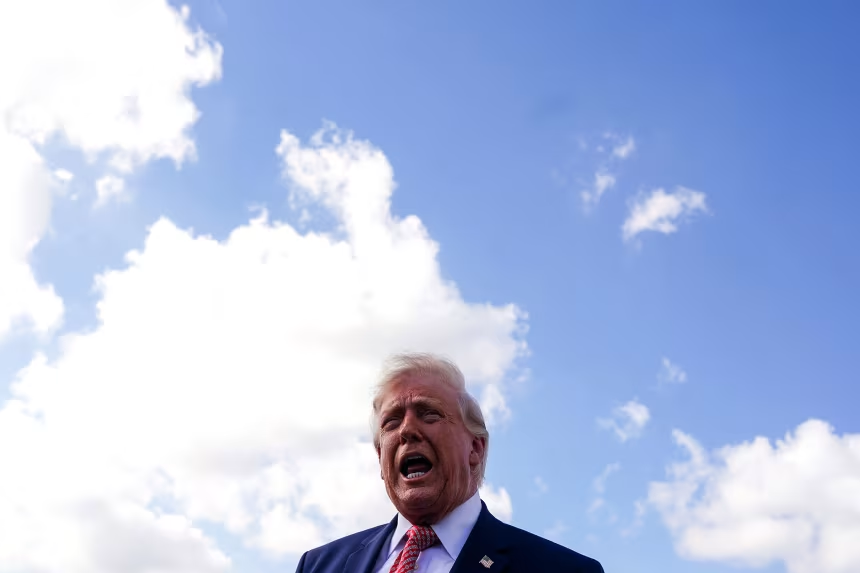
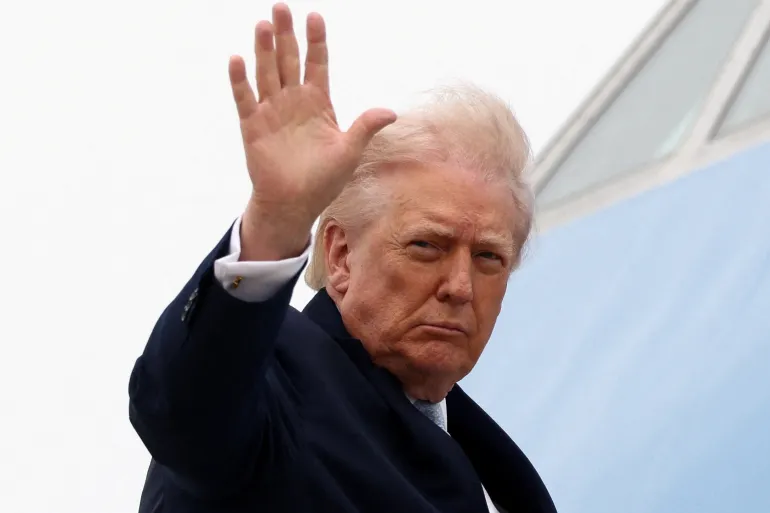
The trigger came from Washington. US President Donald Trump signaled that attacks on Iran would continue, dashing hopes of a near-term resolution. Markets reacted instantly, but not in the way many might expect from geopolitical tension.
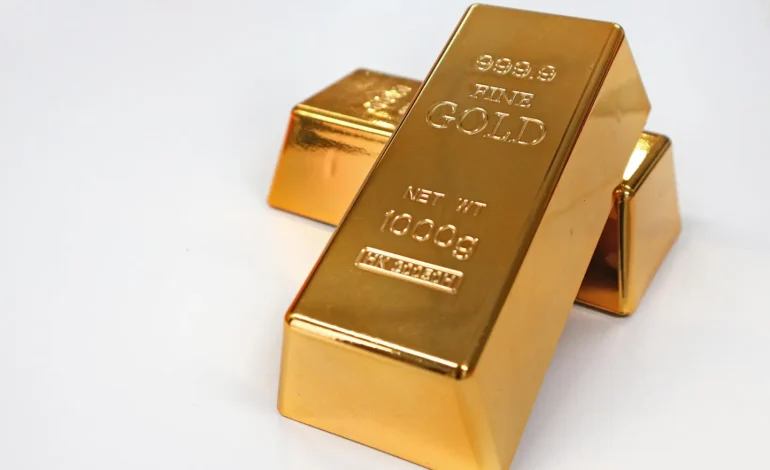
Gold fell more than 4% after the remarks, snapping a four-day winning streak. Spot prices dropped around 3% during the session, while US futures sank even further. The move pulled bullion back from two-week highs it had just reached a day earlier.
The twist? Oil surged.
Crude prices jumped nearly 8% as traders priced in prolonged instability in the region. And that surge changed the narrative. Rising oil means rising inflation risks, and that feeds directly into expectations for US interest rates. Suddenly, the idea of the Federal Reserve cutting rates anytime soon looked far less likely.
That shift matters for gold. The metal doesn’t pay interest, so when rates stay higher for longer, it loses some of its appeal. Investors start looking elsewhere.
They didn’t have to look far. The US dollar stepped in.
Instead of gold, traders piled into the dollar as their preferred safe haven. Treasury yields climbed, the dollar strengthened, and gold found itself squeezed from both sides – less attractive compared to yielding assets, and less necessary as a crisis hedge.
Market pricing moved quickly. Expectations for a December rate cut dropped to about 14%, down from roughly 25% before Trump’s address. That’s a sharp rethink in a short window.
There’s a pattern here. Since the start of the conflict, gold and oil have been moving in opposite directions. When oil spikes hard enough, inflation fears take over, and gold loses its footing. That dynamic played out almost perfectly this time.
Still, zoom out and the picture isn’t entirely bearish. Despite the drop, gold is on track for a weekly gain of around 2.4%. The broader drivers – central bank demand, geopolitical risk, long-term inflation hedging – haven’t disappeared. They’ve just been overshadowed, temporarily, by rate expectations and currency flows.
Other metals didn’t escape the sell-off. Silver dropped sharply, at one point falling more than 7%. Platinum and palladium also slid, though less dramatically.
For now, the market is sending a clear message. In this phase of the Iran conflict, it’s not just about fear – it’s about inflation, interest rates, and where capital feels safest. And right now, that place isn’t gold.



The latest news in your social feeds
Subscribe to our social media platforms to stay tuned