




With input from CNBC.
Stocks kicked off the new month with a jolt of optimism. After weeks of volatility driven by the escalating Iran conflict, investors suddenly found something to latch onto: the possibility that the war might actually wind down soon.
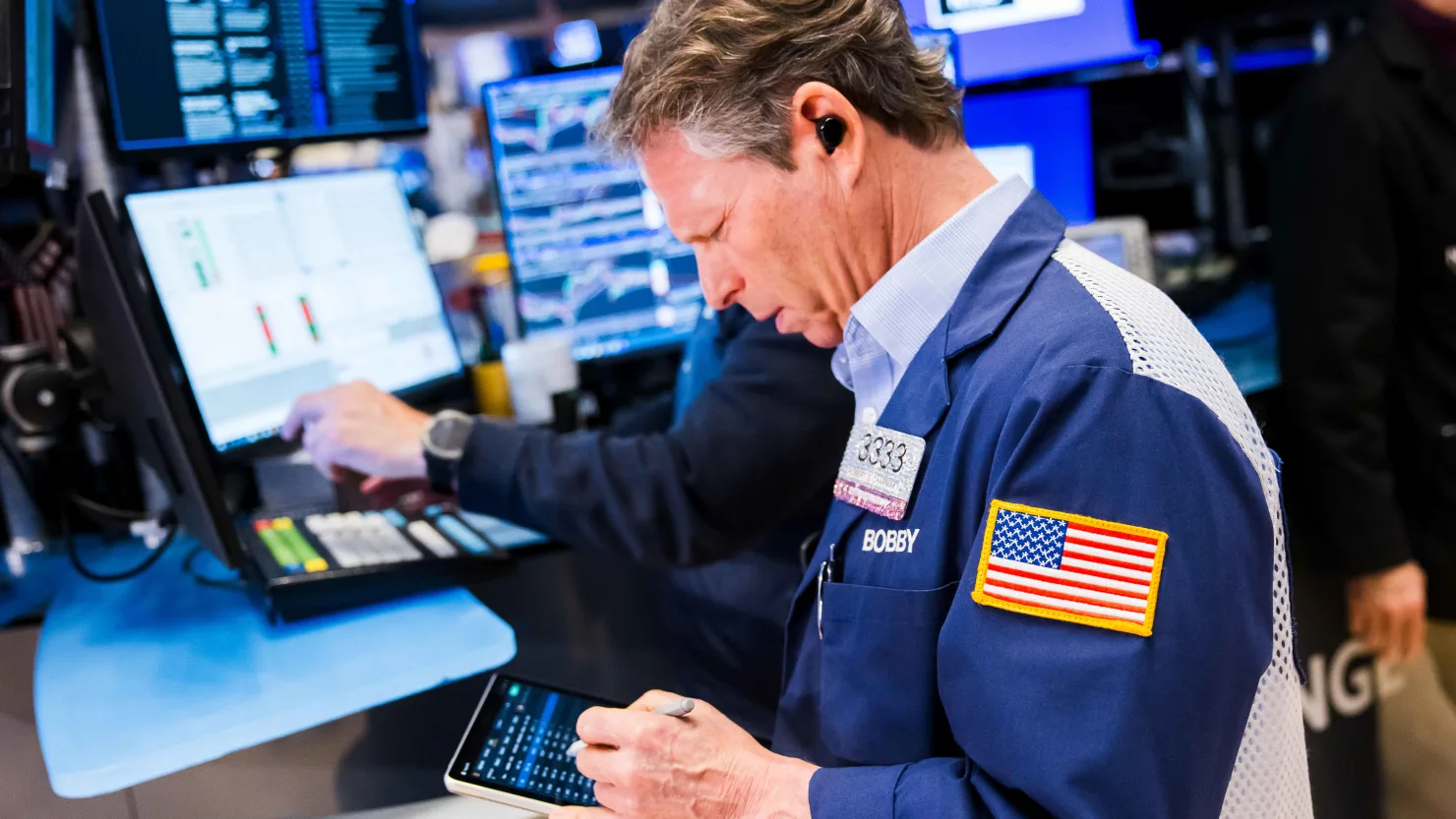
The S&P 500 had climbed 1.2%, while the tech-heavy Nasdaq Composite jumped 1.8%. The Dow Jones Industrial Average wasn’t far behind, adding roughly 450 points. It wasn’t a slow grind higher either – this was a broad, confident move, the kind that suggests traders are repositioning fast.
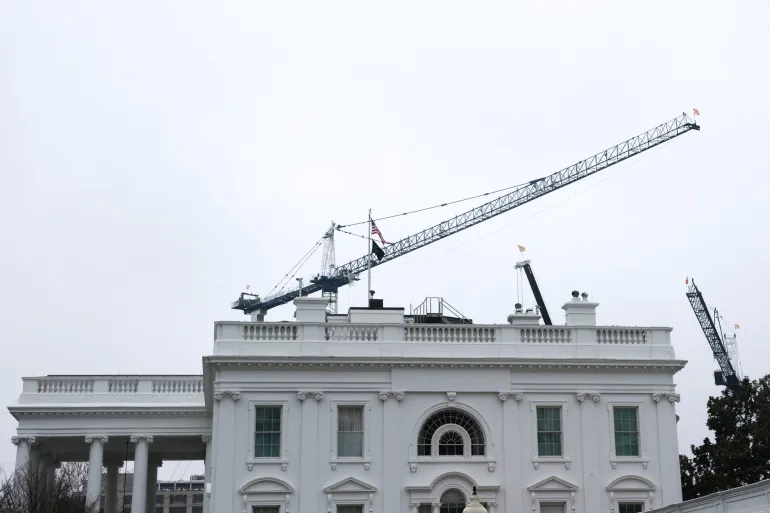
The shift came after fresh signals from Washington. President Donald Trump said Iran’s president had reached out seeking a ceasefire. There was a catch, of course. Any deal hinges on the Strait of Hormuz being “open, free, and clear,” Trump said, pairing the diplomatic note with a far more aggressive warning that the US would otherwise continue its campaign at full force.
That mix – talks on one side, threats on the other – has become a defining feature of this conflict. Markets, for now, are choosing to focus on the first part.
A day earlier, Trump told reporters he expects US forces to pull out of Iran within “two or three weeks.” That timeline, whether realistic or not, was enough to spark a rally that carried into Wednesday’s session.
Oil reacted immediately. Prices eased, pulling back from recent highs as traders recalibrated risk. US crude hovered around $100 per barrel, with West Texas Intermediate slipping about 1%, while Brent crude edged down to just above $102. After weeks of fear-driven spikes, even a hint of de-escalation was enough to take some pressure off.
Patrick Ryan, chief investment strategist at Madison Investments, summed up the mood bluntly: the market is “sniffing out” a potential resolution in the coming weeks. That doesn’t mean certainty – it means probability. And right now, that probability is shifting.
The rally didn’t come out of nowhere. Tuesday had already set the tone, with stocks surging on reports – still unconfirmed – that Iranian President Masoud Pezeshkian might be open to ending the war if certain conditions are met. He’s been consistent on that front, calling for recognition of Iran’s rights, reparations, and guarantees against future attacks.
Investors don’t need a signed agreement to react. They just need momentum in that direction.
Still, nobody on Wall Street is calling this a done deal. Ryan cautioned that without a clear “all-clear” signal, markets are likely to stay jumpy. The swings of the past month haven’t disappeared – they’re just temporarily pointed upward.
And there’s another wildcard looming: Trump is set to address the nation later Wednesday evening with what the White House calls an “important update” on the war. Traders will be watching closely. A firm timeline or concrete steps toward a ceasefire could extend the rally. Anything less could bring volatility roaring back.
Under the surface, the market tells a more mixed story.
Some stocks are thriving. Five companies in the S&P 500 hit fresh 52-week highs, including Pfizer and Equinix, while Ross Stores pushed into territory it hasn’t seen since going public in the 1980s. Utilities like Sempra and Entergy are also riding strong momentum, reflecting continued demand for defensive plays even as risk appetite returns.
At the same time, weakness hasn’t vanished. Ten stocks dropped to new lows, with Nike leading the downside. The athletic giant is on track for its worst day in about a year, plunging more than 14% after issuing a disappointing outlook. The drop wipes out much of the goodwill from its better-than-expected quarterly results and adds to a brutal run – shares are now down nearly 30% in 2026 alone.
Other pockets of the market are moving for entirely different reasons. Intel surged nearly 10% after announcing a $14.2 billion deal to buy back a stake in its Ireland chip facility, a move aimed at tightening control over its manufacturing base. Eli Lilly jumped after securing FDA approval for a new GLP-1 pill, with analysts projecting massive long-term sales.
And then there’s SpaceX, quietly filing for an IPO that could land as soon as June. The potential listing – reportedly tied to a valuation north of $1 trillion after its merger with xAI – adds another layer of excitement to a market already shifting quickly.
Economic data isn’t taking a back seat either. US manufacturing activity expanded in March, with the ISM index coming in stronger than expected. Production is up. Deliveries are slowing – a sign of supply chain strain. Prices, though, are surging, a reminder that the war’s inflationary impact is still working its way through the system.
The Federal Reserve is watching all of this closely. St. Louis Fed President Alberto Musalem suggested rates are likely to stay where they are for now, describing the current policy stance as balanced in a “highly uncertain” environment. Translation: no rush to move, and plenty of reasons to wait.
That uncertainty is everywhere you look.
Retail sales data from February showed consumers were still spending before the war intensified. Job growth, while modest, beat expectations. Even crypto managed to snap a losing streak in March, with bitcoin posting its first monthly gain in six months.
And yet, geopolitical risk continues to cast a long shadow. Iran’s Revolutionary Guard has threatened attacks on major US tech firms operating in the Middle East, raising the specter of a new front in the conflict – one that could hit corporate infrastructure rather than oil routes.
For now, markets are choosing optimism. Asia rallied overnight, with South Korea’s Kospi posting one of its biggest gains in years. European stocks followed, rebounding sharply after a brutal March.
The pattern is clear: any hint that the war might end is enough to drive a global relief rally.
But relief is not resolution.
Oil is still hovering near $100. Supply routes remain fragile. Military operations are ongoing. And diplomacy, while active, has yet to produce anything concrete.
Investors know this. They’re trading the possibility of peace, not the reality of it.
That distinction matters. It’s why rallies like this can be powerful – and fragile at the same time.
For now, though, the mood has shifted. After weeks dominated by escalation, the conversation has turned, even slightly, toward an exit.
And in this market, that’s enough.


The latest news in your social feeds
Subscribe to our social media platforms to stay tuned