



Bloomberg, the Guardian, CBS News, CNN, and Reuters contributed to this report.
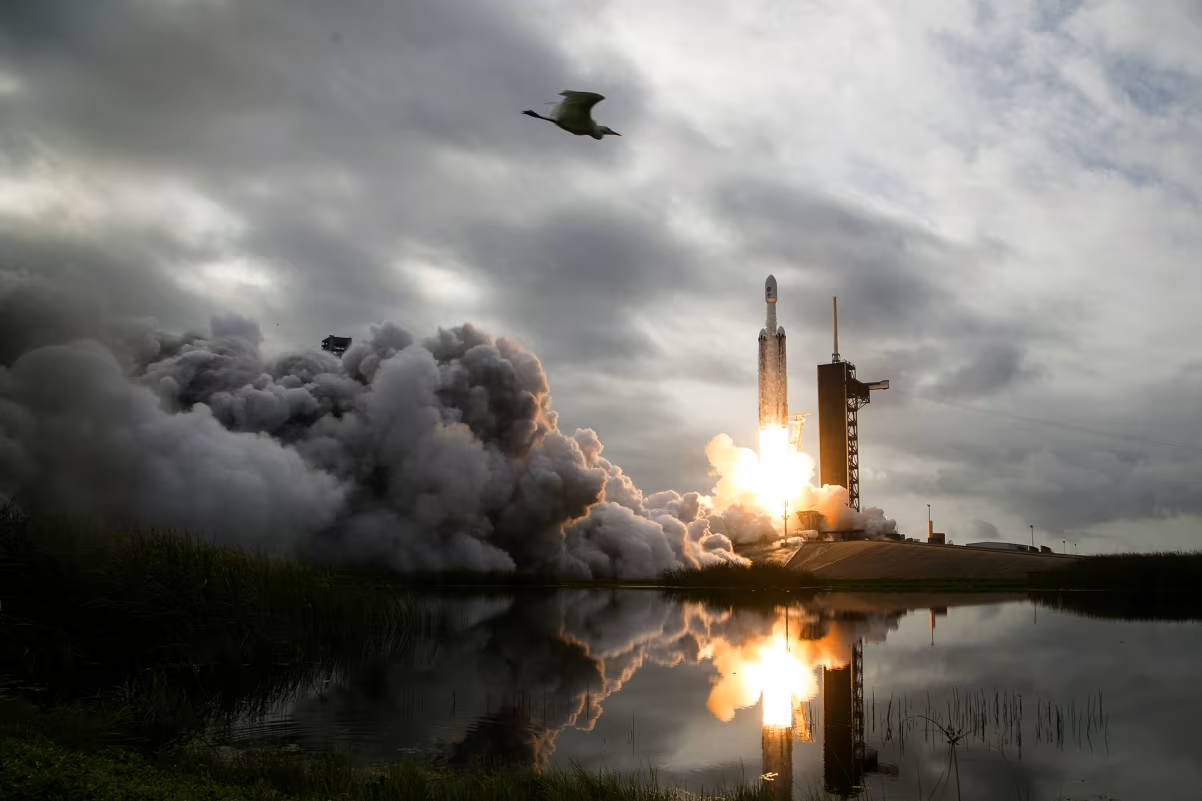
Elon Musk’s rocket empire is edging closer to Wall Street – and if the numbers hold, it could rewrite the record books.
According to multiple reports, SpaceX has confidentially filed for an initial public offering, setting the stage for what could become the largest IPO ever. The company has submitted draft paperwork to the Securities and Exchange Commission, a behind-the-scenes step that allows it to test investor appetite before going fully public.
The timeline is already taking shape. Insiders point to a potential listing as early as June or July. Details remain tightly guarded for now, which is exactly the point of a confidential filing. It gives SpaceX room to negotiate, tweak, and gauge reaction without exposing its financials to the public too soon.
Still, the scale is hard to ignore. The company is reportedly aiming to raise as much as $75 billion, with a possible valuation around $1.75 trillion. That would put it in a different league entirely – far beyond the likes of Saudi Aramco’s $25.6 billion debut in 2019 or Alibaba’s $21.8 billion IPO in 2014.
For Musk, already the richest person on the planet, this could mean an even tighter grip on a company that sits at the crossroads of space, defense, and artificial intelligence.
And that’s really the story here. SpaceX isn’t just a rocket company anymore.
The fresh cash would likely fuel a sprawling set of ambitions. Analysts say the funds could go toward scaling launch operations, expanding the Starlink satellite network, and building out something far more unconventional: data centers in space. Musk has floated the idea of using satellites to handle AI workloads, sidestepping the massive energy and cooling demands that come with earthbound infrastructure.
There’s also a political angle. A public listing could strengthen SpaceX’s position when it comes to defense contracts, particularly under the Trump administration. One project in focus is the so-called “Golden Dome,” a proposed missile defense system designed to shield the US from aerial threats. SpaceX is already deeply embedded in national security work, and more capital could push it further into that orbit.
The company’s growth over the past two decades has been relentless. Founded in 2002, SpaceX now dominates the global launch market. It’s the primary vehicle for sending American astronauts to and from the International Space Station and plays a central role in NASA’s Artemis program, which aims to return humans to the Moon for the first time since 1972.
Just last month, SpaceX launched four astronauts on an eight-month mission to the ISS. At the same time, it’s developing a human landing system for future lunar missions – a project that puts it at the heart of NASA’s long-term strategy.
Then came the February 2026 merger with xAI, Musk’s artificial intelligence venture. That deal alone reshaped the company’s identity. Suddenly, SpaceX wasn’t just about rockets and satellites – it became a hybrid of aerospace and AI, with a combined valuation estimated at over $1 trillion.
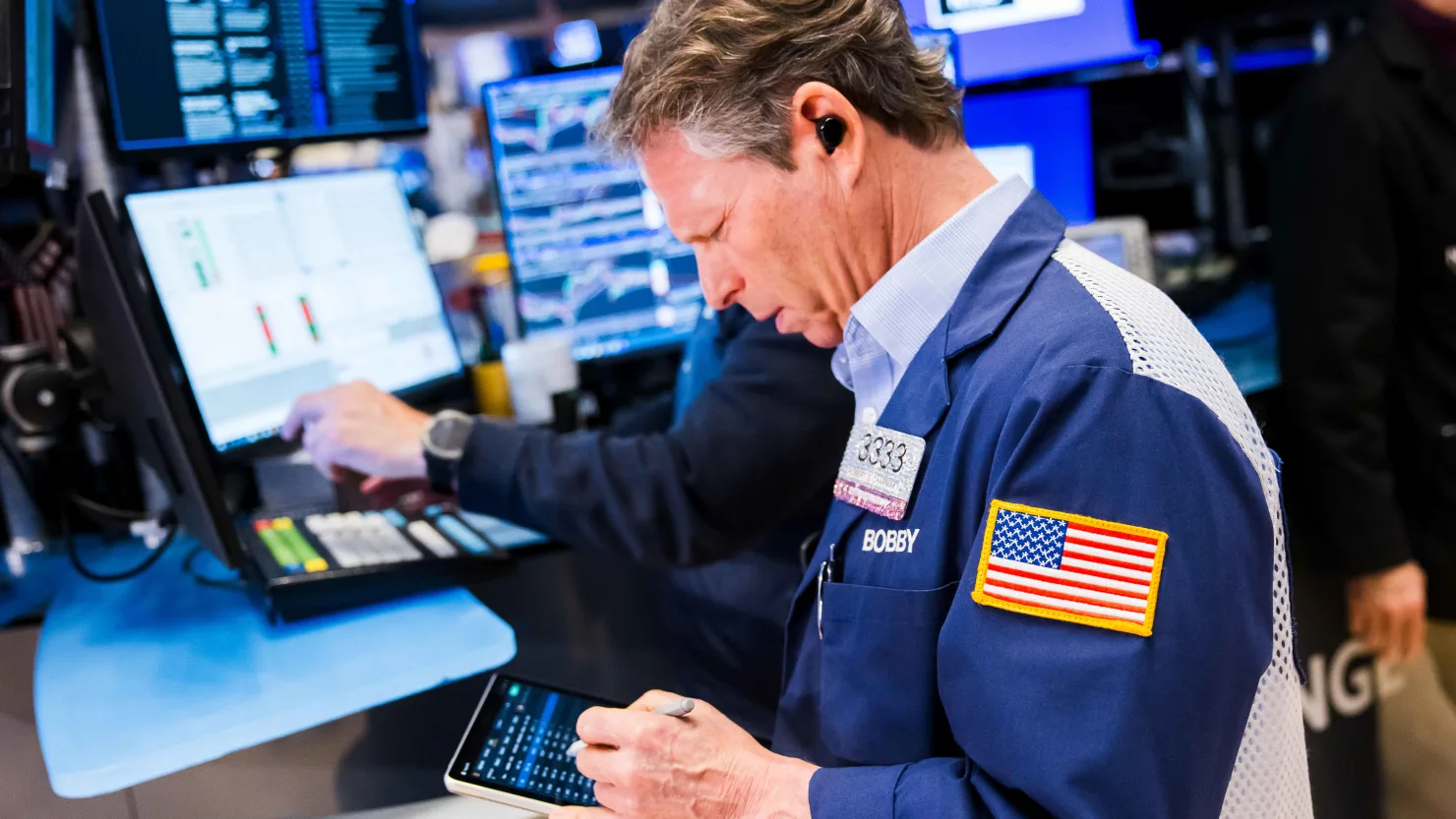
That combination is a big part of the IPO appeal. Investors aren’t just buying into space travel; they’re buying into the AI boom as well. And right now, Wall Street has a massive appetite for anything tied to artificial intelligence.
Look at the leaderboard. Nvidia sits at the top, followed by tech giants like Apple, Microsoft, Alphabet, Amazon, and Meta – all riding the AI wave. SpaceX, with its satellite networks and potential space-based computing infrastructure, fits neatly into that narrative, even if its business model looks very different on the surface.
There’s risk, though. Plenty of it.
SpaceX’s next-generation rocket, Starship, is still in development and has had a rocky testing phase, with multiple high-profile explosions. The timeline for making it fully operational remains uncertain, and delays could weigh on investor sentiment once the company goes public.
The AI side of the business comes with its own challenges. Building and running large-scale AI systems is expensive – painfully so. Data centers, whether on Earth or in orbit, require enormous upfront investment, and profitability can take time.
That’s where the IPO comes in. This isn’t just about prestige or liquidity. It’s about funding two capital-intensive operations at once.
There’s also a familiar comparison looming in the background: Tesla.
Musk’s electric vehicle company went public in 2010 and has since delivered massive returns for investors, even as it navigated production issues, leadership controversies, and slowing revenue growth in recent years. The stock is still up more than 70% over the past five years, a track record that gives Musk credibility heading into another public offering.
But Tesla’s path hasn’t been smooth. Revenue growth has flattened, and the company has faced headwinds tied in part to Musk’s political involvement, including his role in the Trump administration’s cost-cutting initiatives.
That history could serve as both a blueprint and a warning for SpaceX.
Some analysts are already thinking several steps ahead. Dan Ives of Wedbush believes Musk may eventually try to bring Tesla and SpaceX under the same umbrella, potentially as early as 2027. The idea would be to create a vertically integrated ecosystem spanning electric vehicles, AI, and space infrastructure – a kind of end-to-end tech platform.
“Musk wants to own and control more of the AI ecosystem,” Ives said, pointing to the possibility of combining the two companies to strengthen their position in what he calls the race for AI dominance.
That vision is ambitious, even by Musk’s standards. It also depends on SpaceX successfully making the leap to public markets.
For now, the process is still in its early stages. The confidential filing means investors won’t get a full look at SpaceX’s financials until later, when the company submits its public registration. That’s when the real scrutiny begins – revenue, margins, risks, all laid out in black and white.
Until then, the story is being shaped by expectations.
A record-breaking IPO. A trillion-dollar valuation. A company straddling two of the most capital-hungry industries on the planet.
And at the center of it all, Elon Musk – once again asking investors to buy into a future that doesn’t fully exist yet, but might be too big to ignore.



The latest news in your social feeds
Subscribe to our social media platforms to stay tuned