




Axios, CNN, Bloomberg, Reuters, and Market Watch contributed to this report.
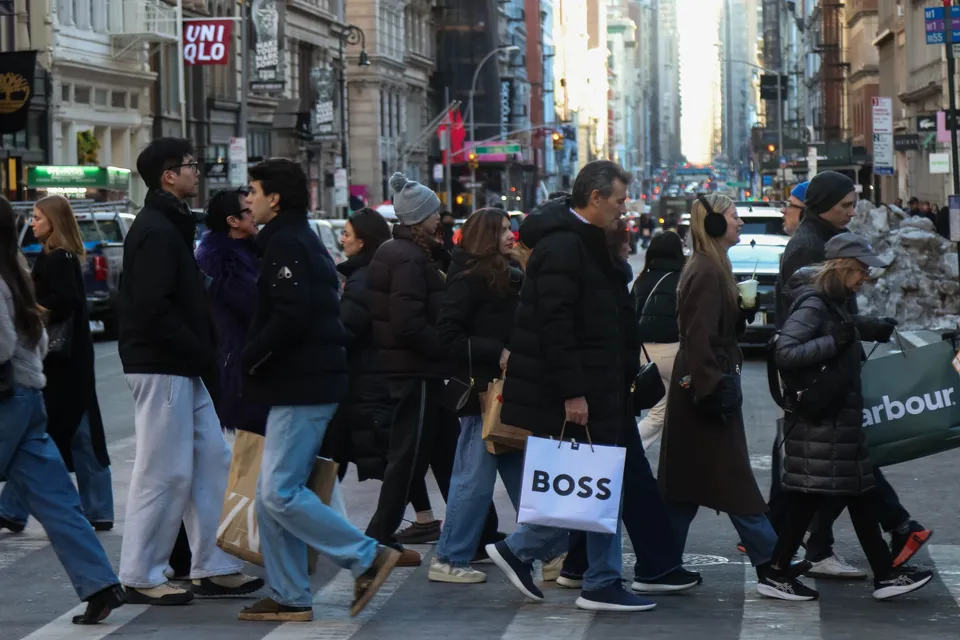
American consumers aren’t done spending just yet.
Retail sales in the US rose 0.6% in February, according to the Commerce Department, snapping a three-month losing streak and beating expectations. Economists had been looking for something closer to a 0.4% bump.
It’s not a blowout number. But it’s enough to show shoppers still have some fight in them – even with shaky job growth and souring sentiment hanging in the background.
The gains were pretty broad. Department stores led the charge with a 3% jump, while personal care shops and clothing retailers also saw solid increases. Only a couple of categories slipped: grocery stores and furniture sellers both dipped about 1%.
Strip out the noisier categories like gas and cars, and the so-called “control group” – a key gauge for underlying demand – rose 0.45%. That’s stronger than expected and a good sign for overall economic momentum.
Why this matters: consumer spending drives roughly two-thirds of the US economy. As long as people keep opening their wallets, the economy keeps moving.
And so far, they are.
Even with hiring cooling off, layoffs haven’t spiked. Weekly jobless claims are still relatively low. Paychecks are growing, too, which is quietly doing a lot of the heavy lifting. That steady income flow is helping offset all the noise – weak confidence, gloomy headlines, and market jitters.
But here’s the catch. This data is already a bit dated.
February’s numbers landed before the latest escalation in the Middle East, including the ongoing Iran war 2026. Since then, energy markets have been rattled, with the Strait of Hormuz effectively shut for weeks – a major disruption given how much of the world’s oil flows through it.
Oil prices have climbed. Gas in the US has crossed $4 a gallon again. That kind of spike doesn’t stay contained – it seeps into everything from groceries to manufacturing costs.
Economists are watching closely. The concern isn’t just inflation ticking higher; it’s what happens to spending when higher fuel costs start eating into household budgets.
There are already signs of strain. Consumer sentiment has dropped sharply in recent surveys, hitting its lowest level in months. People are getting nervous, even if they haven’t fully pulled back yet.
That tension – strong spending versus rising anxiety – is where things get interesting.
For now, the consumer looks resilient. Not booming, not collapsing. Just… holding up.
The next few months will be the real test.



The latest news in your social feeds
Subscribe to our social media platforms to stay tuned