

Trump address offers no new plan on Iran war
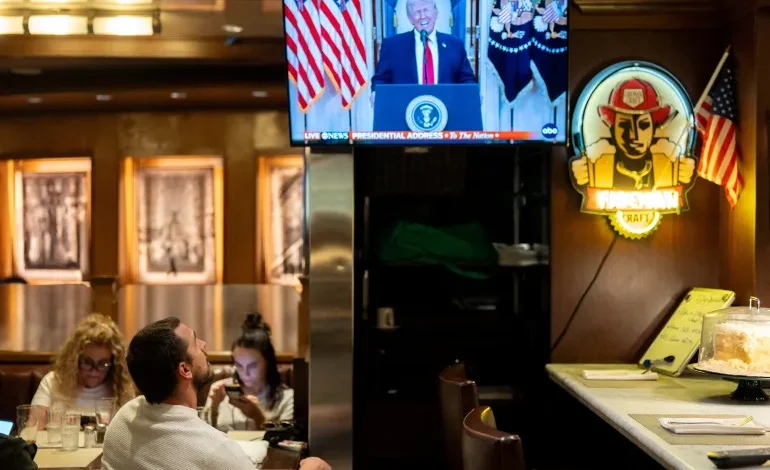

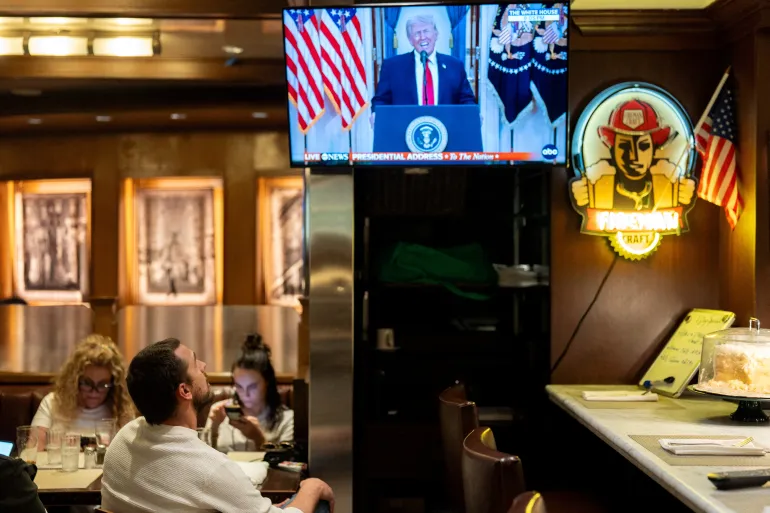
Donald Trump’s much-anticipated address on the war with Iran ended up delivering little beyond familiar messaging, reinforcing a strategy that remains unclear even as the conflict deepens.
The speech, which lasted under 20 minutes, had been expected to outline either a path to de-escalation or a potential escalation. Instead, Trump repeated the same core points he has made for weeks: the war is necessary, progress has been made, operations will continue, and an end is near.
“We are gonna finish the job. We are getting very close,” Trump said.
What was missing was any detail on how that outcome would be achieved or what conditions would define the end of the conflict.
The address appeared aimed less at outlining policy and more at persuading a domestic audience that remains sceptical of another prolonged conflict. Public fatigue with foreign wars — shaped by experiences in Iraq and Afghanistan — continues to weigh on support for the campaign.
Trump reiterated that Iran posed a nuclear threat, framing the war as a necessary preemptive move. At the same time, that argument sits alongside earlier claims from his administration that Iran’s nuclear capabilities had already been significantly degraded.
He also framed the conflict as part of a longer historical confrontation, citing decades of hostility between Iran and the United States.
“This fanatical regime has been chanting, ‘Death to America. Death to Israel’ for 47 years. Their proxies were behind the murder of 241 Americans in the Marine barracks bombing in Beirut, the slaughter of hundreds of our service members with roadside bombs,” Trump said.
“They were involved in the attack on the USS Cole, and they carried out the countless other heinous acts, including the just horrible, bloody atrocities of October 7 in Israel.”
At the same time, some of those claims remain disputed or lack direct evidence linking Iran to specific incidents.
The broader challenge for the administration is political as much as strategic. Polling suggests a majority of Americans oppose the war, and analysts note that support is softening even within Trump’s Republican base.

The latest news in your social feeds
Subscribe to our social media platforms to stay tuned