





ABC News, CNBC, and Bloomberg contributed to this report.
Amazon is passing some of its rising costs down the chain.
The company plans to roll out a 3.5% fuel and logistics surcharge for third-party sellers later this month, as oil prices climb alongside the ongoing war in Iran. The fee kicks in April 17 for sellers in the US and Canada who rely on Amazon’s fulfillment network.
Behind the move: fuel isn’t cheap right now. Shipping isn’t either. And after weeks of absorbing the hit, Amazon is starting to push some of that pressure onto merchants.
“Elevated costs in fuel and logistics have increased the cost of operating across the industry,” the company said, framing the charge as a temporary fix rather than a permanent hike.
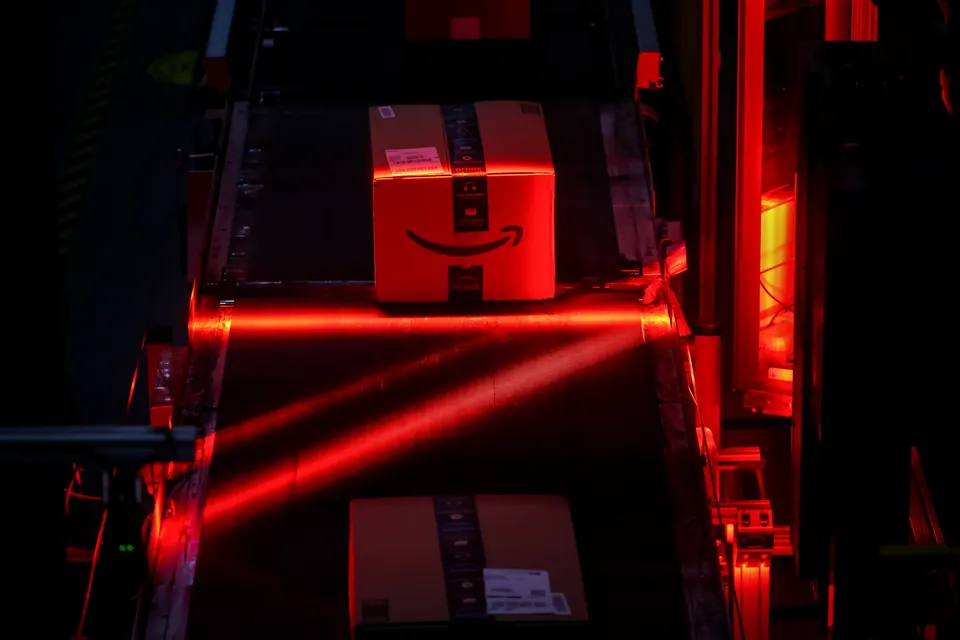
The fee applies to sellers using Fulfillment by Amazon – the company’s backbone service that handles packing, shipping, and delivery. For many, that’s the default way to do business on the platform. On average, the surcharge works out to roughly 17 cents per item, though that varies depending on size and weight.
More sellers will feel it soon. Starting May 2, the surcharge expands to those using Buy with Prime and Multi-Channel Fulfillment, widening its reach across Amazon’s ecosystem.
Amazon isn’t acting alone. United Parcel Service and FedEx have already raised their own fuel surcharges. The United States Postal Service is going even further, planning an 8% fuel surcharge later this month that could stick around into 2027.
Blame the broader market. Oil prices have jumped as traders watch the Middle East closely, especially shipping routes like the Strait of Hormuz. The longer the conflict drags on, the more pressure builds on global logistics – and companies across the supply chain are reacting in real time.
Amazon says its fee is still lower than what major carriers are charging. That may be true, but for sellers already juggling thin margins, even a small percentage bump can sting.
For now, the company is sticking with the word “temporary.” How long it lasts will likely depend on something Amazon can’t control: where oil prices go next.



The latest news in your social feeds
Subscribe to our social media platforms to stay tuned