

Armenia’s Gas Warning to Moscow. A Signal of Brake or a Bluff?
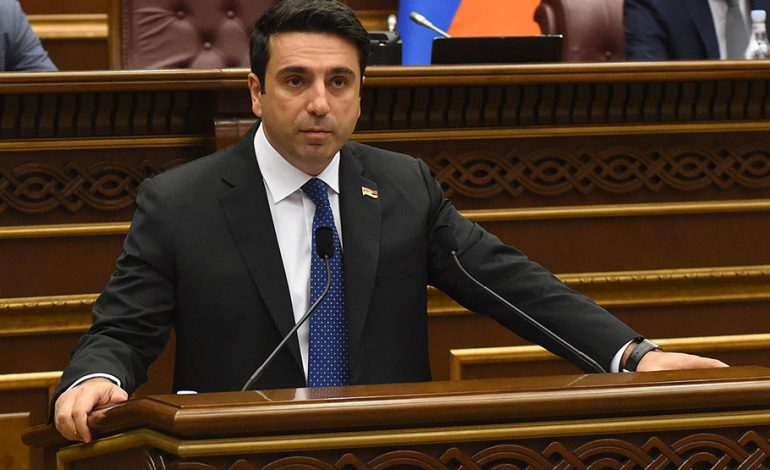

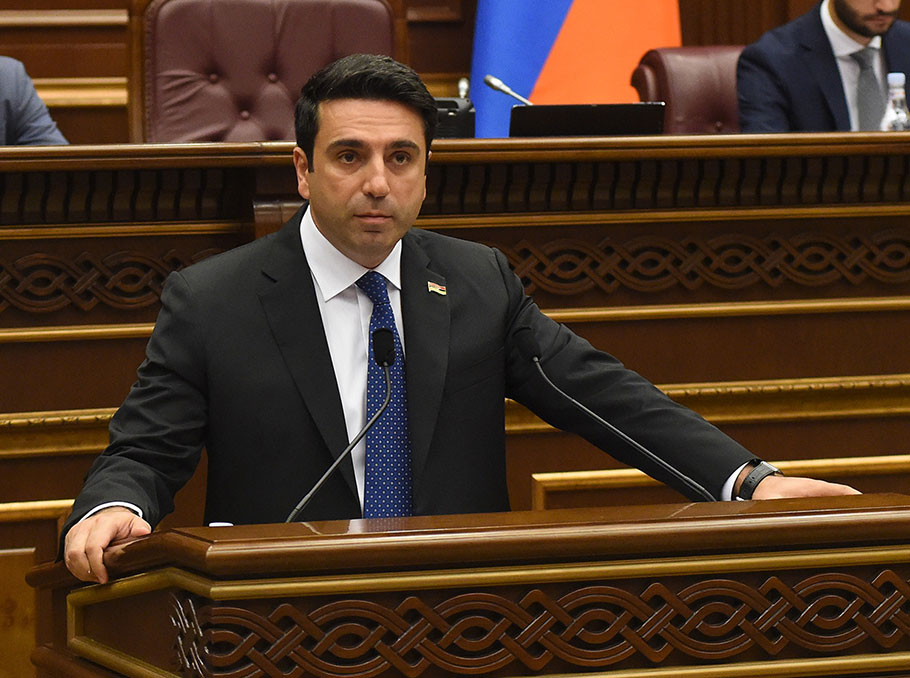
Armenia is once again trying to walk a very narrow line. Parliament Speaker Alen Simonyan said Yerevan could permanently leave both the CSTO and the EAEU if Russia raises the price of gas supplied to Armenia, adding that he does not expect things to go that far after what he called a “very good, productive, and constructive” conversation between the two leaders.
Prime Minister Nikol Pashinyan had met Vladimir Putin in Moscow on April 1, and Putin used the occasion to remind Armenia that, in Moscow’s view, EU ambitions and EAEU membership do not comfortably coexist.
This is the real trap for Yerevan. Politically, Armenia wants more room to maneuver after the Karabakh war. Economically, though, Russia still matters too much to treat as just another partner. Even the EU is stepping into that space more visibly now. European Parliament member François-Xavier Bellamy said Europe has made a concrete commitment to Armenia’s security through the border monitoring mission and argued that trade and scientific cooperation should deepen further. That is encouraging for Yerevan, but it is not the same thing as replacing Russia overnight.
The trade numbers make the dilemma obvious. Russian Deputy Prime Minister Alexei Overchuk said that in 2015, when Armenia joined the EAEU, Armenian exports to the EU were 1.2 times higher than exports to the EAEU, but over the next decade exports to the EU rose only 1.53 times, to the US 2.2 times, and to the EAEU 12.5 times. Meanwhile, the Russian gas price for Armenia is almost 4 times smaller than for EU members – $177.5 compared to $600 per 1,000 cubic meters.
The more immediate risk is simpler and harsher: retaliation through trade rules. Russia has already introduced “stricter requirements” for Armenian goods after the tense Pashinyan-Putin talks, with Russian officials complaining about the origin and traceability of products entering the market. At the same time, EU food-safety laws are much stricter than the ones in Russia. That matters because Moscow is still a huge outlet for Armenian farm goods. Putin himself said $1.2 billion of Russia-Armenia trade is agricultural products such as vegetables, fruits, and wine. With the loss of the Russian market, Armenia’s food sector could take a real hit.
That is why Simonyan’s threat reads like a pressure tactic. Armenia is telling Moscow that energy pricing is not a one-way street. If Russia tries to squeeze Yerevan on gas, Yerevan says it can respond by walking away from the very blocs that tie the two economies and security systems together. Still, the costs are real. Leaving the CSTO and EAEU would reshape trade rules, market access, and the politics of supply.
Whether that is a bluff, a bargaining chip, or the start of a genuine rupture will depend on what Moscow does next – and how much pain Armenia is willing to absorb if the answer is not to its liking.


The latest news in your social feeds
Subscribe to our social media platforms to stay tuned