


The New York Times, BBC, Axios, Bloomberg, Business Insider contributed to this report.
Oil traders barely had time to react before the mood flipped.
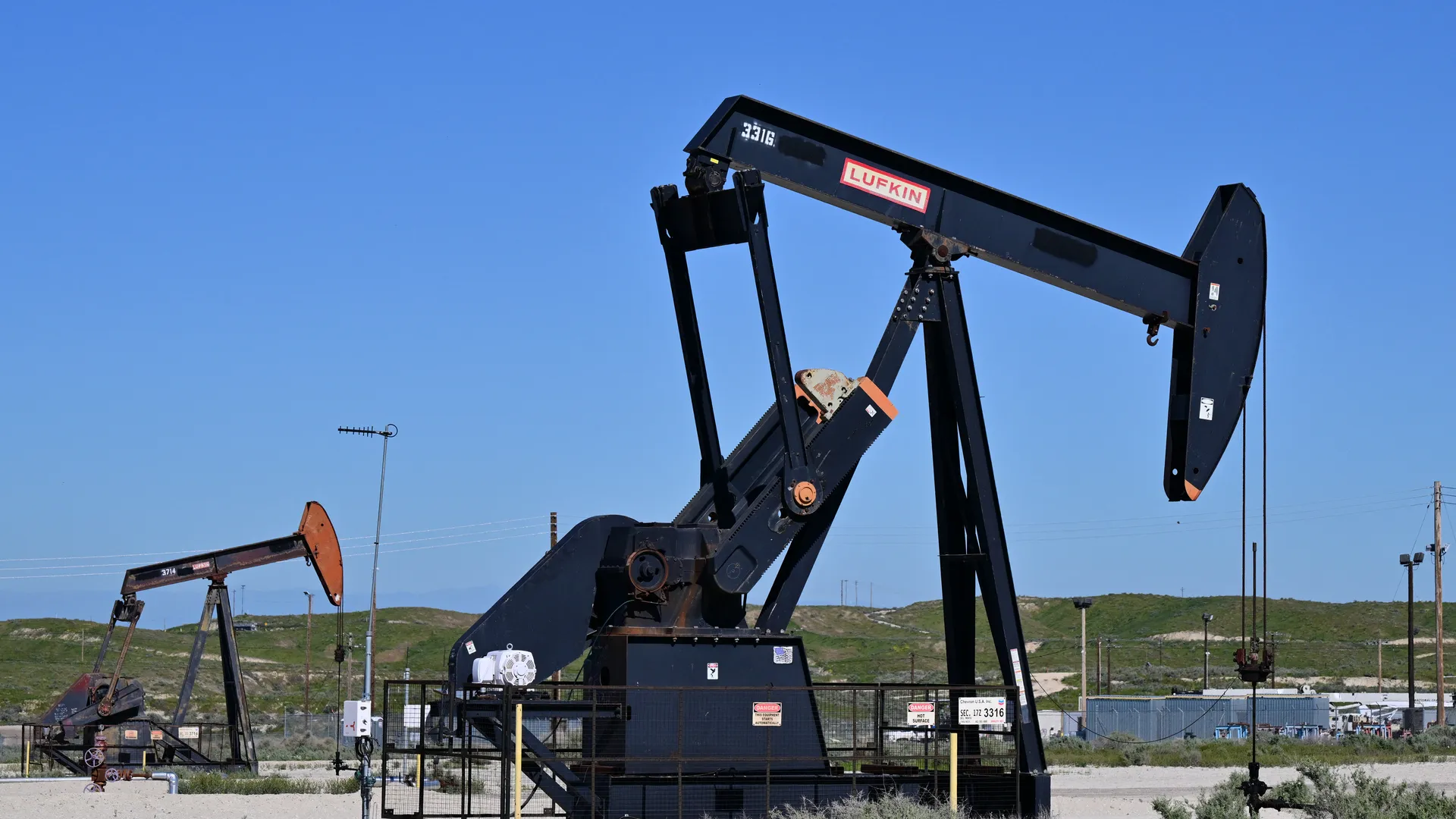
Prices shot up early Monday after Donald Trump threatened to strike Iran’s infrastructure if ships aren’t allowed back through the Strait of Hormuz. Then, just as quickly, they cooled off when reports surfaced of behind-the-scenes ceasefire talks.
That’s the rhythm right now – headline to headline, swing to swing.
Brent crude briefly climbed past $110 a barrel before slipping back toward the $107 range. The drop came after news that the US, Iran and regional players might be hashing out a 45-day ceasefire, a possible first step toward something more permanent. Nothing is locked in. A White House source described it as one idea among many, while confirming military operations are still ongoing.
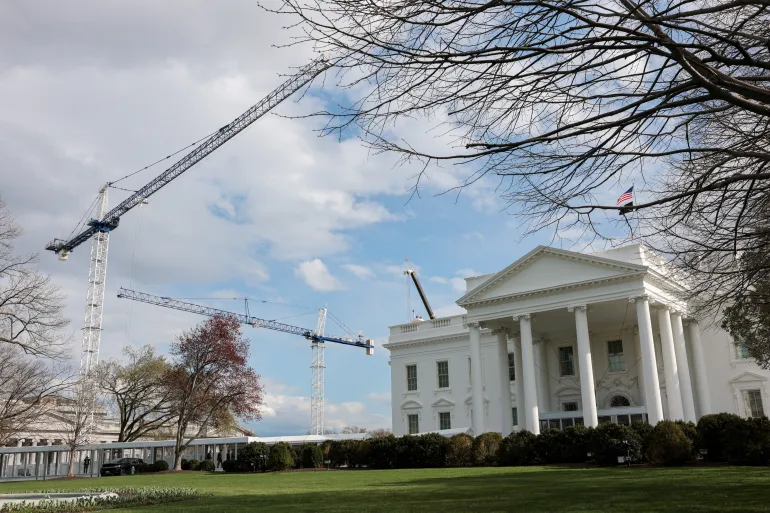
Trump, for his part, isn’t dialing anything down. In a blunt social media post, he warned Iran to reopen the Strait by Tuesday or face strikes on power plants and bridges. Hours later, he doubled down in interviews, saying a deal is possible – but so is a far more aggressive option.
Markets are trying to price both paths at once.
The Strait of Hormuz sits at the center of it all. Roughly a fifth of the world’s oil passes through that narrow stretch of water, and Iran has effectively choked it off in response to US and Israeli airstrikes that began in late February. Tanker traffic has thinned. Insurance costs have spiked. Energy markets are on edge.
The disruption is already showing up far beyond oil charts. Gas prices in the US have pushed past $4 a gallon. Shipping costs are rising. Inflation fears are creeping back into the conversation.
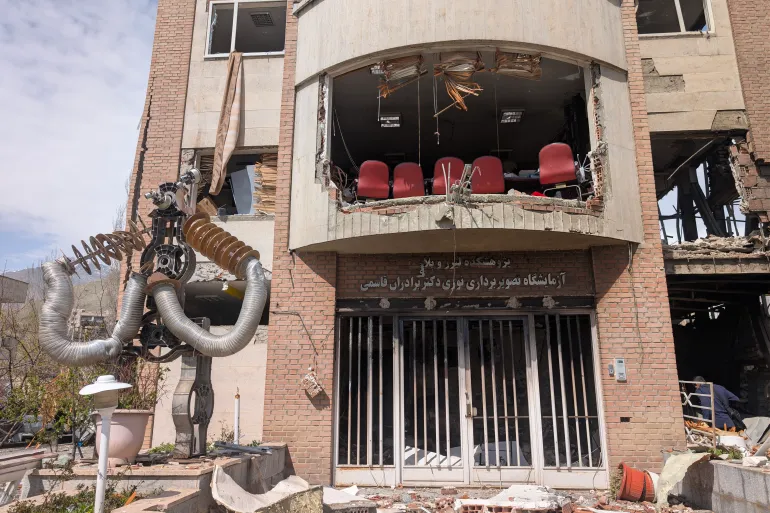
And the conflict itself isn’t cooling. Over the weekend, Iran claimed responsibility for attacks on energy facilities across the Gulf, including sites in Kuwait, Bahrain and the UAE. Its Revolutionary Guard warned more strikes could follow if US actions continue. Iranian officials have also fired back at Trump’s threats, dismissing them as erratic and warning of severe retaliation.
Even efforts to boost supply are struggling to move the needle. OPEC+ agreed to increase production slightly in May, but much of that extra oil may never reach the market if the strait stays restricted.
So traders are left watching two storylines unfold at once: escalation and diplomacy.
“Prices are going to swing with every update,” one analyst noted, and that feels about right.
A single headline can move billions.
For now, oil is stuck in that tension – pulled higher by supply fears, then dragged lower by any hint of a deal. The bigger question is how long the market can keep bouncing between those two realities before one finally wins out.



The latest news in your social feeds
Subscribe to our social media platforms to stay tuned