


Strikes hit Tehran universities as war expands beyond military targets
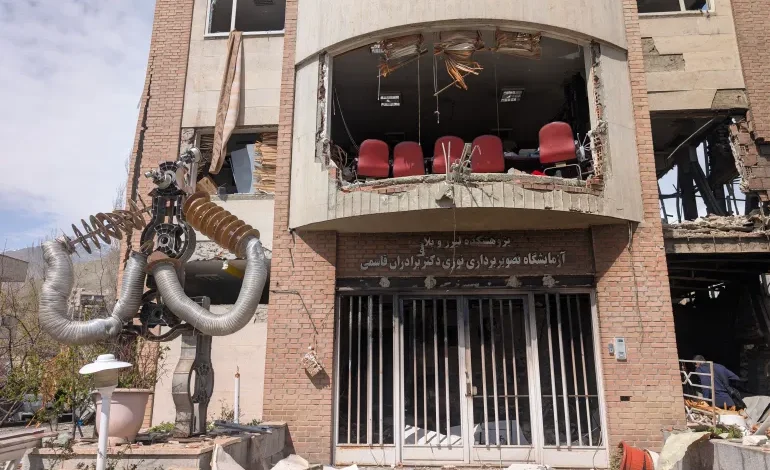

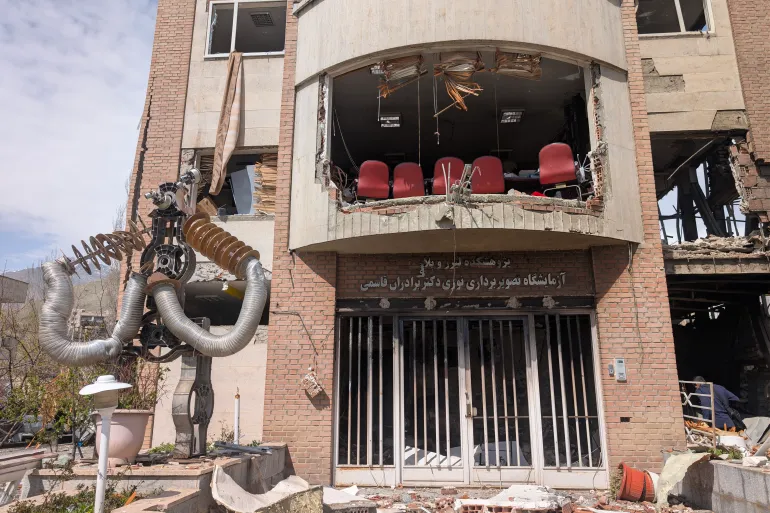
A strike on a research centre at Shahid Beheshti University in Tehran is the latest sign that the war on Iran is increasingly reaching into civilian and scientific spaces.
The Laser and Plasma Research Institute, located within the university campus in northern Tehran, was heavily damaged in a bombing on Friday. No casualties were reported, largely because universities across the country had already shifted to online classes, leaving campuses mostly empty. Nearby dormitories sustained minor damage.
The attack fits into a broader pattern. Iranian officials say that since the war began on February 28, dozens of academic institutions have been affected by US and Israeli strikes. The targets include research facilities tied to advanced science and technology, though the rationale for individual strikes has not always been publicly explained.
One possible link in this case is personnel. The site housed a magneto-photonics lab led by Mohammad Mehdi Tehranchi, a senior physicist who was killed earlier in the conflict. His assassination had already highlighted how scientific figures have become part of the war’s wider target set.
The university framed the strike in broader terms, warning about its implications for academic life.
“This hostile act not only targets the security of academics and the country’s scientific environment, but is also a clear attack on reason, research, and freedom of thought,” it said in a statement.
Iran’s science minister, Hossein Simaei Saraf, placed the incident within a longer trajectory, arguing that scientists and research centres have faced sustained pressure over time. Speaking at the site, he said at least 30 universities have been affected so far.
“Attacking universities and research centres means returning to the Stone Age,” he said, echoing language used earlier in the conflict.
Other institutions have also been hit. Tehran’s Science and Technology University saw parts of its research infrastructure destroyed in a recent strike, while the Pasteur Institute — a long-standing centre for vaccine production and infectious disease research — was also targeted.
Taken together, the strikes point to a shift in the war’s scope. What began with military and strategic infrastructure is increasingly intersecting with scientific and civilian domains, blurring the line between defence targets and knowledge infrastructure.


The latest news in your social feeds
Subscribe to our social media platforms to stay tuned