



EXCLUSIVE: US security ties, shrinking space: Ecuador in focus


The latest phase of US engagement in Latin America is increasingly defined by security cooperation, and the political trade-offs that come with it. Nowhere is that tension more visible than in Ecuador, where closer ties with Washington are unfolding alongside mounting concerns over democratic backsliding and civil liberties.
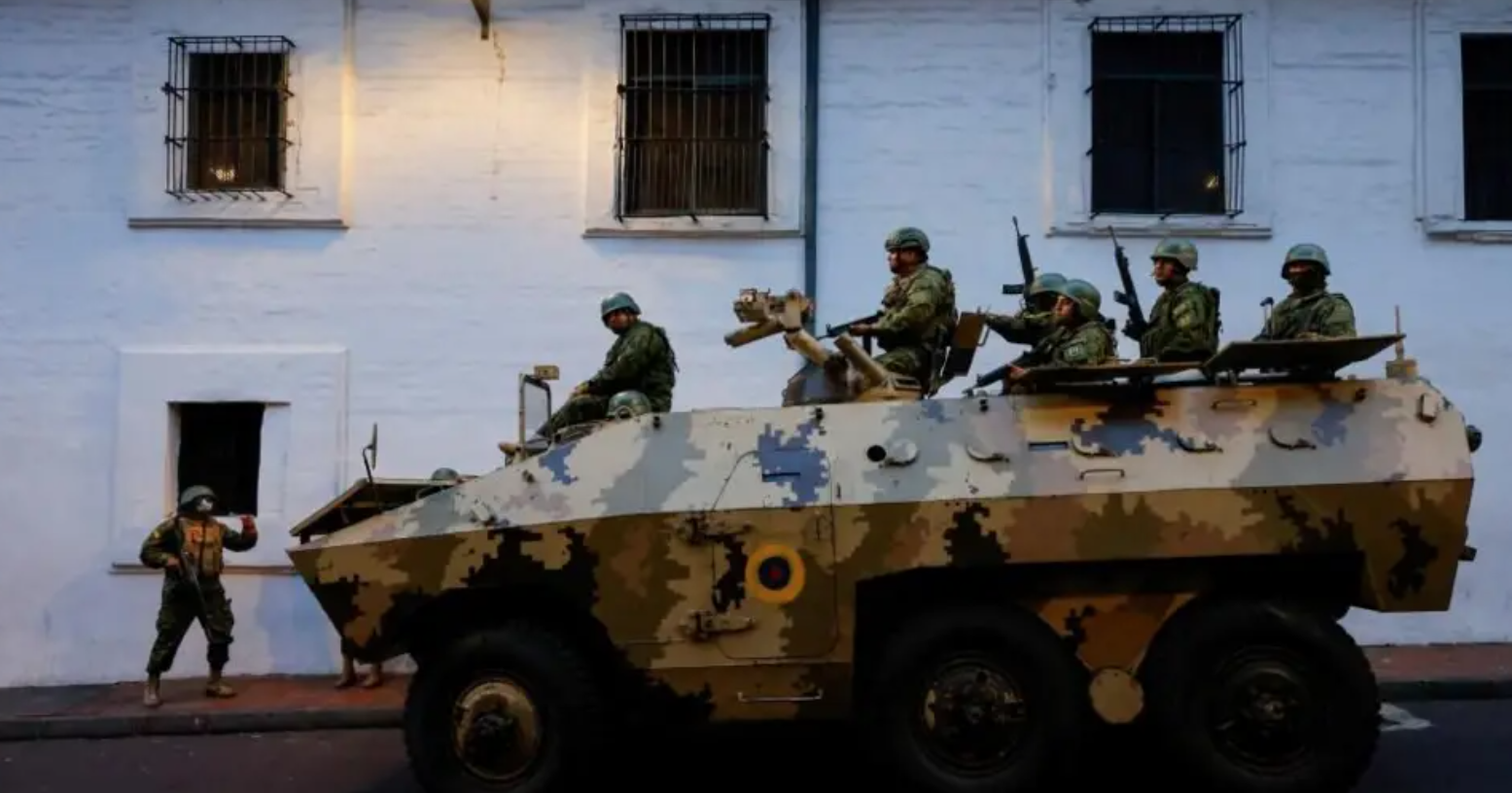
The backdrop is hard to ignore. Ecuador has moved deeper into a security-first model under President Daniel Noboa, expanding emergency powers, increasing military deployment and pursuing joint operations with the United States. At the same time, the political environment has tightened, with opposition forces facing legal and institutional pressure, including the recent suspension of the country’s largest opposition party during a key electoral window.
Against that context, Pedro Labayen Herrera, Research Associate at the Center for Economic and Policy Research, told the Wyoming Star that US involvement is not just a parallel development, it is shaping how those internal dynamics are perceived and reinforced.
“Expanded cooperation between the United States and Ecuador demonstrates that Washington is willing to overlook President Noboa’s democratic backsliding, the closing of civic space, and widespread allegations of human rights abuses by Ecuadorian security forces. Within Ecuador, closer ties with Washington are widely interpreted as the US’s approval of these troubling developments.
The recently announced plans to open an FBI office in Quito further raise concerns that US law enforcement could become entangled in the targeting of Noboa’s political opponents and perceived enemies under the guise of combating crime, just as joint military operations risk implicating the US in potential human rights abuses. Taken together, these dynamics risk emboldening Noboa to further consolidate power at the expense of the rights and interests of most citizens, while benefiting a narrow elite and foreign investors.”
The argument here is less about individual decisions and more about signaling. When a government facing accusations of repression deepens its security partnership with Washington, that relationship can be read domestically as political backing, regardless of whether that is explicitly stated. In Ecuador’s case, that perception is reinforced by concrete steps, from joint military activity to plans for a US law enforcement presence on the ground.
This dynamic is not limited to Ecuador. It fits into a broader pattern of US policy in the region, where security concerns — from drug trafficking to geopolitical competition — increasingly frame engagement. Herrera suggests that this approach carries familiar risks, especially when paired with political alignment.
“The Trump administration’s actions and rhetoric make clear that it will seek to expand US influence and control in the region, without ruling out the use of military force to achieve its aims. We can expect continued US interference in elections and efforts to undermine progressive governments — or those that don’t follow Washington’s line — likely framed in terms of security concerns and competition with China.
However, history shows that US interventionism, both in the region and elsewhere, yields only instability rather than order, while empowering governments that advance US interests at the expense of sovereignty, national interests, and broader social outcomes, contributing to inequality, poverty, and hardship.”
What emerges from both cases, Ecuador and beyond, is a policy trajectory that prioritises control and alignment over institutional balance. Security cooperation becomes the entry point, but its effects spill into governance, political competition and the boundaries of acceptable dissent.


The latest news in your social feeds
Subscribe to our social media platforms to stay tuned