




With input from NPR.
War usually shows up in obvious places – fuel prices, stock markets, headlines about oil. But this one is leaking into everyday life in ways that feel almost random.
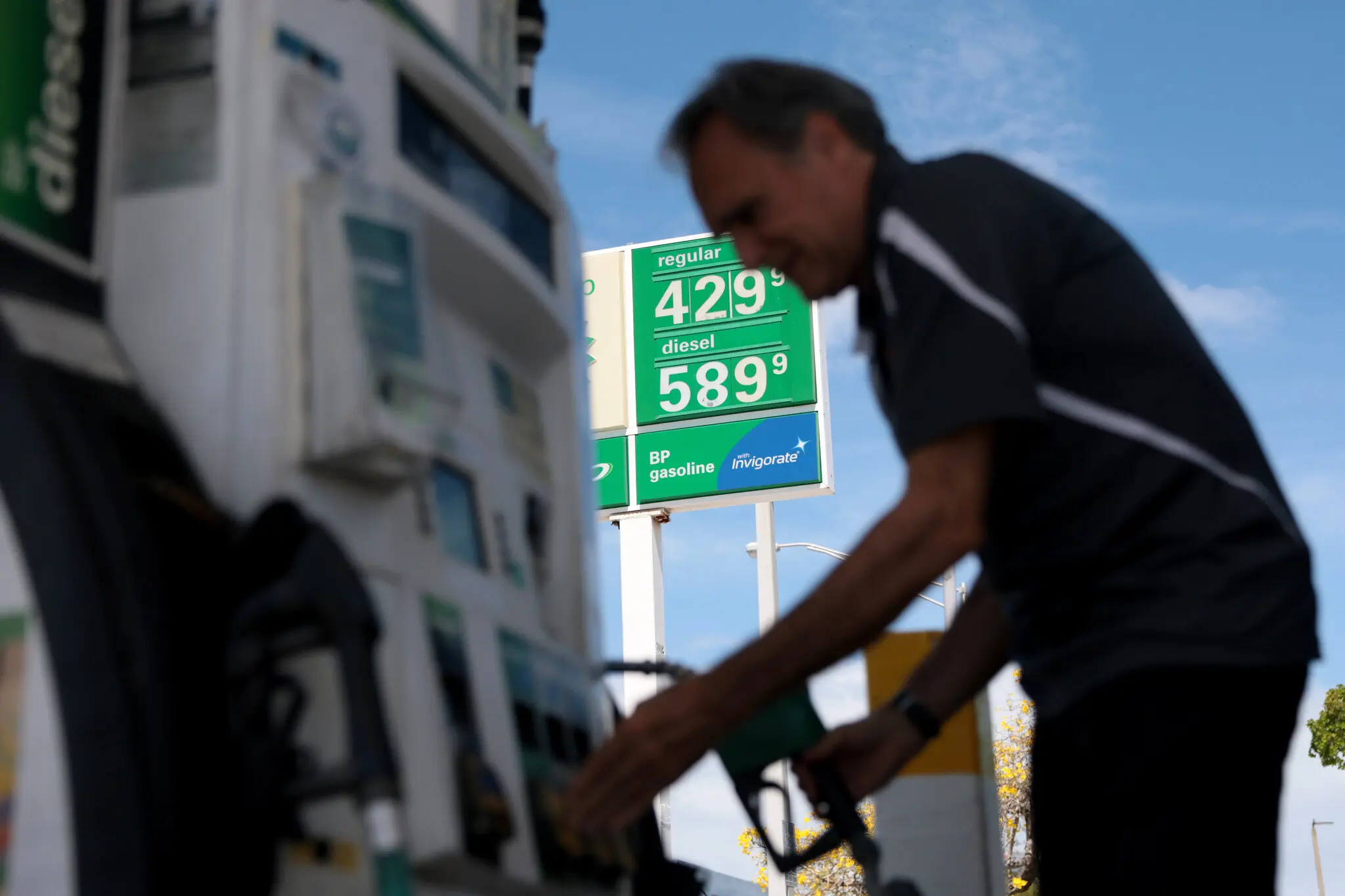
Start with the basics. Oil and gas supplies have taken a hit, prices have surged, and drivers are already paying for it at the pump. That part was expected. What’s catching people off guard is everything else now getting dragged into the mess.
Take aluminum. Prices just hit a four-year high after key smelters in the Middle East were knocked offline. That matters more than it sounds. Aluminum is everywhere – beer cans, soda cans, food packaging, car parts. Suddenly, cracking open a cold drink could come with a slightly higher price tag.
Then there’s helium. Not exactly top of mind until it disappears.
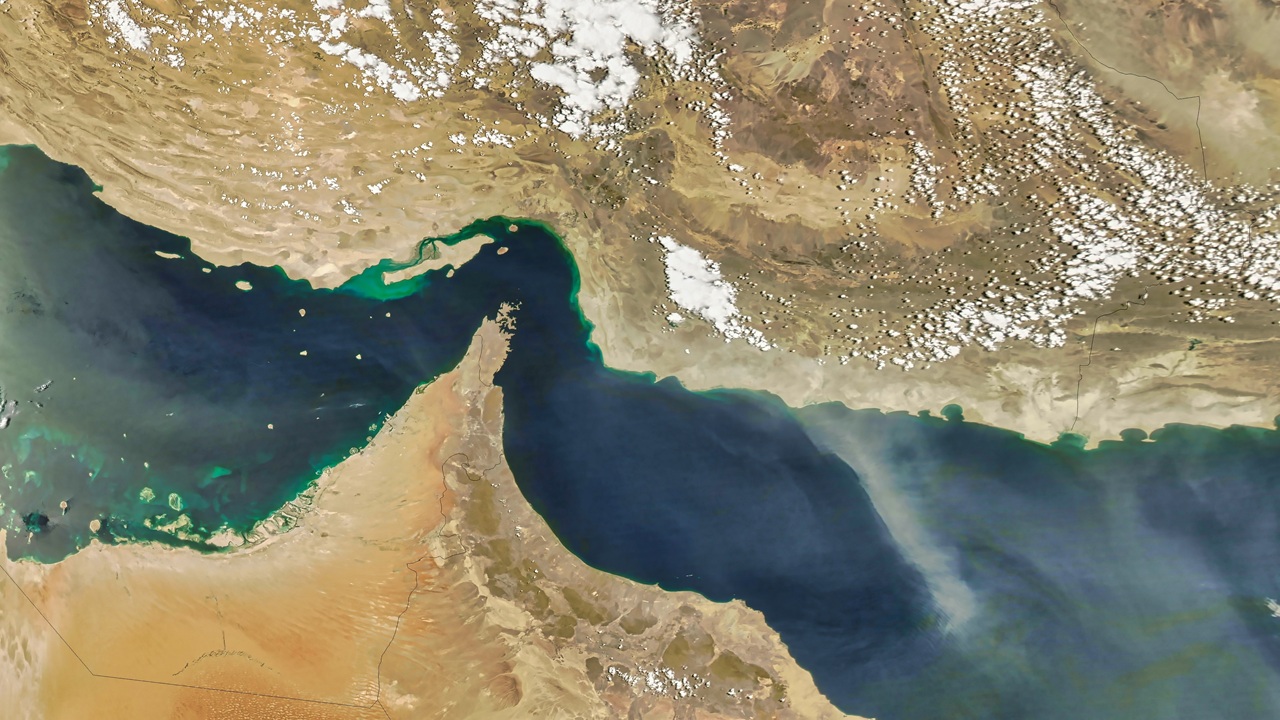
Qatar, which produces about a third of the world’s supply, has halted shipments because of the Strait of Hormuz blockade. The impact is already showing up in places like South Korea and Taiwan. Balloons might be the obvious casualty, but the real concern runs deeper – helium is used in MRI machines, rocket systems, and semiconductor manufacturing. If prices spike hard enough, chip production could start to feel it.
Energy shortages are reshaping daily habits, too. In South Korea, people are being told to take shorter showers. In the Philippines, officials are ditching elevators for stairs. In India, some restaurants have quietly dropped dishes like butter chicken – not because of demand, but because they can’t afford the gas needed to cook them.
Food production is next in line.
Fertilizer shipments are tangled up in the same chokepoint in the Gulf, and natural gas shortages have forced plants in parts of South Asia to shut down. Prices are already up about 25%. Farmers are adjusting on the fly. In Pennsylvania, one farmer says his fertilizer costs jumped from $500 to $850 per ton, forcing him to scale back planting. Multiply that across regions, and you start to see the outlines of a global supply squeeze.
The effects won’t hit overnight. But fewer crops planted now means tighter food supply later.
Even the housing market isn’t escaping.
Mortgage rates, which had briefly dipped below 6%, have climbed back toward 6.5% as the war rattles bond markets. Borrowing just got more expensive again. For anyone thinking about buying a home, timing suddenly looks worse.
And then there are the materials nobody talks about – until they get expensive.
Sulfur, for example. It’s a byproduct of oil refining and a key ingredient in batteries and industrial processes. Disruptions in shipping routes are pushing prices up, and unlike oil, there’s no easy workaround to reroute supply. The same goes for petrochemicals. Plastics, which depend on oil, are getting pricier, and supply chains feeding factories in Asia are starting to strain.
That trickles down fast. Higher input costs, tighter supply, delayed production. Everyday goods don’t stay cheap for long under those conditions.
In some places, the pressure is already visible. Restaurants in India are shutting their doors or hiking prices. Households are stockpiling gas canisters. Governments are asking citizens to cut back wherever they can.
What makes this moment different is how scattered the impact feels. It’s not one sector taking the hit – it’s dozens, all at once, often in ways that don’t seem connected until you trace them back to the same source.
A blocked shipping route. A disrupted supply chain. A war that started with oil and is now quietly reshaping everything around it.



The latest news in your social feeds
Subscribe to our social media platforms to stay tuned