



Iran eases pressure on Hormuz, but keeps control
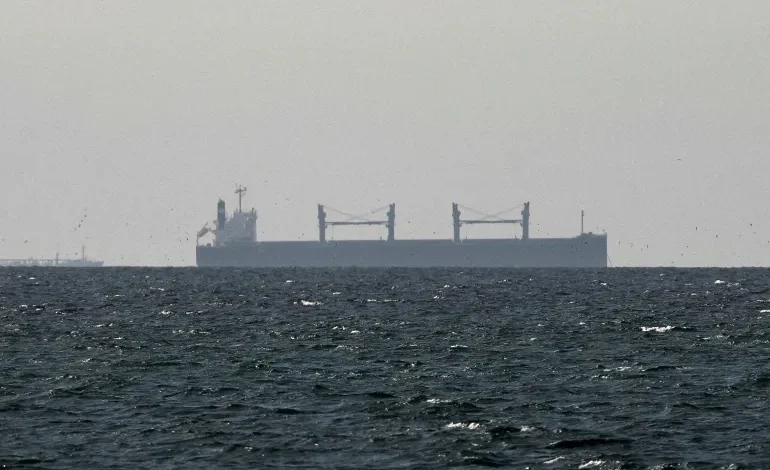

Iran has partially relaxed its grip on the Strait of Hormuz, allowing Iraqi ships to pass freely while maintaining restrictions for what it calls “enemy countries”, signalling a calibrated rather than full de-escalation.
The move reflects both political messaging and economic pragmatism. Tehran framed the exemption as respect for Iraq’s sovereignty, while also praising its history of resistance to the United States. At the same time, it keeps leverage over one of the world’s most critical energy chokepoints firmly in place.
The announcement comes against a backdrop of escalating rhetoric. US President Donald Trump has demanded Iran either strike a deal or relinquish control of the strait, warning that “all hell” would follow within 48 hours. Tehran’s military command dismissed the threat, calling it a “helpless, nervous, unbalanced and stupid action”.
Despite the limited easing, the broader picture remains tense. Iran has effectively restricted traffic through the strait since the war began on February 28, disrupting a route that normally carries about 20 percent of global oil and liquefied natural gas. Shipping volumes, while slightly recovering, are still down more than 90 percent from normal levels.
Recent data shows a modest uptick: 53 vessels transited the strait last week, compared to 36 the week before. Still, that recovery is fragile and far from restoring normal flows. The passage of a French container ship and a Japanese-owned tanker marked rare movements tied to major economies since the conflict began.
The impact on global markets has been immediate. Energy prices have surged, with Brent crude holding above $109 per barrel, and governments scrambling to introduce conservation measures. For Iraq, the stakes are particularly high. Its oil production has dropped sharply, from 4.3 million barrels per day to 1.2 million, as exports through the strait stalled.


The latest news in your social feeds
Subscribe to our social media platforms to stay tuned