



Ochamchire – a Route to Tie Armenia, Abkhazia, Georgia, and Russia

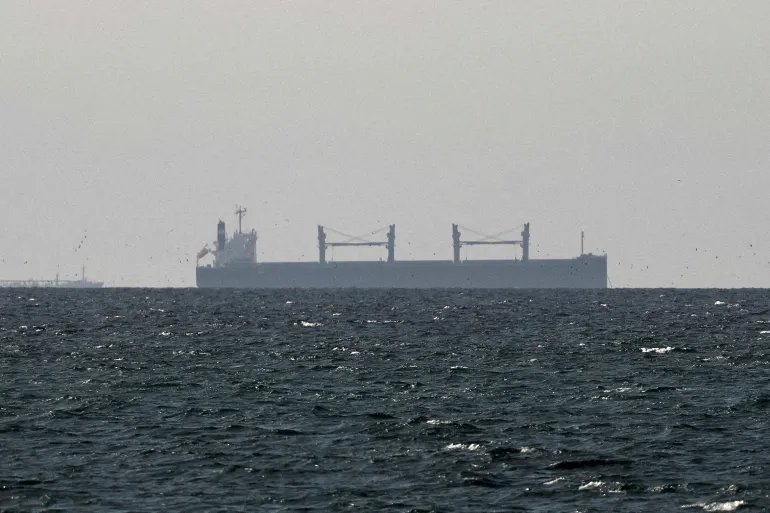
A small Black Sea terminal in Ochamchire is starting to look like something bigger than a local infrastructure fix. On paper, it is a container terminal. In practice, it could become a geopolitical hinge: a Russia-linked corridor that ties southern Russia to Abkhazia and, if the political and technical pieces fall into place, onward toward Georgia and Armenia. Russian officials are talking openly about restoring rail sections across the Caucasus.
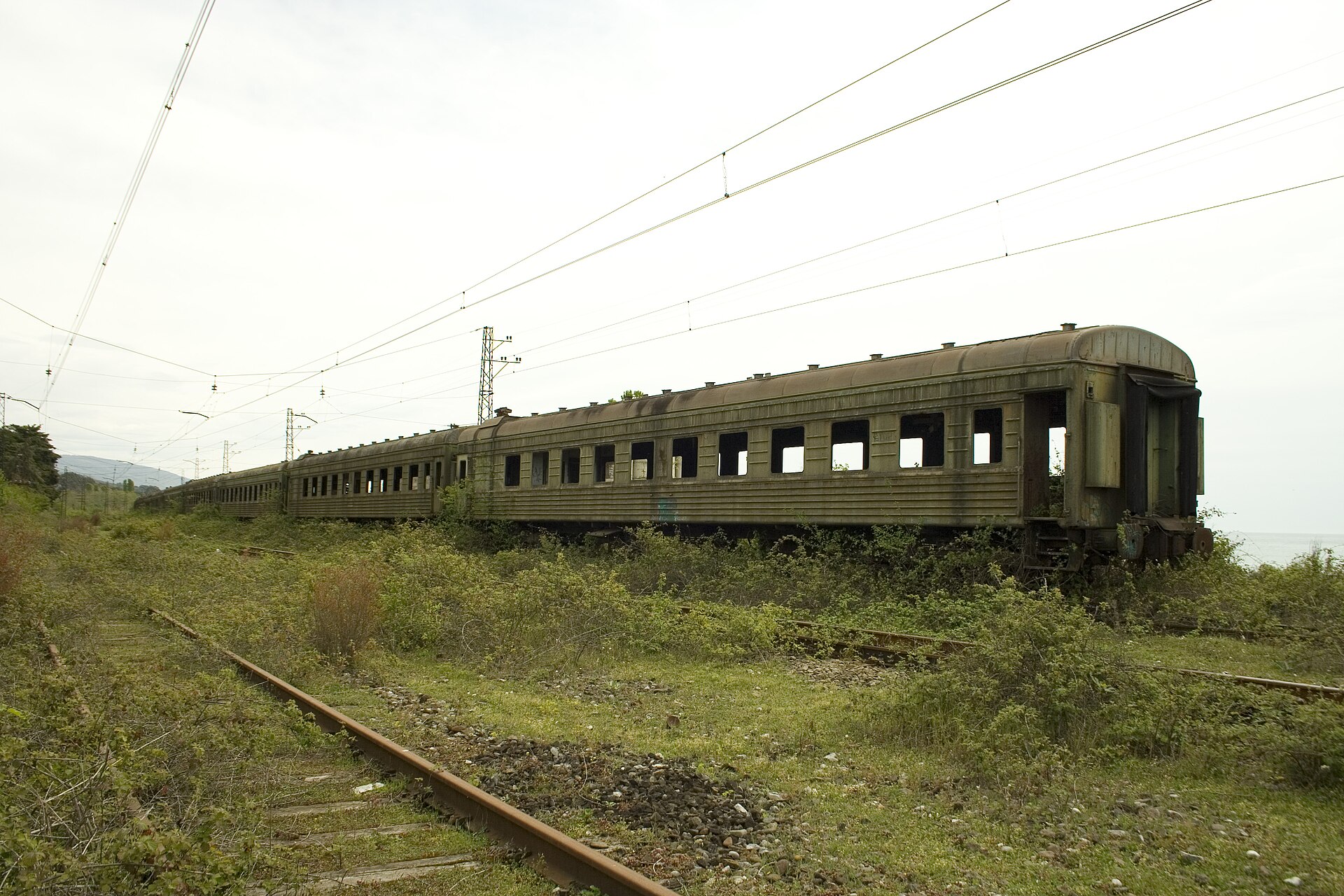
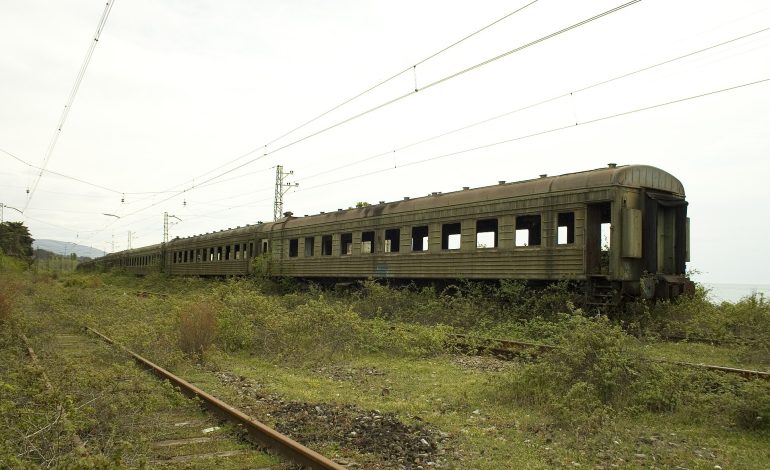
That matters because the route is not a blank slate. During the Soviet period, the Abkhaz rail line was part of a through-connection linking Russia, Georgia, and Armenia via Sukhumi and Tbilisi. It carried both passengers and freight, including cargo bound for Armenia. After the wars of the early 1990s, that line broke apart, and much of the infrastructure deteriorated. Now it is back in the conversation.
The business logic is easy to see. Reopening the Abkhaz segment would restore one of the shortest routes between Russia and Armenia. Armenian outlets have long described the line that way, and that old argument has regained force now that Russia is also discussing restoration of railway sections inside Armenia. If the pieces connect, the payoff is obvious: cheaper freight, faster transit, and less dependence on the crowded Upper Lars crossing.
That is why Ochamchire is interesting. It is a node in a wider scheme to build a southern logistics spine that can move goods by sea and rail, then feed them into Armenia through Abkhazia and Georgia. The route would not eliminate every bottleneck, but it would give another option in a region where transportation is a major issue.
There is also a hard economic angle for Armenia. Since 2008, Armenia’s railways have operated under a concession managed by South Caucasus Railway, a wholly owned subsidiary of Russian Railways. Prime Minister Nikol Pashinyan has argued Armenia is losing competitive advantages because a Russian company controls the network, while Russian officials counter that they have invested heavily and warn that changing the setup could destabilize the system.
That is the catch. A route through Ochamchire could lower transport costs and open a cheaper lane into the Russian market, which matters a great deal for Armenian business. So Ochamchire is a test of how much of the South Caucasus can still be organized through logistics and how much Armenia is willing to accept in exchange for cheaper access.



The latest news in your social feeds
Subscribe to our social media platforms to stay tuned