



The Guardian, BBC, AP, Bloomberg, and the New York Times contributed to this report.
Oil traders are back on edge. Again.
Prices pushed higher Tuesday as the clock ticked down on President Donald Trump’s latest deadline for Iran – and the mood in markets shifted from cautious optimism to something closer to nerves.
Brent crude climbed to around $111 a barrel, while US benchmark West Texas Intermediate hovered near $115. Both are now dramatically higher than before the war began, with prices up more than 50% since late February. That kind of move doesn’t happen quietly. It ripples through everything – transport, food, electricity, household budgets.
The immediate trigger? Trump’s blunt rejection of a ceasefire proposal he dismissed as “not good enough,” paired with a hard deadline: reopen the Strait of Hormuz or face a sweeping escalation targeting infrastructure like bridges and power plants.
That strait matters. A lot. Roughly one-fifth of the world’s oil flows through that narrow passage between Iran and Oman in normal times. Now it’s become the choke point of a global economic standoff.
The rhetoric isn’t new – Trump has set and stretched deadlines before – but the tone has sharpened. Markets notice that. Traders are trying to price not just risk, but intent: is this brinkmanship, or preparation?
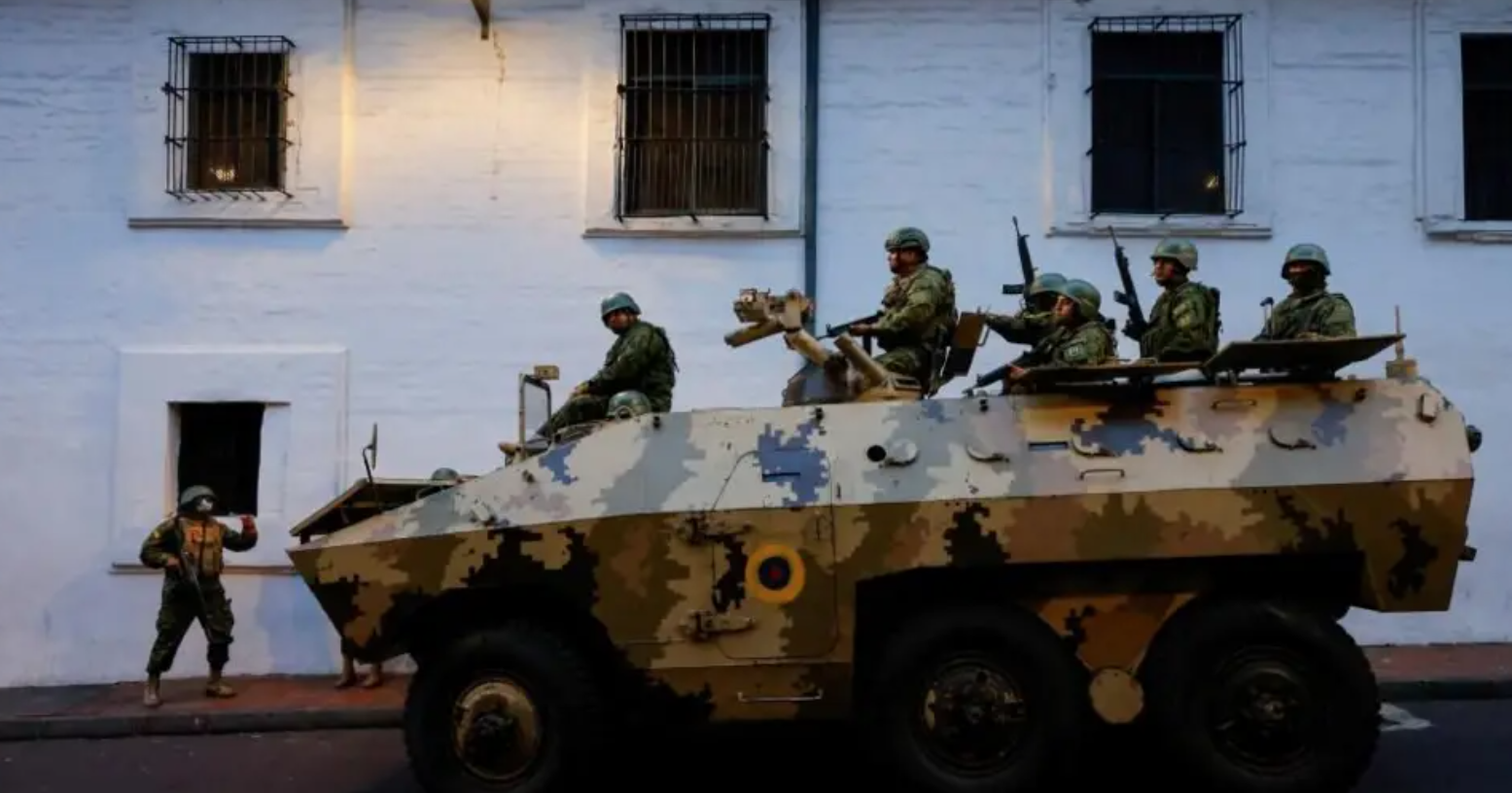
Meanwhile, the physical flow of oil tells its own story. Tanker traffic through the Gulf has slowed significantly since the conflict began, though there was a slight pickup over the weekend. Even so, ongoing strikes on energy infrastructure across Iran and the wider region are feeding concerns that damage could last longer than the war itself.
That uncertainty is bleeding into other markets, though less dramatically. Stocks are inching upward in parts of Asia and Europe, but without conviction. Futures in the US point to a muted open. Nobody seems eager to make big bets while the situation hangs unresolved.
Energy costs, on the other hand, are already hitting consumers.
Gasoline prices in the US have climbed to an average of $4.14 per gallon, up nearly 40% since the war began. Diesel has surged even faster, jumping about 50%. Those increases don’t just affect drivers – they push up the cost of moving goods, which eventually shows up on store shelves.
Even if a deal materializes, the relief won’t be immediate. Oil flows take time to normalize. Infrastructure damaged in strikes doesn’t come back overnight. Shipping costs – including insurance premiums that have spiked in the conflict zone – won’t reset instantly either.
Behind the scenes, countries are scrambling. Some are cutting side deals with Iran just to keep tankers moving. Others are tapping reserves or bracing for prolonged disruption. The longer this drags on, the more it starts to look less like a temporary shock and more like a structural shift in energy markets.
And that’s what traders are really watching now. Not just whether a deal happens – but what kind of world comes after it.



The latest news in your social feeds
Subscribe to our social media platforms to stay tuned