




With input from the Financial Times, CNBC, Reuters, and Business Insider.
Wall Street has been waiting for the IPO market to properly wake up. Now it might get something else entirely – one deal so big it sucks up all the attention, and most of the money with it.
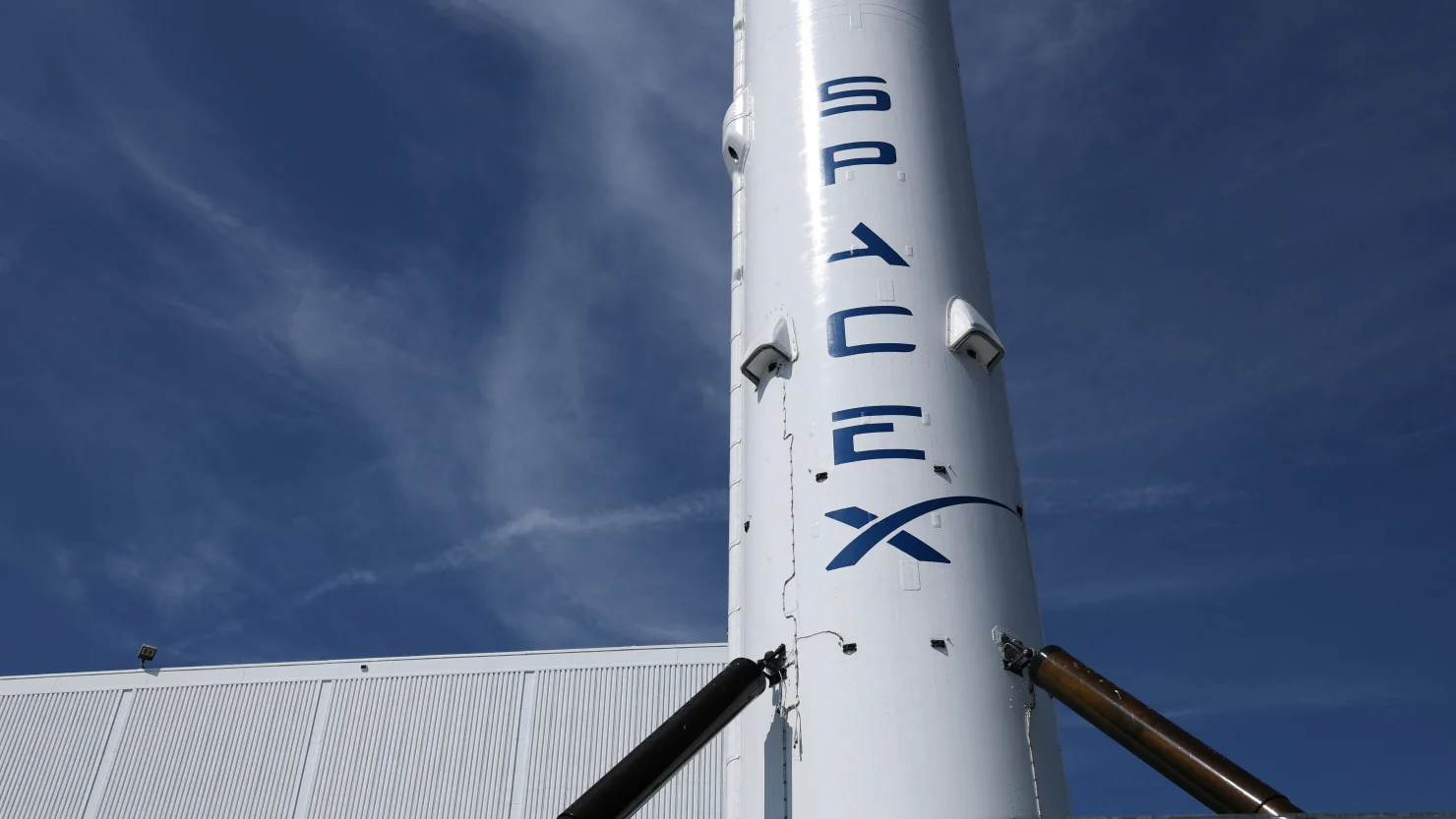
As SpaceX edges closer to a blockbuster listing that could raise as much as $75 billion, bankers and analysts are starting to ask a simple question: who else gets a shot when one company takes center stage like this?
There’s precedent. When Facebook went public in 2012, it dominated headlines and investor demand for weeks. Smaller companies struggled to be noticed, let alone funded. The concern now is that SpaceX could do the same – just on a much bigger scale.
Timing makes it trickier. The IPO market was already shaky. Listings picked up early in 2026, but momentum faded quickly after the Iran war rattled markets and pushed oil prices higher. Volatility crept back in. Investors became selective again. Some deals quietly disappeared.
Now comes SpaceX, backed by Elon Musk, carrying a mix that’s hard to compete with – rockets, satellites, AI ambitions, and a loyal retail investor base that follows Musk across ventures. That combination doesn’t just attract attention. It concentrates it.
And that’s the issue.
Big IPOs don’t just draw headlines; they absorb capital. Funds have limits. If billions are tied up chasing one listing, there’s less left for everything else. Bankers know this, which is why many are already advising clients to avoid launching deals anywhere near SpaceX’s expected June window.
Some might still try. Smaller companies could ride the wave, hoping retail enthusiasm spills over. If everyday investors pile into SpaceX, they may start looking for “the next thing.” That’s the optimistic scenario.
The risk is the opposite. A market already dealing with geopolitical tension, rising energy costs, and shifting tech valuations may not have the depth to handle multiple mega-deals at once.
Because SpaceX isn’t alone. OpenAI and Anthropic are both circling potential public debuts later this year. Together, they could raise tens of billions more. Stack those on top of a SpaceX listing, and suddenly you’re looking at capital demands that rival an entire decade of venture-backed IPOs.
That’s where things start to strain.
There’s also the unpredictability factor. No IPO of this size has really been tested before. Valuation expectations are sky-high – some estimates push SpaceX toward the $1.5–$2 trillion range – but there’s no clean comparison to anchor pricing. Investors are stepping into something new, and that usually means caution, no matter how strong the hype.
Even Musk’s track record doesn’t fully solve that. His ventures tend to pull in massive demand – Tesla is the obvious example – but today’s IPO market isn’t the same one Tesla entered years ago. It’s more selective, more price-sensitive, and less forgiving.
There’s another twist. SpaceX is planning an unusually large retail allocation, potentially giving everyday investors a much bigger slice than typical IPOs. That could widen participation – and amplify the frenzy. More buyers, more attention, more volatility.
Meanwhile, underwriting capacity isn’t infinite either. Banks can only handle so much issuance at once. If too many large deals hit the market together, something has to give – pricing, timing, or demand.
Some analysts are already pushing expectations out. Instead of a full IPO recovery in 2026, the real reopening of the market might not happen until 2027.
For now, everything revolves around one launch.
SpaceX isn’t just another IPO. It’s a stress test for how much capital, attention, and risk today’s market can handle at once. If it goes smoothly, it could set the tone for the next wave of tech listings. If it stumbles, it might freeze the pipeline even longer.
Either way, everyone else is waiting in its shadow.



The latest news in your social feeds
Subscribe to our social media platforms to stay tuned