




CNBC, Investor’s Business Daily, Bloomberg, Market Watch, Reuters, the Wall Street Journal, and the Financial Times contributed to this report.
Markets opened the week with a cautious lift. After a bruising stretch, investors finally caught a break – or at least the possibility of one.
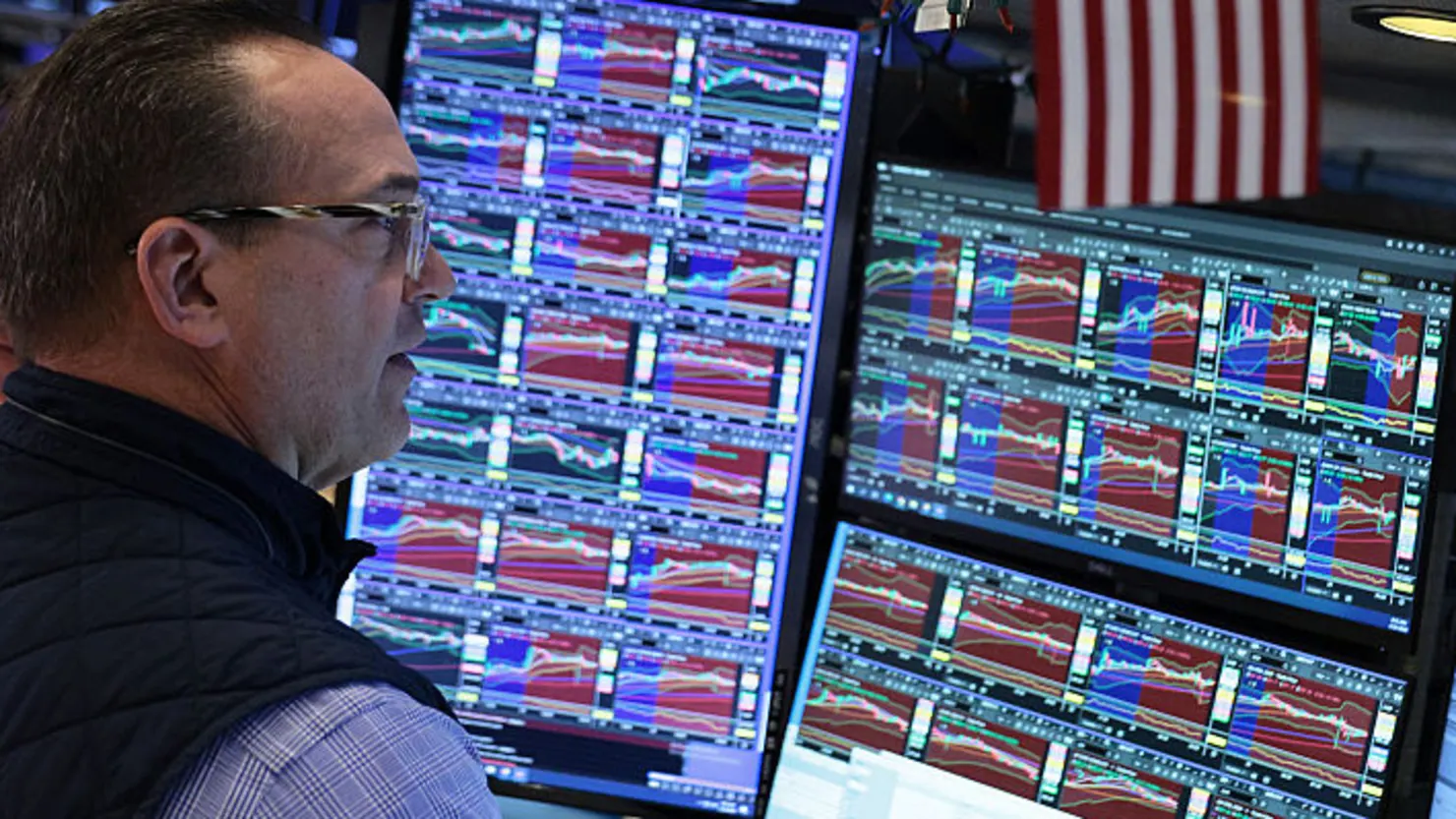
The S&P 500 inched up 0.1% Monday, while the Nasdaq Composite added 0.2%. The Dow Jones Industrial Average barely moved, up just 12 points. Not exactly a rally, but enough to suggest traders aren’t running for the exits.
The mood shift comes down to one thing: a flicker of hope that the US-Iran war might cool off. Reports are circulating about a possible 45-day ceasefire, with mediators trying to hammer out a deal that could eventually end the conflict. Nothing firm yet. Plenty of skepticism. But even a hint of progress is enough to steady nerves for now.
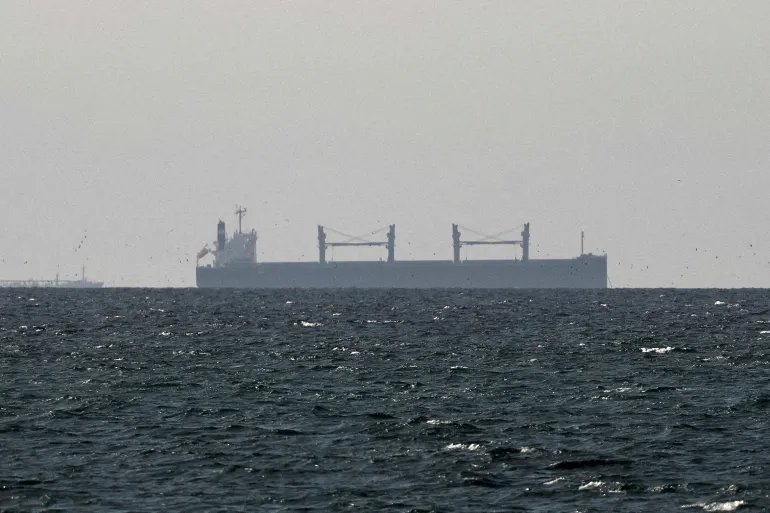
Another proposal making the rounds goes further – an immediate ceasefire paired with reopening the Strait of Hormuz. If that actually happens, it would ease one of the biggest pressure points in global energy markets. For now, it’s just a framework floating between diplomats.
Oil traders aren’t convinced. Prices swung hard again. US crude climbed back above $113 a barrel, while Brent hovered north of $110. That kind of volatility tells you the market still expects more shocks ahead, ceasefire or not.
Last week’s gains are doing some of the heavy lifting here. Stocks snapped a five-week losing streak, with the S&P 500 jumping 3.4% – its best showing since late November. The Dow rose 3%, and the Nasdaq surged 4.4%. It looked like a comeback, but it didn’t feel comfortable. Every headline out of the Middle East sent markets zigzagging.
That pattern hasn’t changed. Investors are still trading the news cycle, not the fundamentals.
And the news cycle remains messy. Over the weekend, President Donald Trump warned Iran to reopen the Strait of Hormuz or face strikes on key infrastructure. A day later, he softened the tone slightly, hinting he’d prefer to secure oil access without escalating further. Mixed signals, again.
Behind the scenes, some on Wall Street think the market is underestimating the damage. Energy disruptions rarely stay contained. Higher oil feeds into everything – transport, manufacturing, food. It doesn’t take long before it starts eating into growth.
There’s another factor in play. Friday’s stronger-than-expected jobs report is finally hitting the market after the Good Friday break. On paper, it shows resilience. In reality, it complicates things. A strong labor market gives the Federal Reserve less reason to cut rates, even as geopolitical risks pile up.
So the market sits in this uneasy middle ground. Stocks are up, but barely. Oil is high, but unstable. Diplomacy is active, but uncertain.
For now, traders are watching the same thing everyone else is: whether the next headline brings a deal – or another escalation.


The latest news in your social feeds
Subscribe to our social media platforms to stay tuned