


US revokes residency of alleged Soleimani relatives amid war tensions

The United States has revoked the permanent residency of two women it says are related to Qassem Soleimani, in a move that reflects how the war on Iran is extending into immigration policy and domestic enforcement.
According to the State Department, Soleimani’s niece, Hamideh Soleimani Afshar, and her daughter were arrested on Friday night and are now being held by Immigration and Customs Enforcement as authorities seek to remove them from the country.
The administration framed the decision primarily around political expression and alleged affiliations. Citing media reports and social media activity, officials described Soleimani Afshar as “an outspoken supporter of the totalitarian, terrorist regime in Iran”, adding that such positions would not be tolerated under President Donald Trump.
“The Trump Administration will not allow our country to become a home for foreign nationals who support anti-American terrorist regimes,” the statement said.
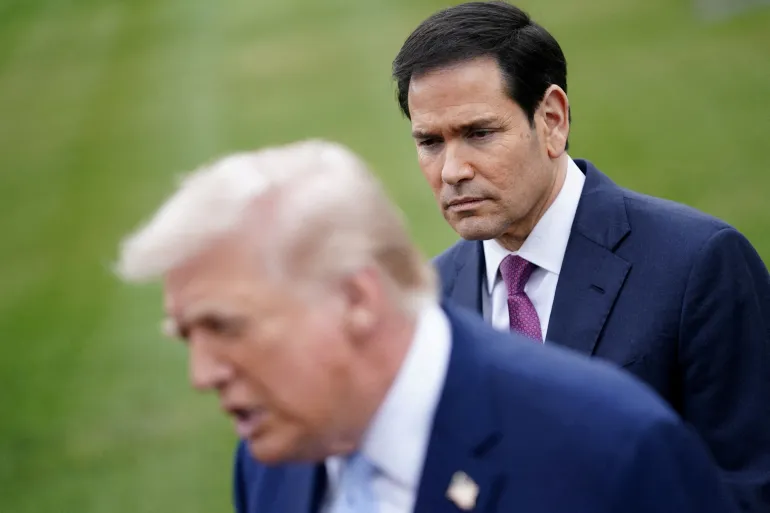
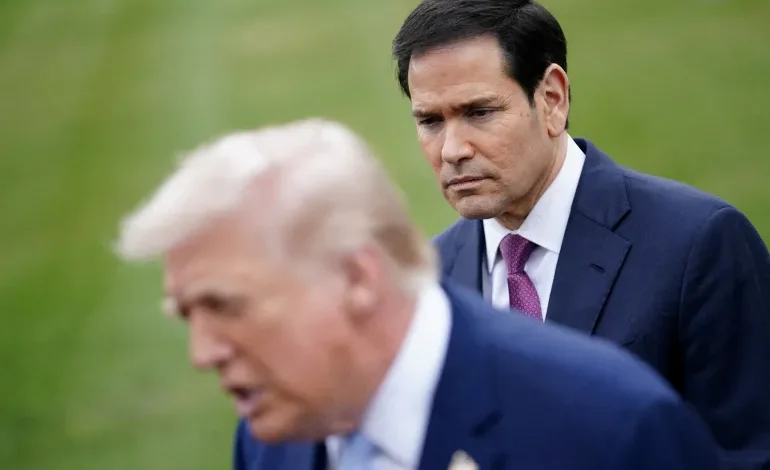
Secretary of State Marco Rubio confirmed he had personally terminated their legal status, pointing to statements he said praised attacks on Americans and criticised the United States.
“This week, I terminated both Afshar and her daughter’s legal status,” Rubio wrote.
“She is also an outspoken supporter of the Iranian regime who celebrated attacks on Americans and referred to our country as the ‘Great Satan’.”
At the same time, the case is contested. Iranian media quoted Zeinab Soleimani, the general’s daughter, as rejecting any connection between the detainees and her family.
“The individuals arrested in the United States have no connection whatsoever to martyr Soleimani, and the claim made by the US State Department is false,” she said.
Beyond the specifics, the case highlights a broader shift. The administration has taken similar action against relatives of other Iranian officials in recent weeks, including figures linked to Ali Larijani, signalling a pattern of targeting individuals based on alleged ties and public positions.
The policy is unfolding against the backdrop of the ongoing war, now several weeks in, where political, military and legal measures are increasingly overlapping. It also raises wider questions about where the line is drawn between national security concerns and individual rights, particularly when actions extend to family members rather than direct actors.
Public pressure has played a role. Conservative activists have openly called for the removal of relatives of Iranian officials, with some claiming involvement in reporting individuals to authorities.

The latest news in your social feeds
Subscribe to our social media platforms to stay tuned