

With input from the Washington Post, France 24, Al Jazeera, the New York Times, and CNBC.
The war in Iran is rattling global energy markets. Prices are jumping, supply chains are fraying, and governments are scrambling. Yet one country seems unusually well-positioned to ride out the chaos – and even profit from it.
China.
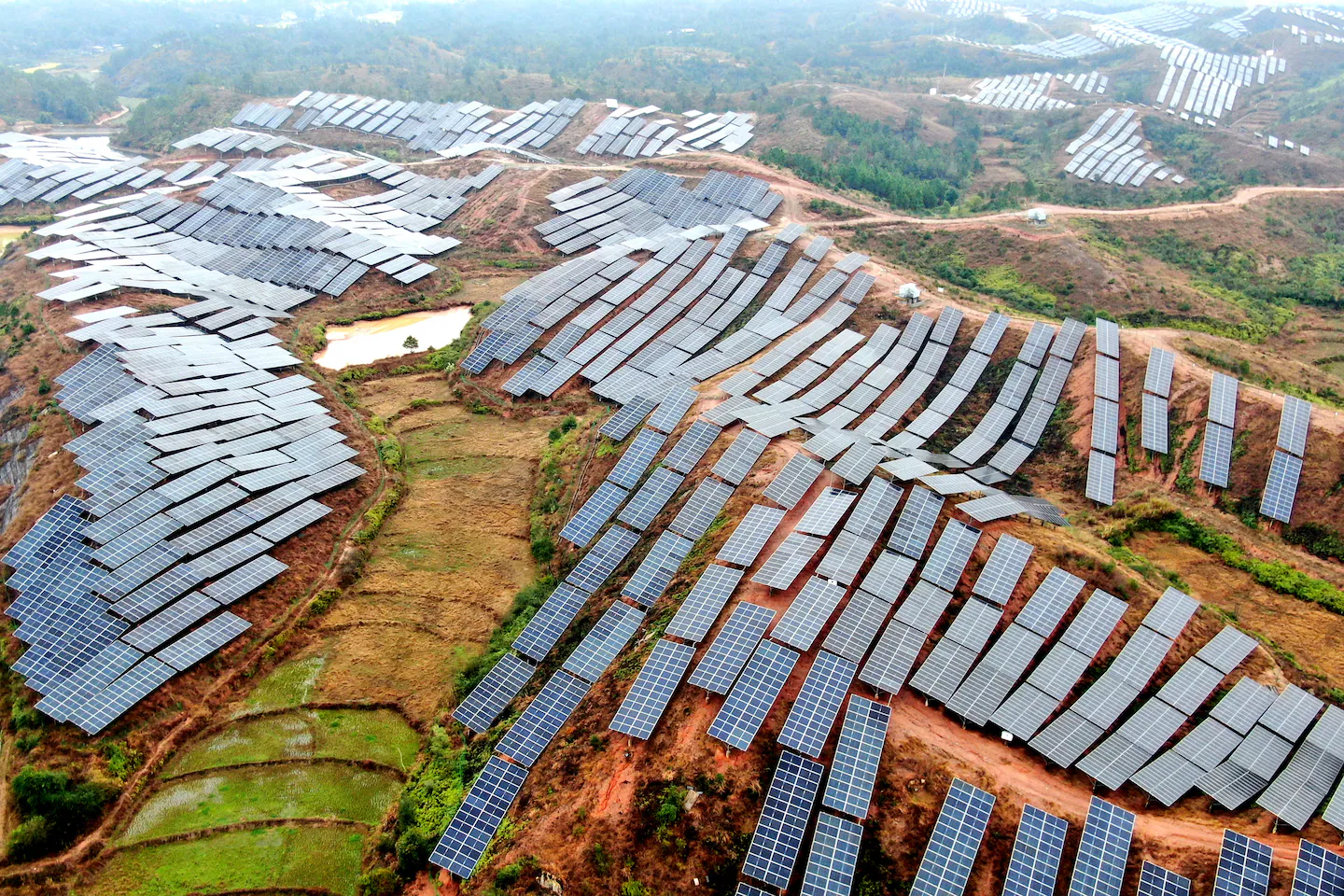
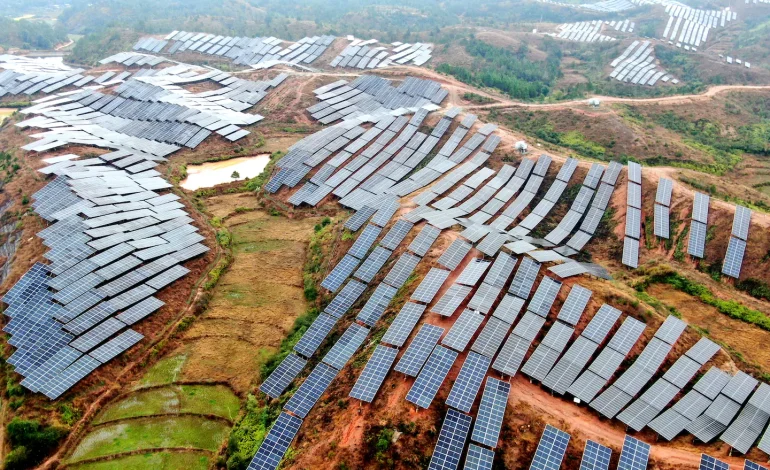
As oil and gas flows choke, demand for alternatives is picking up speed. Chinese companies are right in the middle of that shift. Sales of electric vehicles, solar panels, and batteries have surged since the conflict began, giving Beijing a timely boost in industries it already dominates.
That dominance didn’t happen overnight. China produces most of the world’s solar panels, wind turbines, batteries, and EVs. Exports were already climbing fast in early 2026. Now, with fossil fuel markets in turmoil, those technologies are suddenly more attractive – and more urgent – for countries trying to shield themselves from energy shocks.
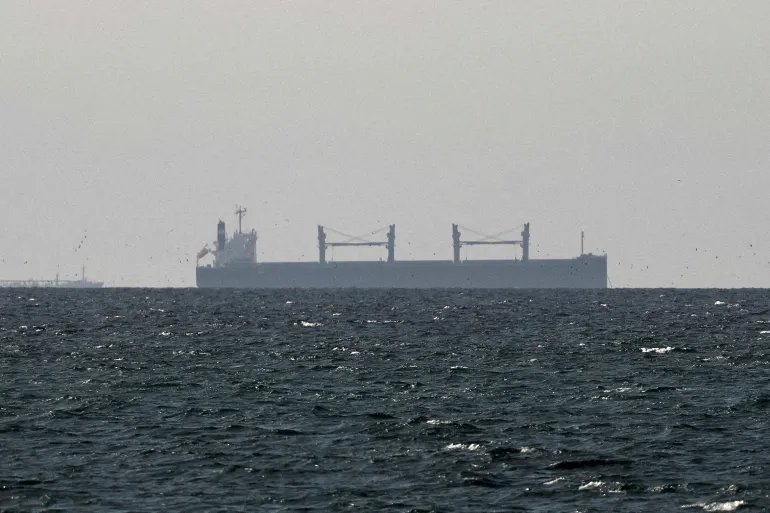
The trigger is clear. Iran’s effective blockade of the Strait of Hormuz has disrupted a critical artery for global energy. Roughly a fifth of the world’s oil and gas normally passes through that narrow stretch of water. With shipments stalled and tensions escalating, prices have surged past $100 a barrel, at times pushing even higher.
Governments have started dipping into strategic reserves to soften the blow. That buys time, not stability. The longer the disruption lasts, the more pressure builds to pivot away from fossil fuels altogether.
China saw this coming.
Years before the current crisis, Beijing was quietly building buffers. Stockpiling oil. Diversifying suppliers. Expanding pipelines. Encouraging a parallel system of smaller, independent “teapot” refineries willing to process discounted, sanctioned crude from places like Iran and Russia. It’s a messy system, sometimes opaque, often politically risky – but flexible.
That flexibility matters now.
While China still depends heavily on Middle Eastern oil, it has options others don’t. It can lean on reserves. It can reroute supplies. It can absorb sanctioned crude through unofficial channels. None of this makes it immune. Imports are already showing signs of strain, and tighter supply will bite. But compared to many economies, China has breathing room.
And it’s using that time to accelerate something bigger.
The real payoff isn’t just surviving the oil shock. It’s reshaping demand. Every spike in fuel prices nudges governments and consumers toward alternatives. Electric cars start to look cheaper over time. Solar becomes more appealing. Energy independence turns from a slogan into policy.
That shift plays directly into China’s hands.
There’s a second layer to this strategy. Even as Beijing pushes renewables, it hasn’t abandoned fossil fuels. Instead, it’s playing both sides. Cheap, sanctioned oil feeds its industrial base in the short term. Massive investment in clean tech sets it up for the long term. Few countries can balance those tracks at scale.
Still, the system isn’t frictionless. The same “teapot” refineries that helped China secure cheap oil are under pressure. Their margins are thin. As prices rise, their ability to keep buying fades. State-owned firms are more cautious, wary of sanctions and compliance risks. And stockpiles, no matter how large, are finite.
So the cushion holds – for now.
Meanwhile, the rest of the world is adjusting in real time. Some countries are rationing fuel. Others are cutting industrial output. Many are fast-tracking renewable projects that once moved slowly through bureaucracy. The energy transition, often described as gradual, is getting a sharp push.
China isn’t just participating in that shift. It’s supplying it.
The irony is hard to miss. A war centered on oil is accelerating the move away from oil – and boosting the country that bet most aggressively on that transition.
Geopolitical shocks rarely produce clear winners. But this one is tilting the field. Beijing’s mix of preparation, opportunism, and industrial scale is turning a global crisis into strategic momentum.
Energy markets are still volatile. Supply chains remain uncertain. A ceasefire could change the equation again. But even if tensions ease, one trend is unlikely to reverse quickly.
The world has been reminded how fragile fossil fuel dependence can be.
China, more than most, was ready for that moment.


The latest news in your social feeds
Subscribe to our social media platforms to stay tuned