




With input from CNBC, Quartz, and the Wall Street Journal.
Flying is getting more expensive – and potentially less available.
As the war with Iran drags on, airlines are facing a problem that goes beyond rising costs. It’s turning into a supply issue. Jet fuel prices have surged, and in some regions, carriers are starting to worry whether they’ll even be able to get enough of it.
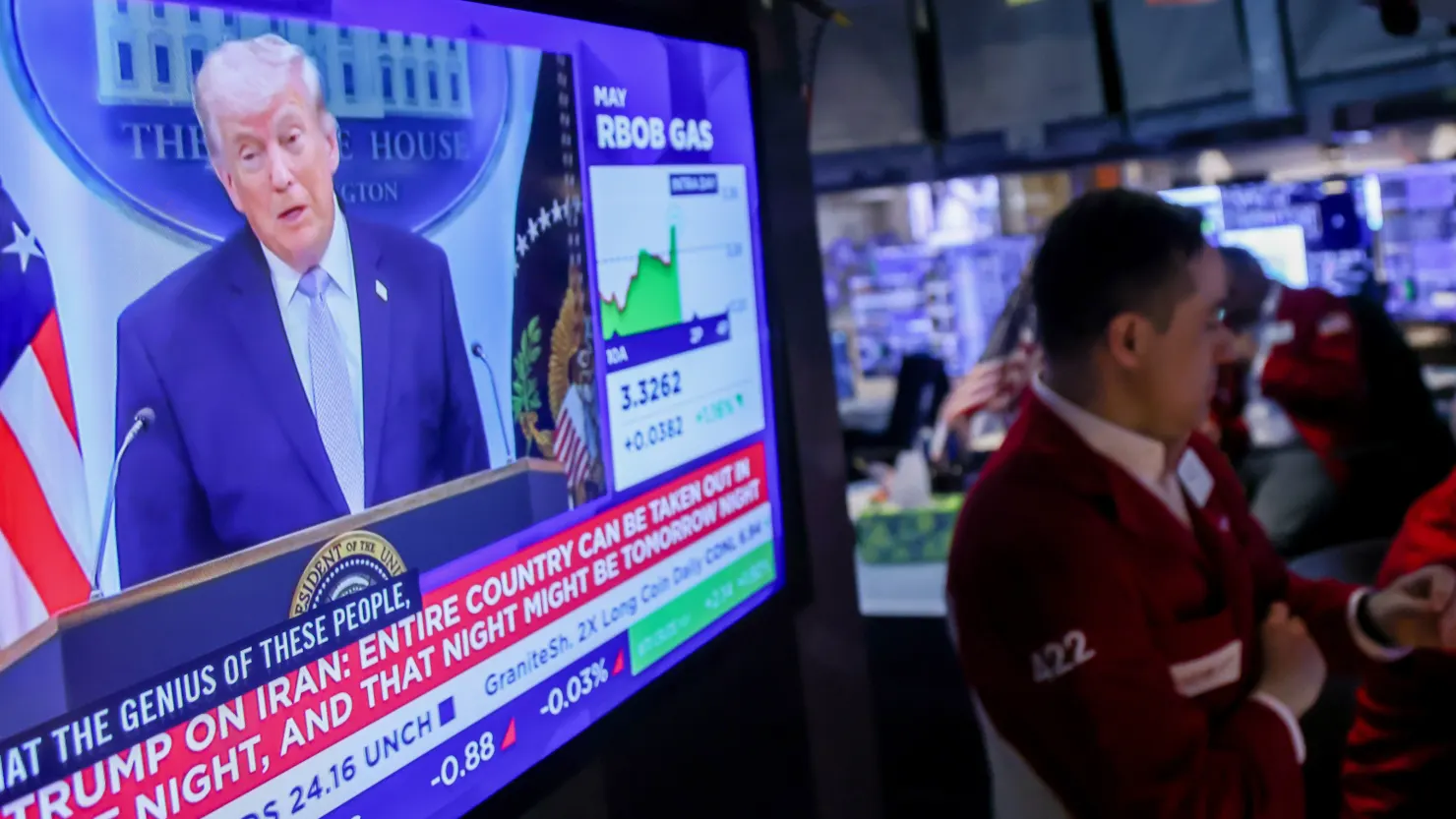
Since late February, when the US and Israel launched strikes on Iran, jet fuel prices in the US have nearly doubled – from about $2.50 a gallon to $4.88 by early April. Elsewhere, the spike has been even sharper. The disruption of traffic through the Strait of Hormuz has squeezed the flow of both crude and refined fuels, tightening global supply just as demand picks up ahead of the summer travel season.
Airlines are reacting quickly. Schedules are being trimmed, fees are creeping up, and ticket prices are following. Fuel has always been one of the industry’s biggest expenses after labor. Now it’s becoming the defining constraint.
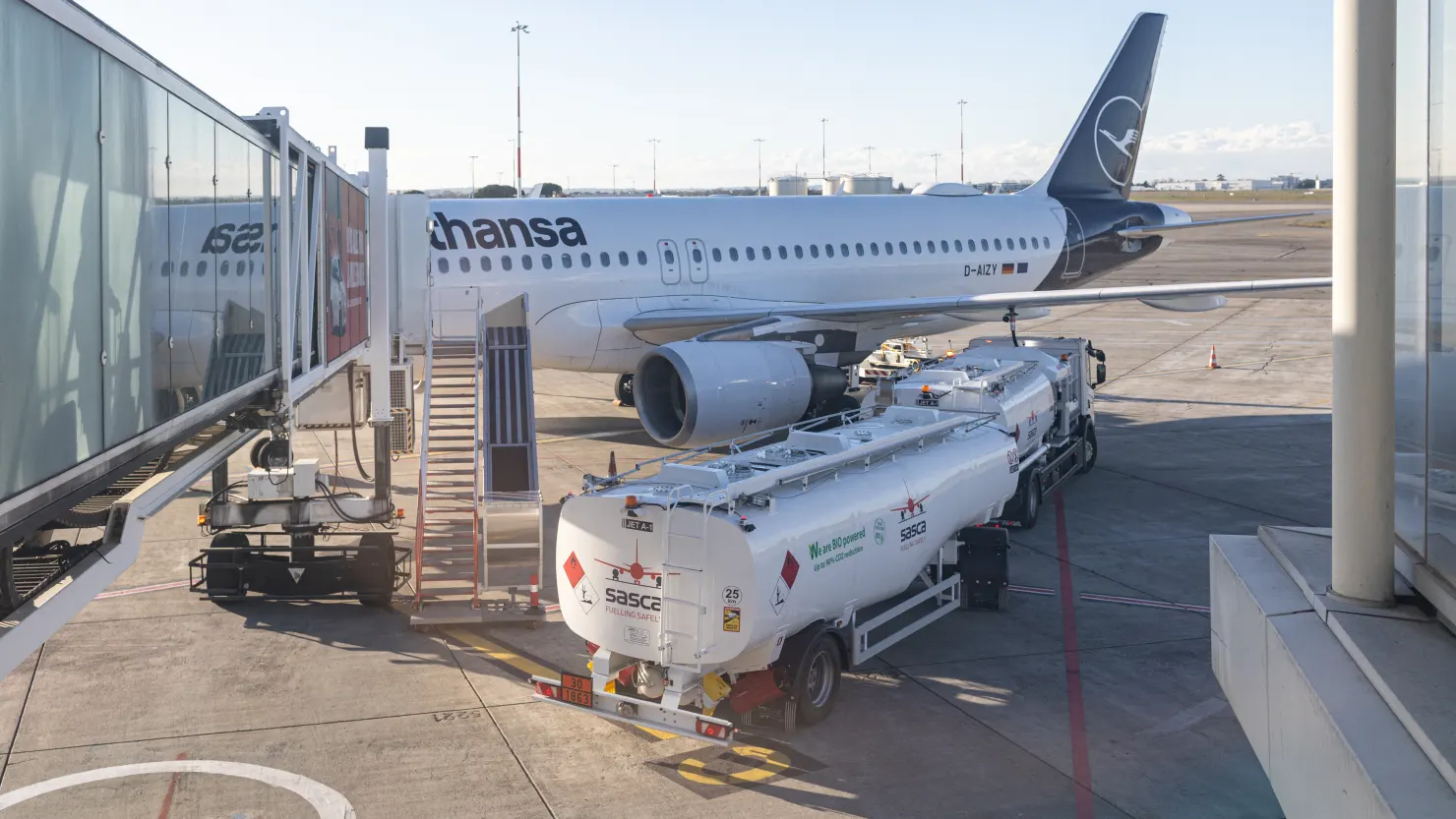
Inside boardrooms, contingency plans are already in motion. At Lufthansa, CEO Carsten Spohr has tasked teams with preparing for multiple scenarios – everything from weaker demand to outright fuel shortages. Grounding aircraft is on the table if things worsen.
US carriers aren’t immune, even if the country produces a large share of its own fuel. Planes refuel where they land, and that’s where the risk lies. International routes, especially across Asia, are under pressure.
United Airlines is already adjusting. CEO Scott Kirby has signaled cuts to Asian routes, warning that the industry as a whole may have to scale back service in the region. His message to staff earlier this year was blunt: there’s little sense in operating flights that can’t cover their fuel costs.
The math is getting harder by the week.
Capacity growth is already slowing. US domestic seat expansion for the second quarter has been trimmed slightly, while overall growth projections have been cut more sharply. Analysts expect more reductions as airlines recalibrate for higher fuel costs that may stick around longer than initially hoped.
Passengers are starting to feel it. Airlines are raising baggage fees, adding fuel surcharges, and nudging fares higher wherever demand allows. Delta, JetBlue, and United have all made pricing moves in recent days. Overseas, carriers like Qantas and Thai Airways are doing the same, with some fares expected to climb by double digits.
There’s a limit to how much of that can be passed on. Analysts say sustained jet fuel prices above $4 a gallon start to strain the model. Beyond that, airlines don’t just charge more – they fly less.
Demand, for now, is holding up. Travel appetite remains strong, particularly in the US, where bookings are outpacing last year. That’s giving airlines some breathing room, helping offset hundreds of millions of dollars in added fuel costs.
But the margin for error is shrinking.
If high fuel prices stick and consumers start to feel pressure from rising gas prices and borrowing costs, demand could soften quickly. That’s when the real squeeze begins – fewer passengers, higher costs, and shrinking route networks.
Credit agencies are watching closely. A prolonged stretch of elevated fuel prices could start to weigh on airline balance sheets and ratings, especially if capacity cuts accelerate.
For now, the industry is still flying. Just not as confidently – and not as cheaply – as it was a few months ago.



The latest news in your social feeds
Subscribe to our social media platforms to stay tuned