

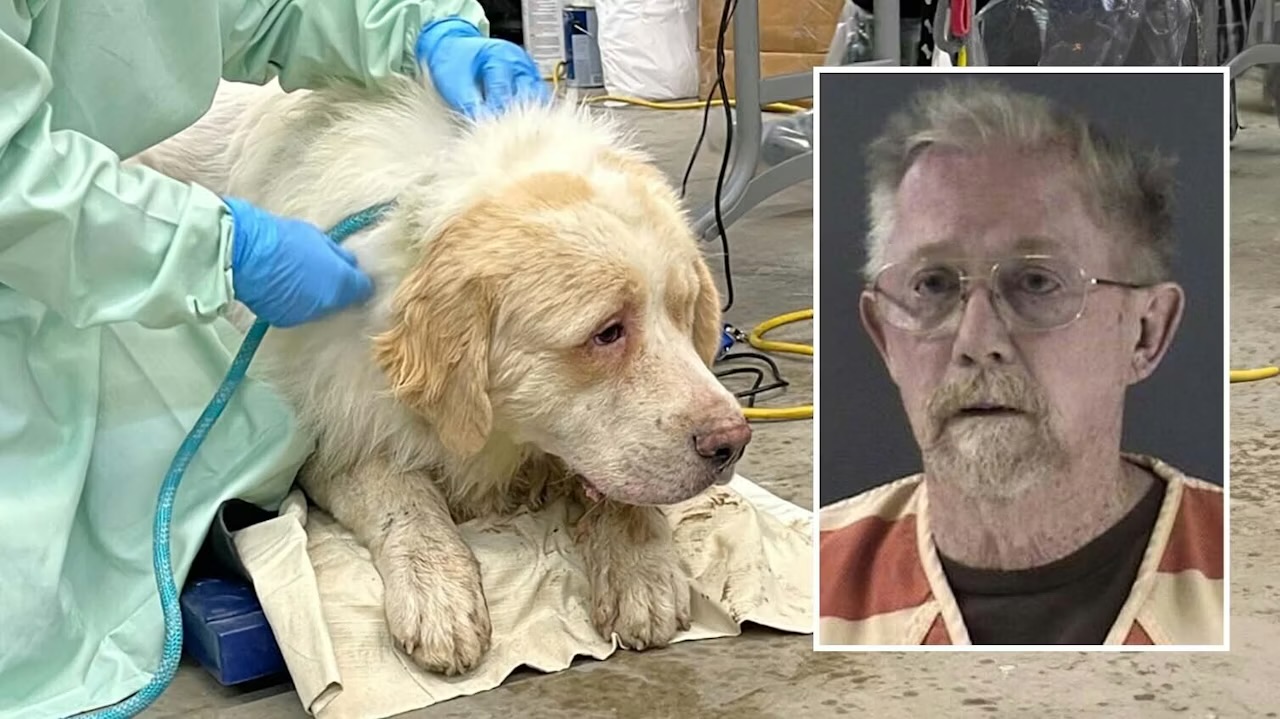


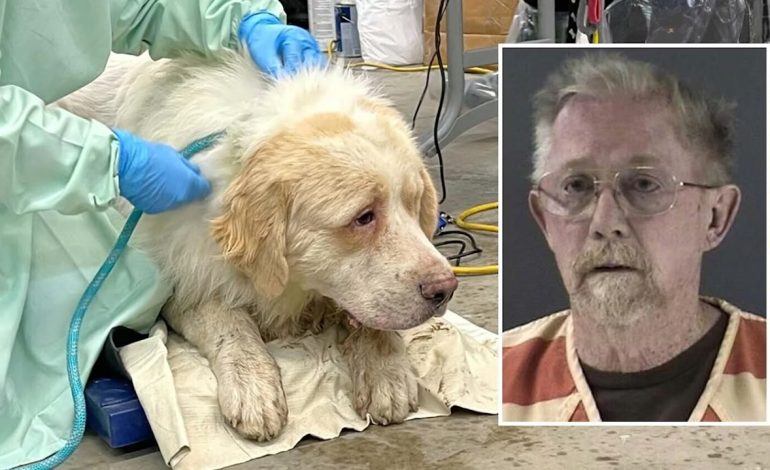

CHEYENNE — A guilty plea to misdemeanor charges by a Laramie County man who had amassed a hoard of 101 live and 22 dead animals kept in “abhorrent” conditions is an extreme example of Wyoming’s lax cruelty laws, an animal advocate says. “The laws are virtually nonexistent,” said Britney Tennant, director of the Cheyenne Animal Shelter who has been lobbying for stronger animal cruelty laws in Wyoming since 2006. “We have the worst animal protection laws in this country. The Legislature just is not interested in addressing this type of stuff,” she said.
Michael Ohern, 71, was originally charged with 22 felony counts of animal cruelty for the 22 dead pets found in his home last October, according to court documents. Another 101 live animals suffering from various stages of neglect also were seized. In December, the Laramie County District Attorney’s Office dismissed the felony charges because the evidence didn’t rise to the level to support them, and six counts of misdemeanor animal cruelty were filed instead. On Thursday, during what had been set as a status conference in the case, Ohern pleaded guilty to four charges in return for two others being dismissed.
Nobody knows the condition of those animals better than Tennant and her staff, who took them in and found homes for all but three of them after they had recovered. Two died—a tortoise that had a number of severe body abscesses and a bird. The third, a red-rumped parakeet named Bijou, is still at the shelter and now lives in Tennant’s office. “He gets basically free rein of our administrative office area,” she said.
It’s the latest in a history of extreme animal hoarding for Ohern. He’s been cited at least 33 other times for various animal-related offenses since 2022, including pets not being vaccinated, public nuisance, and cruelty. In April 2022, after neighbors complained about 15 loose dogs harassing their livestock, 64 dogs, three cats, and 13 birds were recovered from Ohern’s home. “Conditions were described as severely unsanitary, with feces piled up to 2 feet high in areas,” according to an affidavit. The animals taken from his home in October include dogs, cats, rabbits, chickens, tortoises, small birds and a goat.
Ohern could get up to six months in jail and a $750 fine for each of the four misdemeanors. Had he been convicted on the 22 felony charges, he could have been sentenced to up to two years in prison and a $5,000 fine for each. Tennant said advocating for stronger animal cruelty laws doesn’t mean she thinks hoarders like Ohern only belong in prison—they often need mental health treatment. Also, state laws should clearly spell out how habitual animal abusers can be banned from owning animals again. “Hoarding, unfortunately, is a known mental health condition,” she said. “People like Mr. Ohern exist all over the country. He should be banned, but then the question is how much public resources do we spend on monitoring that situation?” She noted the state currently recognizes animals as property “the same way they would a bicycle.” “What I would like to see Wyoming do is tackle this at an interim topic level,” she said. “We’ve had decades of heinous examples now like Mr. Ohern. The reason for not having stronger laws is it’s complicated, and our statutes don’t do a good job of differentiating between those types of animals.” She added that “lots and lots of states” have fleshed out comprehensive animal cruelty laws, “and Wyoming should too.”



The latest news in your social feeds
Subscribe to our social media platforms to stay tuned