
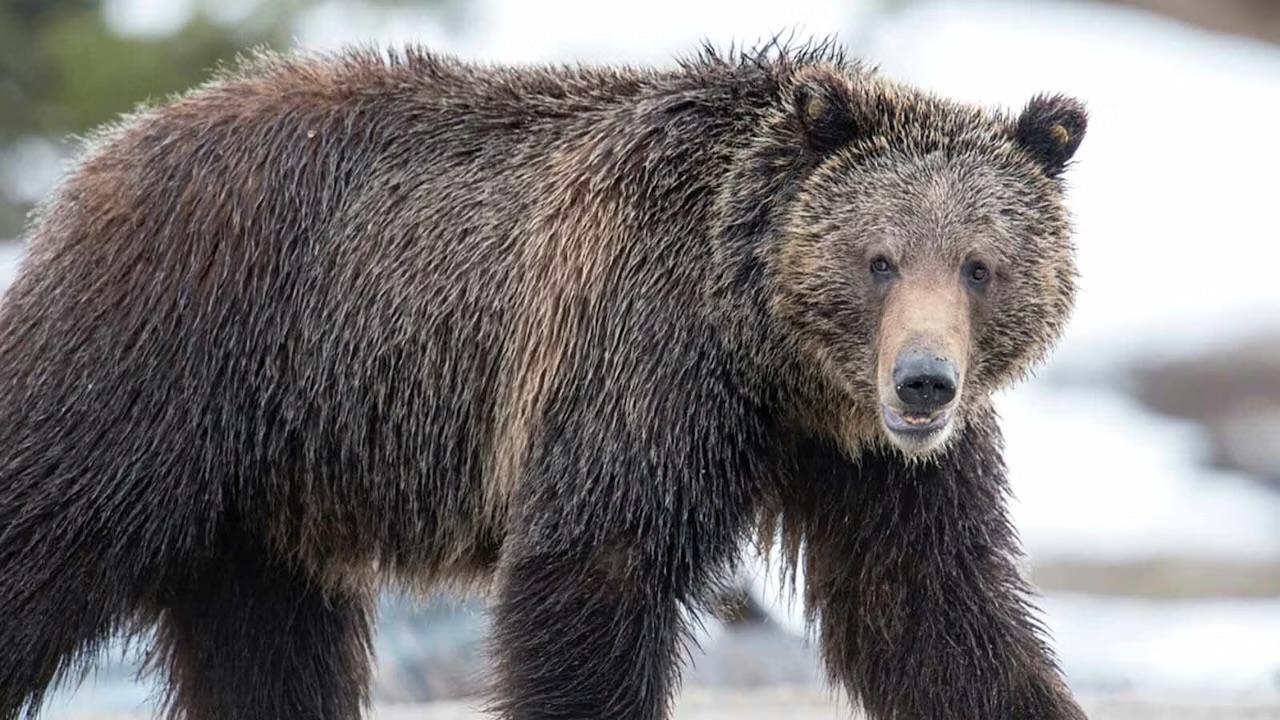
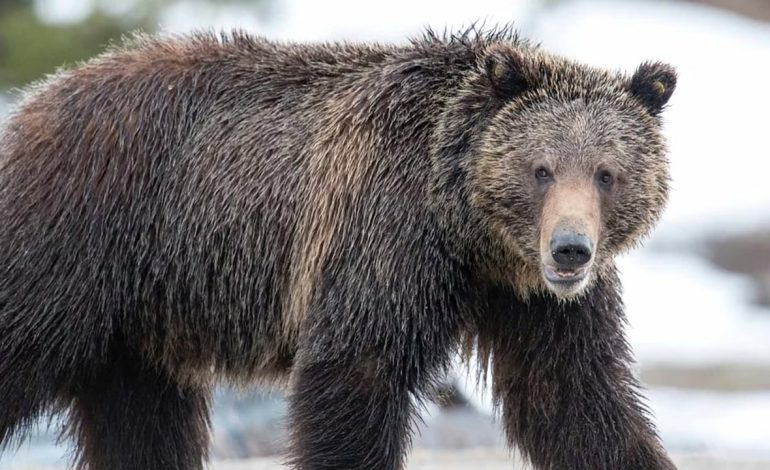

Grizzly 760 came from Wyoming bear royalty lineage as the son of Grand Teton National Park’s favorite, Grizzly 610, and grandson of the famed Grizzly 399. He left a huge impression, though his life was brief. He was born in 2011, then relocated in 2014 and subsequently killed that same year after stealing a hunter’s deer carcass near Clark. The death of Grizzly 760 “pissed everybody off that year,” wildlife photographer Daniel Muscatell of Jackson told Cowboy State Daily.
Even among a lineage of grizzlies known to be highly visible and tolerant of admiring mobs, Grizzly 760 stood out as exceptionally mellow and docile. “This bear did nothing but roam around and eat berries,” Muscatell said. Grizzly 760 was downright polite, wildlife tour guide and photographer Jeffrey Soulliere told Cowboy State Daily. During a backcountry encounter shortly before Grizzly 760 was captured and relocated, Soulliere swears he saw the bear give him a courteous head nod, almost like a formal bow. He did “this big bow down to let me know everything was OK. And then he just kind of ignored me, like I was a tree.” A black-and-white photo capturing the moment is prominently featured in Soulliere’s gallery, which recently opened in Jackson.
It used to be that bear fans had to go to Yellowstone to watch grizzlies; Grand Teton just didn’t have many of them. That started to change around 2006, when Grizzly 399 started showing up near the roadside with her then three young cubs, including Grizzly 610. In the spring and summer of 2011, Grizzly 610 had three cubs with her—760 and two other males. Apparently, she’d given birth to Grizzly 760 and one of the other cubs, while the third was adopted from Grizzly 399.
Biologists say mother bears use crowds as protection. Large male grizzlies sometimes kill young cubs but tend to avoid crowded areas, so the mother bears might have figured out that crowds can provide protection. It turned bears into celebrities and caused people to fall in love with them. “When they’re roadside and they’re available, that’s when it becomes emotional. That’s when people get emotionally attached,” Muscatell said.
While roadside bears are adored by tourists, they’ve also caused headaches for park managers trying to keep people and bears at safe distances. A civilian “wildlife brigade” was formed to help, but efforts weren’t always successful. Muscatell saw uncomfortably close encounters between tourists and Grizzly 760. “They were nuts, just nuts,” he said. “There would be people out of their cars and the bear is just 5 feet from them.” Dixon remembered similar scenes. Even after Grizzly 760’s siblings moved away from the roadside mob scene, he lingered. “He wasn’t one of those bears who saw the wildlife brigade coming in and ran off. He just kept doing what he was doing,” she said.
Grizzly 760 wandered south of Grand Teton in September 2014. Wildlife agents trapped him on private land on Oct. 10, 2014, and relocated him to the North Fork of the Shoshone River, roughly 5 miles east of the east entrance to Yellowstone. He wandered into the Clark area and found a deer hunter’s carcass hanging from a tree. The hunter tried to force the bear off the carcass but failed and called Game and Fish. Grizzly 760 was captured, and on Oct. 27, 2014, he was euthanized by lethal injection. State and federal wildlife officials claimed the killing was necessary because Grizzly 760 had become too acclimated to human settlements and displayed dangerous behavior toward people. The bear’s admirers didn’t buy that. What happened with Grizzly 760 was “the beginning of the hateful era” between wildlife advocates and the agencies, Muscatell said.
Regardless of the controversy surrounding his death, Grizzly 760 is well-remembered. “He was just a beautiful, well-designed big male bear that didn’t give a shit about people being around,” Muscatell said. “So, he was loved.”

The latest news in your social feeds
Subscribe to our social media platforms to stay tuned