





BBC, Axios, the Guardian, Reuters, the Wall Street Journal, the Financial Times, CNBC, and CNN contributed to this report.
Wall Street flipped the script overnight.
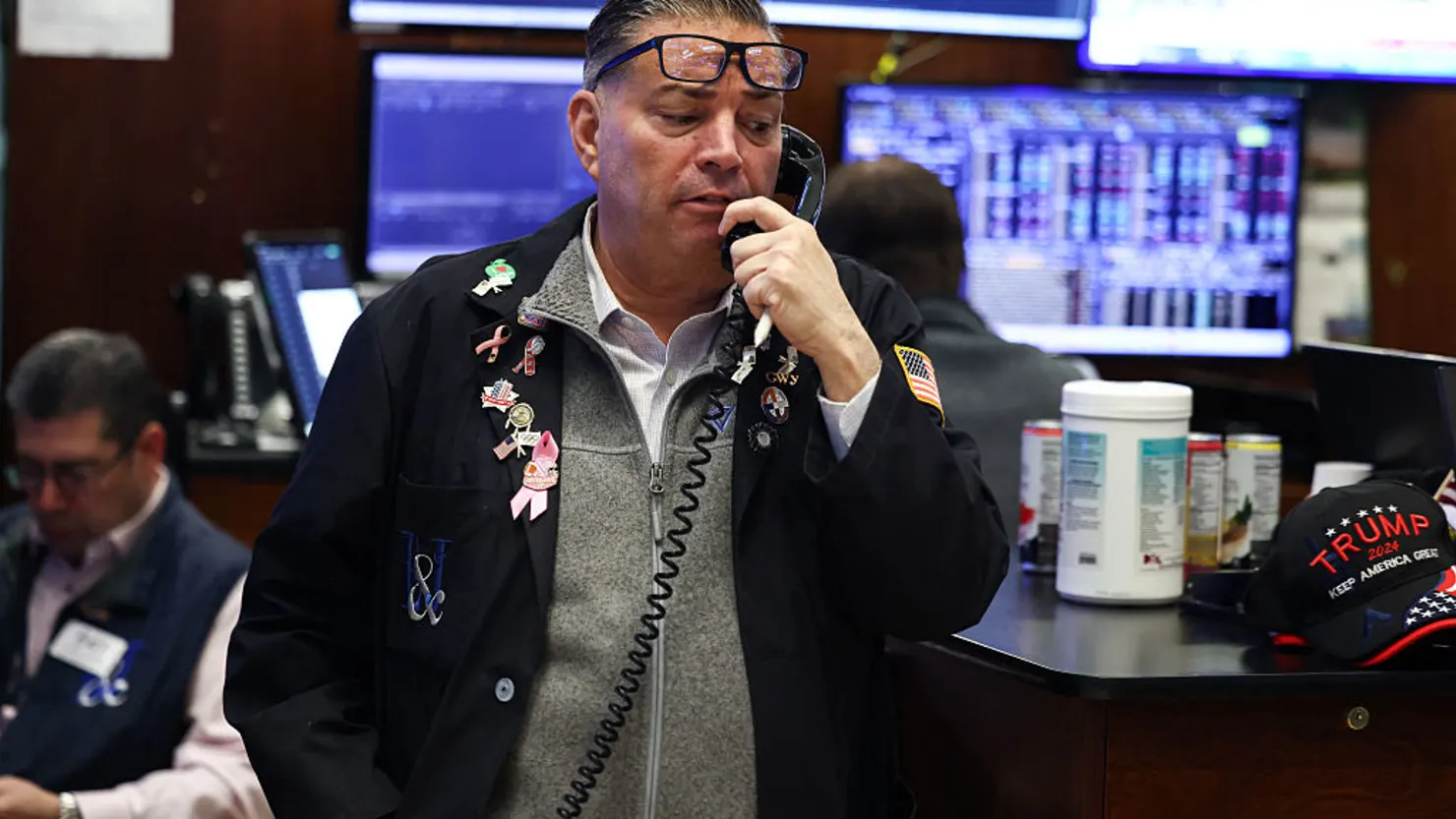
US stock futures surged early Wednesday after Donald Trump said he would hold off on attacking Iran – for now. The last-minute decision, announced just before his own deadline, triggered a sharp rally in equities and a steep down in oil prices.
Futures tied to the Dow Jones Industrial Average jumped more than 1,200 points, or about 2.6%. The S&P 500 climbed 2.7%, while the tech-heavy Nasdaq 100 leapt 3.5%. Traders who had been bracing for escalation suddenly found an off-ramp.
Oil moved just as dramatically – but in the opposite direction. West Texas Intermediate plunged more than 16%, slipping below $95 a barrel. Brent crude dropped over 14%. One of the biggest one-day selloffs in years.
The shift came after Trump agreed to a two-week pause in attacks, saying a proposal from Iran could form the basis for negotiations. The deal hinges on reopening the Strait of Hormuz – a narrow shipping route that normally carries about a fifth of the world’s oil.
Tehran signaled it’s on board, at least temporarily. Iranian officials said the strait would reopen for two weeks if strikes stop, with transit coordinated by its military. Reports also suggested Israel would respect the pause.
Markets had been inching toward this outcome. Stocks barely budged during Tuesday’s session despite increasingly dire rhetoric. By the close, the S&P 500 had managed a tiny gain, hinting that traders were betting a full-blown escalation might be avoided.
That instinct paid off – at least for now.
Still, not everyone is celebrating just yet. The agreement is short, fragile, and packed with unknowns. Shipping companies are already signaling caution, unsure whether it’s truly safe to send tankers back through the strait. Confidence, not just policy, will decide whether oil starts flowing normally again.
There’s also the backlog. Millions of barrels remain stuck in the Hormuz, and even if traffic resumes, it won’t clear overnight. Damage to energy infrastructure across the region could take months – possibly years – to fully repair.
Investors, though, are focusing on what’s in front of them: a pause in the worst-case scenario.
After weeks of volatility, markets snapped into relief mode. Bond yields eased. Global stocks rallied from Asia to Europe. The mood shifted fast.
But beneath the bounce, the bigger questions haven’t gone anywhere. Is this a genuine step toward de-escalation – or just another delay? Will the strait stay open? And what happens when the two-week clock runs out?
For now, traders are taking the win. The rest can wait.


The latest news in your social feeds
Subscribe to our social media platforms to stay tuned