




Fatal Channel crossing highlights risks of “taxi boat” strategy
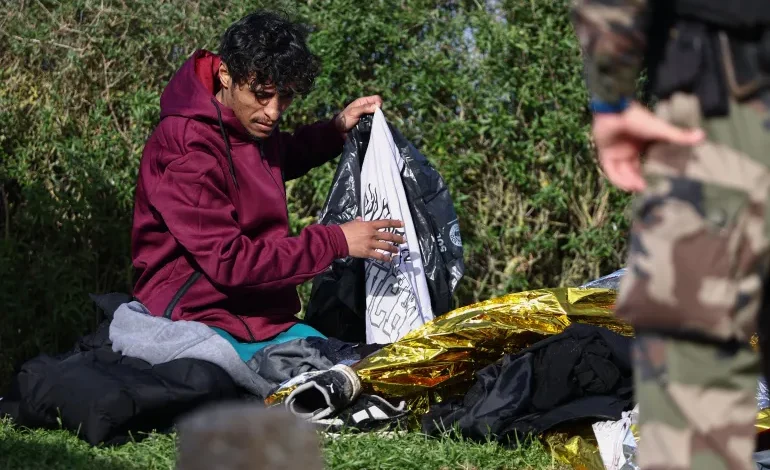

A failed attempt to board a small boat off the northern coast of France has left four migrants dead, underscoring how crossings of the English Channel remain as dangerous as ever despite tighter controls.
The incident unfolded early Thursday near Calais, where a group tried to reach an inflatable dinghy already positioned offshore. According to local officials, the situation quickly spiraled once people entered the water.
“[They] tried to board the boat. Things went wrong and, let’s just say, they floundered in the water. Among them were two women and two men who died,” said Equihen-Plage mayor Christian Fourcroy.
A fifth person remains in critical condition, while 38 others were rescued during a coordinated emergency response along the coastline. Despite the chaos, the dinghy continued towards the United Kingdom after moving into deeper waters — a detail that reflects how these crossings are often fragmented and difficult to control once underway.
The deaths come amid a broader uptick in Channel crossings. In just the first months of the year, thousands have already attempted the journey, following more than 41,000 crossings in 2025. Rescue operations are frequent, and fatalities are no longer isolated incidents.
A key factor behind this pattern is the growing use of so-called “taxi boats”. Instead of launching from shore, these vessels move along the coastline, picking up migrants already in the water in an effort to avoid police patrols. The method reduces the risk of interception on land but increases the danger at sea, especially during the boarding phase — precisely where this latest incident occurred.
The Channel itself adds another layer of risk. As one of the busiest shipping routes in the world, it combines heavy maritime traffic with unpredictable conditions, while many boats used for crossings are overcrowded and ill-equipped.
The issue is also feeding into political pressure on both sides of the Channel. In the UK, rising arrival numbers have strengthened anti-immigration rhetoric, while in France similar dynamics are shaping domestic debate. Governments have responded with deterrence measures, including agreements to return some migrants in exchange for allowing others to enter legally.
But rights groups argue that enforcement alone does little to change the underlying drivers of migration.
“Policing the Channel alone is not enough to prevent dangerous crossings,” said Imran Hussain of the UK’s Refugee Council, pointing to the need for safer and legal routes.



The latest news in your social feeds
Subscribe to our social media platforms to stay tuned