



Fed Hits Pause on Rate Cuts as Iran War Throws Economic Playbook Off Track

The New York Times, Reuters, CNBC, Axios, the Financial Times, Bloomberg, Forbes, the Wall Street Journal, Market Watch, and the Federal Reserve contributed to this report.
The Federal Reserve isn’t rushing anywhere.
Fresh minutes from its March meeting show policymakers still think interest rate cuts are on the table this year – but the mood has shifted. The war with Iran has scrambled the outlook, and officials are no longer confident about the timing, or even the direction, of their next move.
Rates stayed put at 3.5% to 3.75%, in an 11-1 vote. That part was expected. What stood out was the tone: cautious, a little uneasy, and very much in wait-and-see mode.
On paper, the plan hasn’t changed much. Most officials still expect at least one rate cut in 2026 if inflation cools toward the Fed’s 2% target. But that “if” is doing a lot of work now.
The conflict in the Middle East has pushed energy prices higher, and that ripple is hard to ignore. More expensive fuel hits consumers fast – at the pump, in heating bills, across supply chains. Policymakers worry that kind of pressure could bleed into broader inflation and stick around longer than hoped.
At the same time, there’s another risk lurking. If higher prices start squeezing households, spending could slow, businesses could pull back, and the job market could weaken. In that scenario, rate cuts might come sooner – or in bigger doses.
That’s why officials kept stressing flexibility. “Nimble” was the word. They’re watching inflation, watching hiring, and trying not to overreact before the data settles.
The labor market isn’t giving clear signals either. Unemployment has held steady, but job growth has been sluggish and narrowly concentrated, mostly in healthcare. That’s not the kind of broad-based hiring that inspires confidence. Several officials flagged the risk that even a modest shock – like a prolonged energy spike – could tip things the wrong way.
Then there’s the wildcard: inflation itself.
It’s still running above target, and the war hasn’t helped. Many policymakers now think the path back to 2% will take longer than expected. Some even floated the idea that if inflation stays stubborn, rate hikes could come back into the conversation.
That’s a big shift from just a few months ago, when the focus was almost entirely on when – and how quickly – to cut.
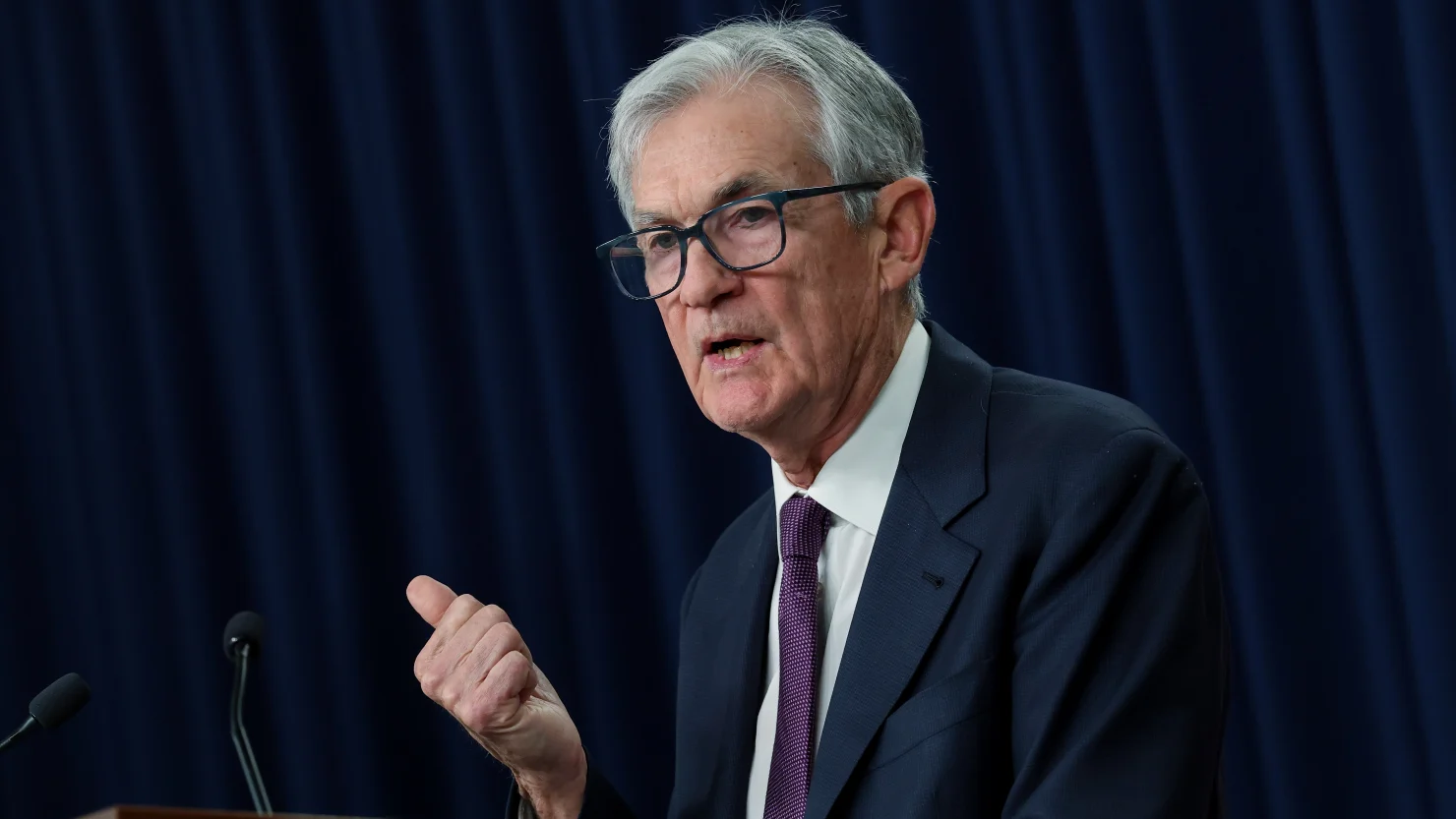
Even Jerome Powell has been careful not to jump the gun. He’s warned that reacting too quickly to a short-term spike in energy prices could backfire, especially given how long it takes for rate changes to ripple through the economy.
So for now, the Fed is holding its ground.
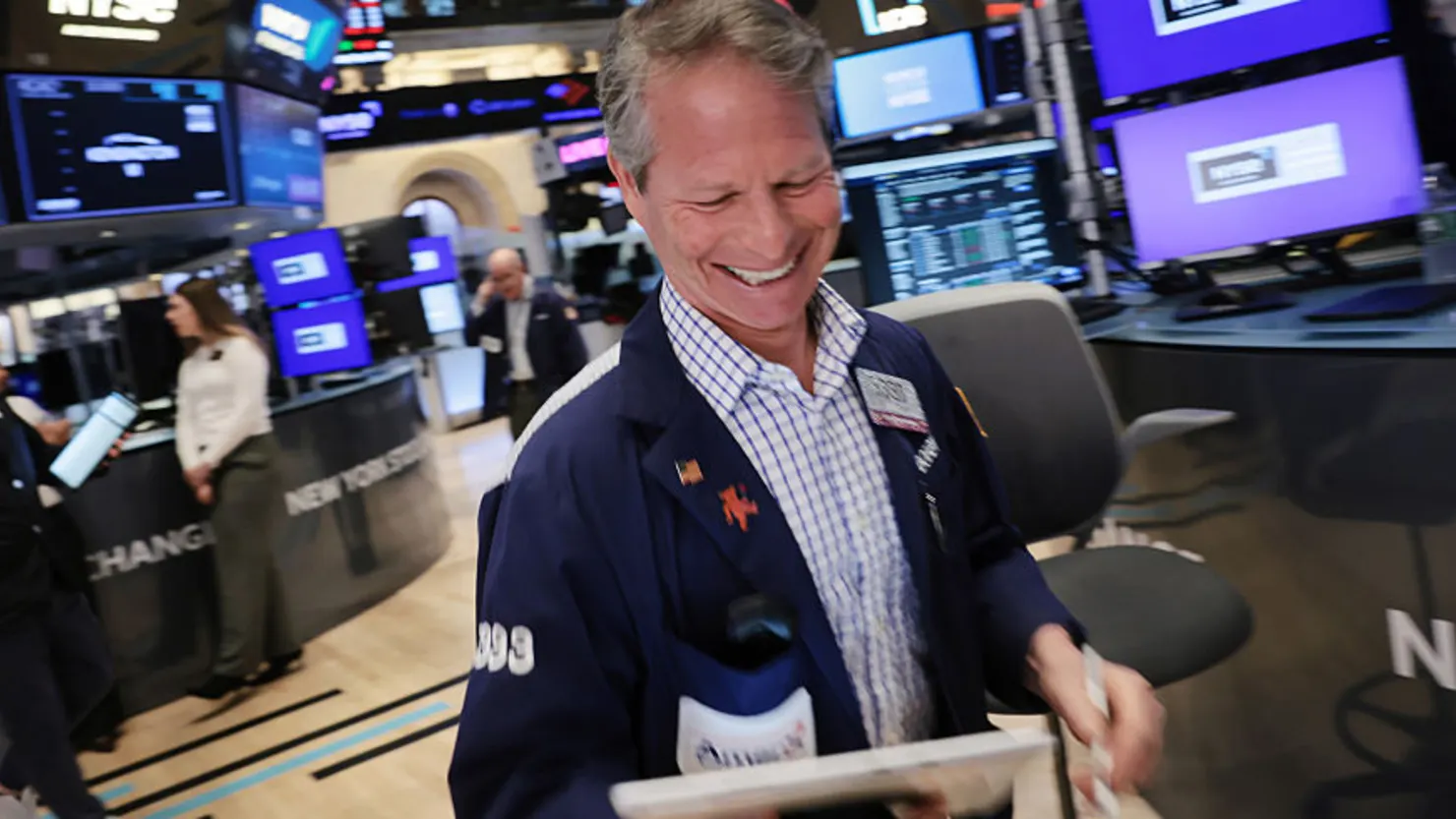
Markets, meanwhile, are trying to read between the lines. Before the recent ceasefire, traders had started betting that rising oil prices could force the Fed to keep rates higher for longer – or even hike again. The temporary pause in fighting cooled some of those fears, but not all of them.
There’s still a lot of uncertainty baked in.
Economic growth isn’t exactly roaring either. GDP has been soft, and some on Wall Street are quietly bracing for a downturn. If that slowdown deepens while inflation stays elevated, the Fed could find itself stuck between two bad options – tightening into weakness or easing into inflation.
For now, policymakers aren’t choosing. They’re watching, waiting, and keeping their options open.
The next move could still be a cut. Or it might not come for a while. A hike isn’t off the table either.
That’s where things stand: no rush, no clear path, and a central bank trying to make sense of a world that keeps changing faster than its models can keep up.


The latest news in your social feeds
Subscribe to our social media platforms to stay tuned