






Bloomberg, Politico, BBC, Fortune, and the New York Times contributed to this report.
Oil markets tried to catch their breath after a wild swing – and then snapped right back to worrying.
Prices initially plunged after President Donald Trump announced a two-week ceasefire with Iran, raising hopes that the critical Strait of Hormuz would reopen and calm global energy flows. That relief didn’t last long. By Thursday, crude was climbing again, with traders increasingly uneasy about whether the deal will hold – and whether ships can actually move through the region.
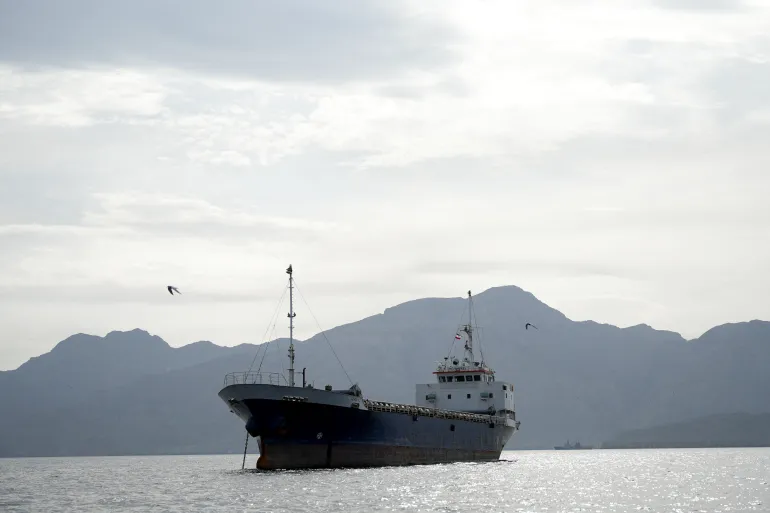
At the center of it all is the Strait of Hormuz, a narrow waterway that carries roughly a fifth of the world’s oil. On paper, the ceasefire included a pathway to reopen it. In reality, traffic remains sluggish, patchy, and risky. Only a handful of vessels have crossed since the announcement, far below normal levels.
And the threats haven’t stopped. Iranian officials have warned the strait could shut again if Israeli strikes continue elsewhere in the region. That alone is enough to keep markets on edge.
The result: oil is still well above pre-war levels, even after the brief sell-off. Since the conflict began, crude has surged sharply, feeding into higher fuel costs that consumers are already feeling.
Back in Washington, Republicans largely cheered the ceasefire but sidestepped the energy question. Some, like Senator John Hoeven, urged caution, stressing the need to ensure Iran follows through on reopening the route. Others focused on the broader geopolitical win, leaving oil volatility mostly unaddressed.
A few voices raised red flags. Concerns are growing that Iran could end up with more leverage over the strait than before – potentially even charging ships for passage. That prospect has rattled industry players, who warn it could reshape global shipping costs for years.
Democrats, meanwhile, aren’t buying the optimism. Senate Majority Leader Chuck Schumer argued the damage is already done, pointing to surging gas prices and warning that markets could stay unstable long after the ceasefire expires. Others echoed that sentiment, saying the disruption to supply chains won’t be fixed overnight.
Even if the strait fully reopens tomorrow, there’s a backlog to clear. Analysts say it could take weeks just to move stranded cargo, and months for trade flows to look anything like normal again.
Markets are reacting accordingly. Stocks gave back some of their earlier gains, while oil ticked higher. Investors who had piled into the “ceasefire rally” are now dialing back expectations, unsure whether this is a pause – or just the calm before another spike.
For drivers, the message is simple: don’t expect relief at the pump anytime soon. Fuel prices tend to lag crude movements, and with oil still elevated and supply routes uncertain, any drop will likely be slow and limited.
The bigger picture is even murkier. Analysts say the most likely outcomes range from prolonged disruption – with Iran holding more sway over global energy flows – to a renewed escalation that sends prices even higher.
There is a best-case scenario, where shipments normalize and markets stabilize. But even that would take time, and right now, traders aren’t betting on smooth sailing.
For now, oil is doing what it does best in a crisis: swinging fast, reacting to headlines, and reminding everyone just how fragile the global energy system can be.


The latest news in your social feeds
Subscribe to our social media platforms to stay tuned