






CNBC, CNN, PBS News, the Wall Street Journal, Reuters, and Bloomberg contributed to this report.
Markets finally caught a break – and they didn’t waste it.
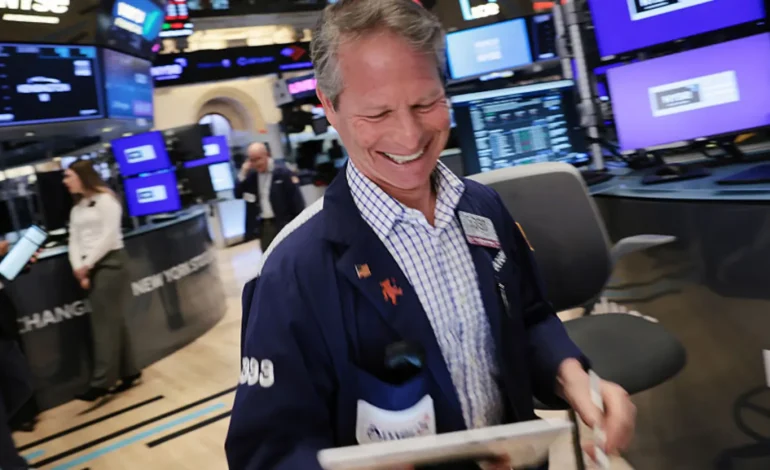
Stocks ripped higher on Wednesday after Donald Trump hit pause on planned strikes against Iran, easing fears around a five-week conflict that had choked off a key artery for global energy supplies. Investors had been bracing for worse. Instead, they got a breather.
The Dow Jones Industrial Average surged 1,325 points, up 2.85%, logging its strongest day since April 2025. The S&P 500 climbed 2.5%, while the Nasdaq Composite jumped nearly 3%. It was broad, fast, and fueled by relief.
Oil told the same story – just in reverse. US crude prices cratered more than 16%, settling near $94 a barrel, their steepest one-day drop in years. Global benchmark Brent wasn’t far behind, sliding about 13%. For a market that had been gripped by supply fears tied to the Strait of Hormuz, the sudden shift felt dramatic.
Trump’s message was blunt: a two-week halt to attacks, tied to Iran reopening the strait. Tehran signaled it was on board – at least for now – saying shipping could resume under military coordination. Israel, according to reports, signed onto the pause as well.
Investors had already started leaning in that direction. Stocks barely flinched the day before, even as rhetoric escalated. By Wednesday, the market was moving like it had been expecting this pivot all along.
Still, the fine print matters. The ceasefire is temporary. And fragile. Iranian officials have already accused Washington of violating the agreement, while fresh strikes tied to tensions in Lebanon have muddied the outlook. At one point, Iranian media even suggested the strait had been shut again – a reminder that nothing here is settled.
That uncertainty didn’t stop traders from piling into beaten-down sectors. Chip stocks, hammered by supply chain fears, bounced hard. The VanEck Semiconductor ETF jumped more than 5%, with names like Broadcom and Micron Technology posting even bigger gains.
Energy stocks moved the other way. Oil giants that had rallied during the conflict – including Exxon Mobil and Chevron – slipped as crude prices fell back.
Globally, the reaction was even sharper. Markets more exposed to imported energy surged, with emerging market equities climbing over 5% and South Korean stocks spiking double digits. Relief travels fast when energy costs suddenly drop.
But there’s a catch. Actually, several.
Even with oil plunging, gasoline prices won’t follow overnight. Analysts say it could take weeks before drivers feel meaningful relief – and months before prices return to pre-war levels, if they do at all. The supply chain is still tangled. Infrastructure across the Gulf has taken hits. Production doesn’t just snap back.
And then there’s the core question: can ships move safely through the Strait of Hormuz again?
That’s the real test. Roughly a fifth of the world’s oil flows through that narrow passage. If tankers hesitate – or insurers balk – the supply crunch lingers, no matter what politicians say.
For now, though, the market is choosing optimism. Traders are betting this pause might lead somewhere, or at least buy time. Some are even reviving the old “TACO” theory – that Trump’s toughest threats tend to soften before they land.
Whether that holds is anyone’s guess.
What’s clear is that volatility isn’t going anywhere. Markets have been whipsawed by headlines for weeks, and that dynamic hasn’t changed. A single statement can still send oil – and stocks – swinging.
Wednesday’s rally was powerful. Convincing, even. But it came with a quiet understanding: this story isn’t over. Not by a long shot.



The latest news in your social feeds
Subscribe to our social media platforms to stay tuned