




With input from Bloomberg and AlJazeera.
The ceasefire may be holding – for now – but don’t expect your energy bill to drop anytime soon.
Analysts say oil and gas prices could take months to settle, even after the pause in fighting between Iran, the United States and Israel. The reason is simple: markets don’t run on announcements, they run on movement. And right now, movement through one of the world’s most critical chokepoints is anything but normal.
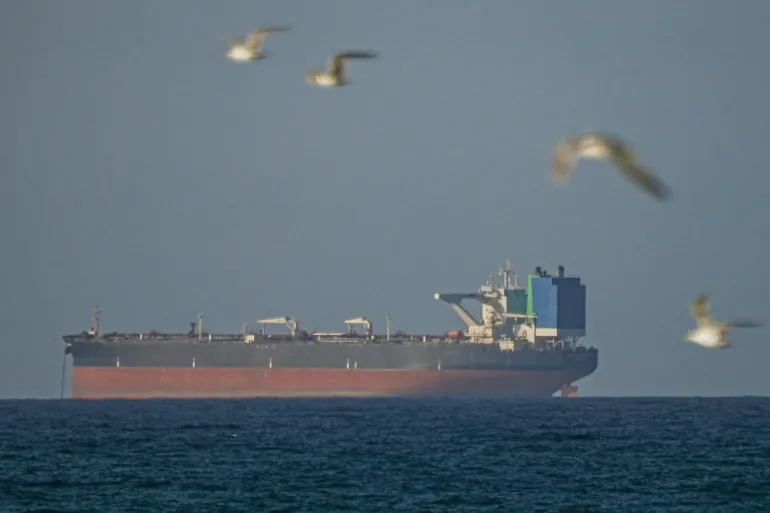
The Strait of Hormuz – where roughly a fifth of global oil and gas exports pass – has become the centre of the disruption. Iran’s move to restrict traffic there, combined with attacks on energy infrastructure across the Gulf, has thrown supply chains into disarray. Prices didn’t just spike for fuel; knock-on effects hit everything from fertilisers to industrial gases like helium, pushing costs up across multiple sectors.
A ceasefire doesn’t instantly fix that.
Experts say stability hinges on one thing: a steady, predictable flow of cargo through the strait. Until tankers can move freely and consistently, markets will remain jittery. Before the conflict, over a hundred ships crossed the waterway daily. This week, that number dropped to single digits. That gap tells its own story.
“There’s no clear timeline,” said maritime analyst Rockford Weitz.
In his view, the disruption is unlike anything seen before in global oil markets. Getting back to normal isn’t just about reopening a route – it requires coordination between major powers and regional players, all with competing interests.
Even where traffic has resumed, the system is under strain. Early signs suggest bottlenecks and delays are already forming. Some producers, including Iraq, halted output during the crisis due to storage limits. Restarting those operations won’t happen overnight. Weeks, possibly months, before supply lines fully recover.
Liquefied natural gas faces an even longer road. Damage to infrastructure and logistical snags could stretch recovery timelines to three to six months – assuming nothing else goes wrong. That’s a big assumption.
There’s also fresh uncertainty creeping in. Reports that Iran may charge tankers millions to pass through the strait have raised eyebrows, along with soaring insurance premiums. Still, analysts say those costs aren’t the main driver. The real issue is access – getting ships through at all.
Meanwhile, the economic ripple effects are spreading. The International Monetary Fund is already warning of slower global growth, even if the ceasefire holds. Energy shocks tend to linger, and this one is feeding into broader uncertainty across markets.
Geopolitics is adding another layer. Some countries are adjusting quickly – Russia, for instance, has benefited from higher demand and shifting trade flows. Others are scrambling to secure supply, sometimes paying steep premiums. Temporary policy shifts, like eased sanctions, are reshaping the market in real time.
There may be short bursts of relief ahead. Stored oil could be released, and some production facilities might come back online sooner than expected. But analysts caution that any dip in prices would likely be brief.
For now, the mood in energy markets is cautious at best. The ceasefire has stopped the immediate escalation, but the system it disrupted is still far from repaired. And until ships are moving smoothly again through Hormuz, prices are likely to stay elevated – and unpredictable.



The latest news in your social feeds
Subscribe to our social media platforms to stay tuned