


CNN, FOX Business, the Washington Post, ABC News, and Bloomberg contributed to this report.
The war with Iran isn’t just shaking global markets – it’s hitting Americans where it hurts: their wallets.
From mortgages to car loans to credit cards, borrowing is getting more expensive. And it’s happening fast.
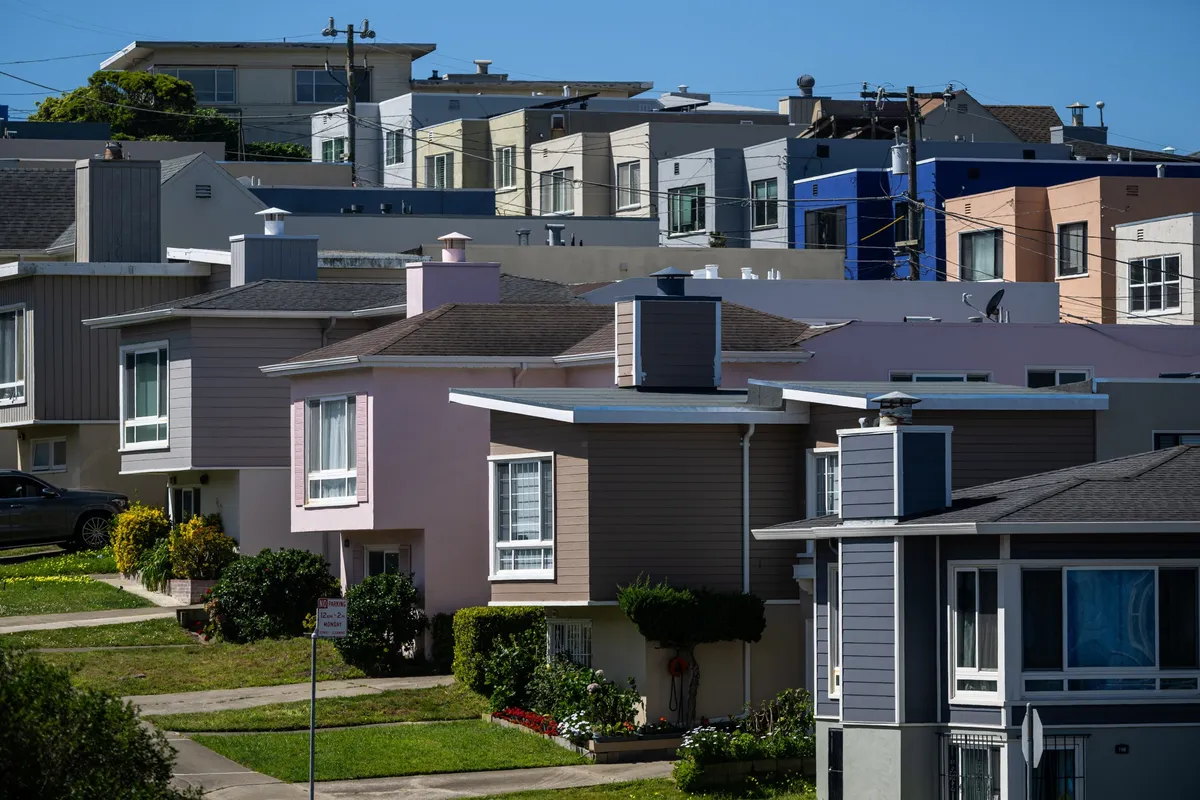
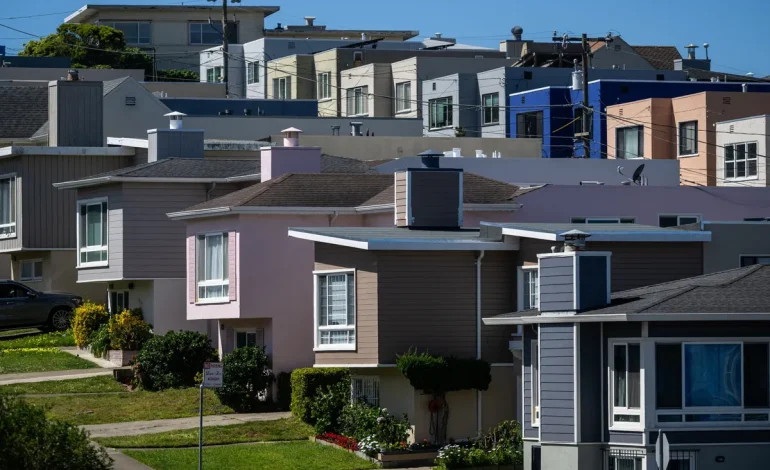
Start with housing. Mortgage rates climbed for five straight weeks after the conflict began, tracking a jump in Treasury yields as investors reacted to rising oil prices, inflation fears, and the growing cost of war. Rates eased slightly this week, with the average 30-year fixed mortgage slipping to 6.37%, according to Freddie Mac. But that’s still a noticeable jump from late February, when rates briefly dipped below 6%.
That difference adds up. On a $500,000 home with a typical down payment, today’s buyer could end up paying more than $36,000 extra over the life of the loan compared to someone who locked in a rate just weeks earlier. Monthly payments are higher, too – not dramatically, but enough to sting over time.
Behind it all is the 10-year Treasury yield, a key benchmark for borrowing costs across the economy. It surged from under 4% before the war to as high as 4.48% in March, before settling around 4.3%. When yields climb, loans follow.
Investors are bracing for a longer conflict. That’s the real driver. If oil supply stays tight, inflation pressure builds – and borrowing costs tend to stick.
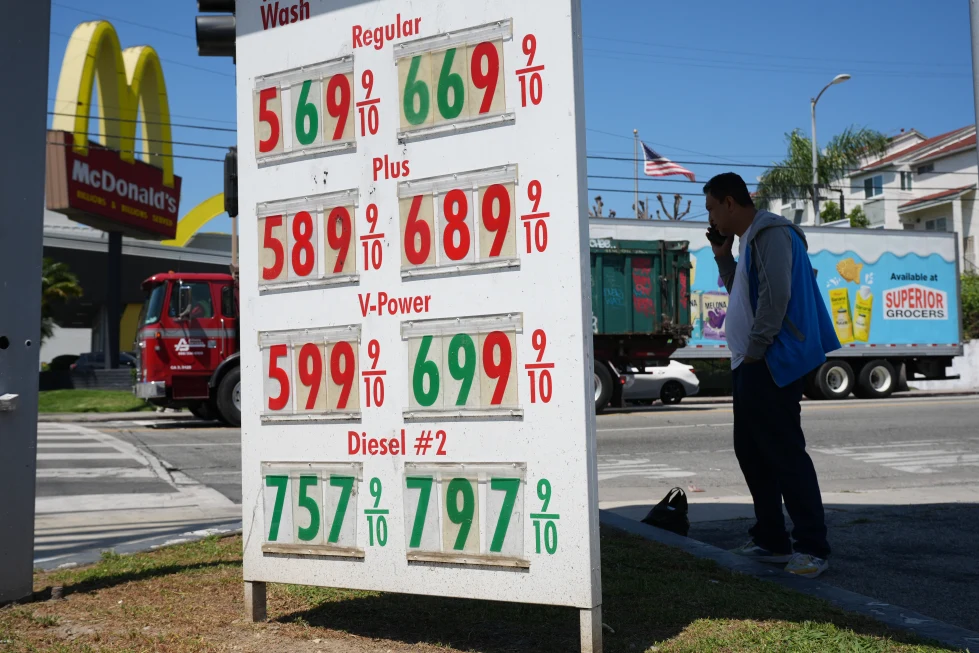
Cars aren’t immune either. Auto loan rates haven’t spiked as sharply, but they’re already sitting near multi-year highs. The average rate on a five-year car loan hovers around 7%, translating to roughly $594 a month on a $30,000 loan. Not cheap, especially with car prices still elevated and gas costs climbing at the same time.
There’s a sense that rates may stay stuck here for a while. Bond yields remain high, and uncertainty around the conflict isn’t going away.
Then there’s credit cards – the most immediate pressure point for many households. Rates are already above 19% on average, and they’re not likely to fall anytime soon. Markets have pulled back expectations for Federal Reserve rate cuts this year, meaning borrowing costs could stay elevated longer than consumers hoped.
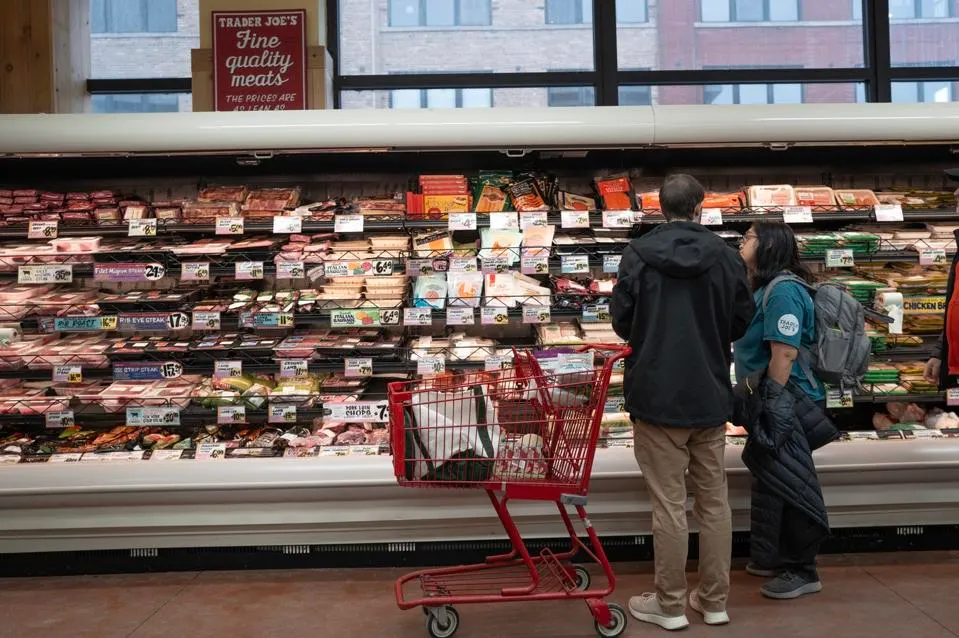
That creates a squeeze. Everyday purchases – groceries, gas, basic expenses – increasingly land on credit cards, where interest piles up quickly.
There was a brief moment of relief this week after a two-week ceasefire between the US and Iran was announced. Treasury yields dipped slightly, and mortgage rates followed. Still, few expect that calm to last unless there’s a more permanent resolution.
For now, the uncertainty is doing the damage. Higher oil prices ripple through inflation expectations. Inflation feeds into interest rates. And interest rates shape nearly every major financial decision Americans make.
The result is subtle but persistent: higher monthly payments, pricier loans, and a little less room to breathe.



The latest news in your social feeds
Subscribe to our social media platforms to stay tuned