




The Wall Street Journal, CNBC, AP, Bloomberg, Reuters, Market Watch contributed to this report.
Wall Street kept the rally going – even with oil climbing again.
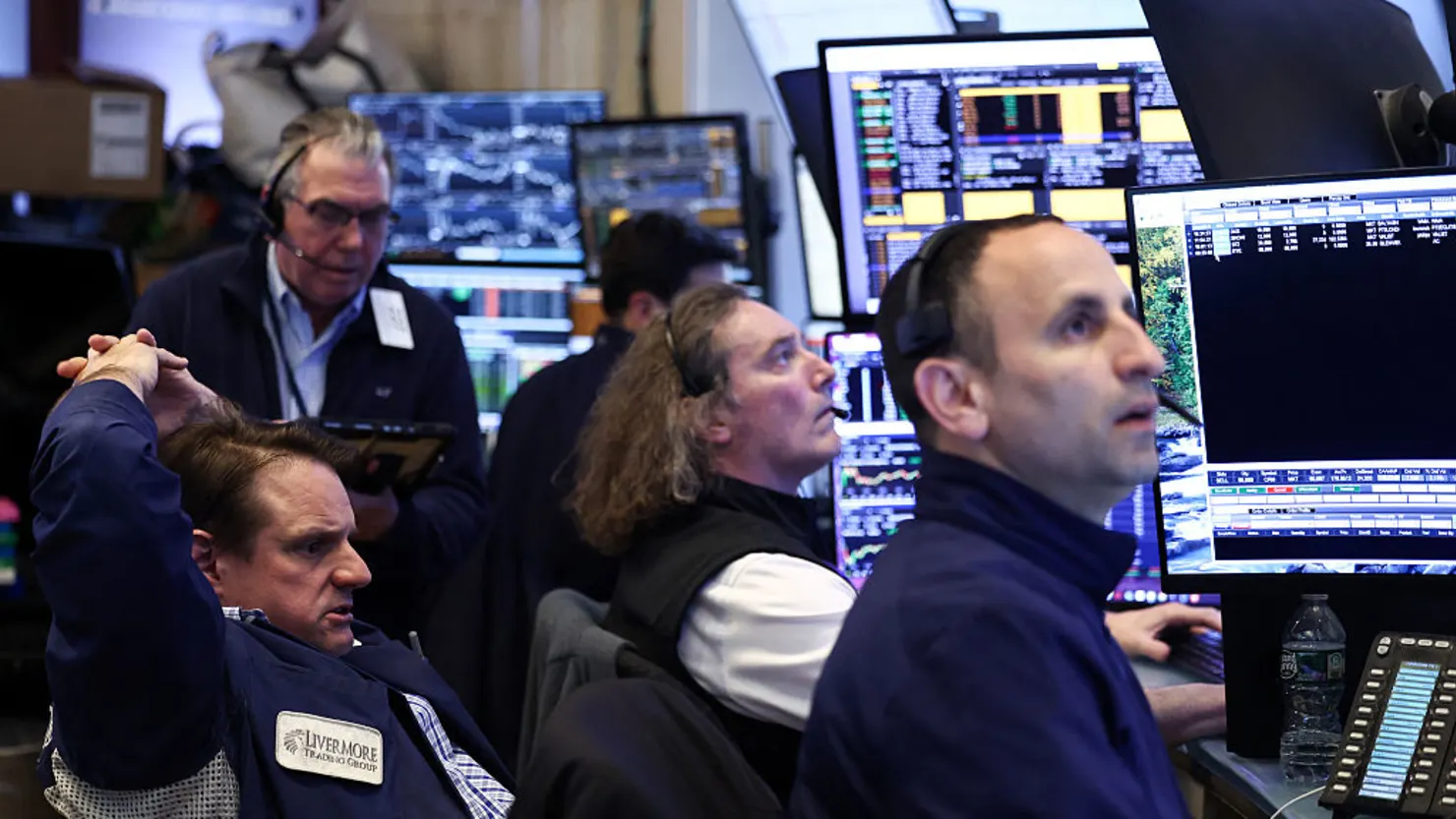
US stocks rose for a second straight day Thursday as investors held onto cautious optimism that the shaky two-week ceasefire between the US and Iran might actually stick. The S&P 500 gained about 0.8%, while the Nasdaq Composite added roughly 0.9%. The Dow Jones Industrial Average jumped close to 400 points.
It wasn’t a smooth ride. Stocks dipped early, tracking losses in Europe and Asia, before turning higher as headlines out of the Middle East shifted again. News that Israel could open direct talks with Lebanon helped steady nerves, even as tensions around the ceasefire remained unresolved.
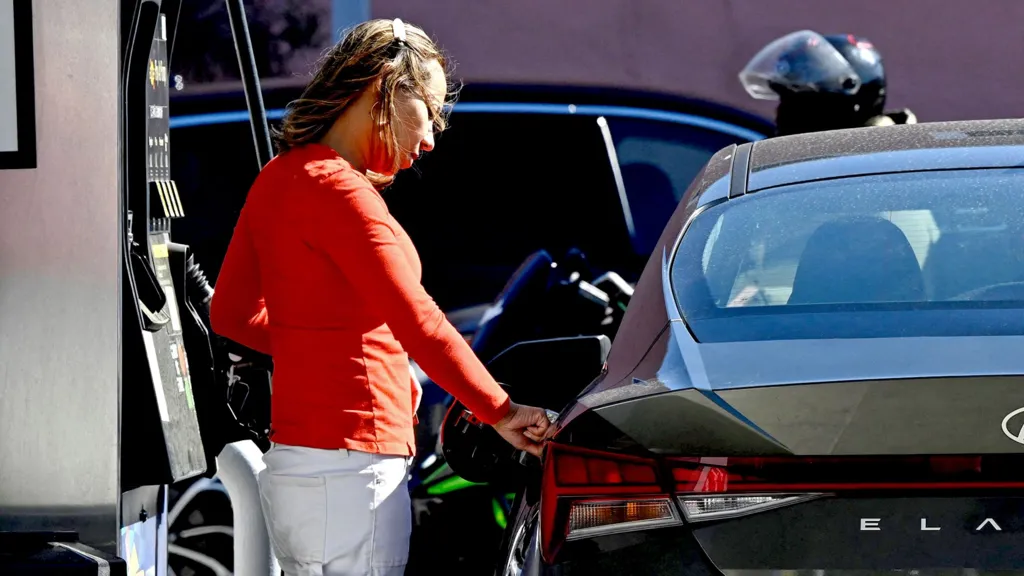
Oil told a different story. Prices climbed back toward triple digits, with US crude hovering near $97 a barrel after briefly topping $100 earlier in the session. The message from energy markets hasn’t changed much: the situation is far from settled.
At the center of the uncertainty is the Strait of Hormuz – still the choke point for global oil flows. The ceasefire agreement hinges on keeping it open, but traffic hasn’t meaningfully picked up. Only a trickle of ships is moving through, and not many are carrying oil.
That disconnect is keeping traders on edge. Relief rally or not, the supply risk is still there.
Back on Wall Street, a few big movers helped lift the broader market. Meta Platforms jumped more than 3% after unveiling a new AI model, giving tech stocks another boost. Defensive names also quietly climbed – Walmart edged higher, and utilities like Constellation Energy gained ground.
The gains build on Wednesday’s surge, when major indexes jumped more than 2% in a broad relief rally after the ceasefire announcement.
Still, the optimism comes with caveats. The agreement between Washington and Tehran is conditional and fragile. Iran has said the strait will stay open only if attacks stop entirely. Meanwhile, US forces remain in the region, and President Donald Trump has warned of a strong response if the deal breaks down.
Markets are trying to price in a best-case scenario – that tensions cool and energy flows normalize. But that outcome is far from guaranteed.
Strategists say the longer the Strait of Hormuz stays partially shut, the harder it becomes to untangle the backlog and restore normal supply. Even without renewed fighting, delays could stretch for weeks.
There’s also the inflation angle hanging over everything. Oil’s rebound is already feeding concerns that higher energy prices could keep inflation elevated, complicating the Federal Reserve’s plans to cut interest rates. Some policymakers are even starting to float the possibility that the next move might not be a cut at all.
For now, though, markets are leaning into the idea that the worst might be avoided. Stocks are climbing, oil is volatile, and investors are watching every headline out of the Middle East like it could flip the narrative – because it probably can.


The latest news in your social feeds
Subscribe to our social media platforms to stay tuned