




The Guardian, the Financial Times, Bloomberg, and Anthropic contributed to this report.
Some of the most powerful figures in American finance were quietly called to Washington this week. The topic wasn’t interest rates or inflation – it was AI, and the risks that may come with it.
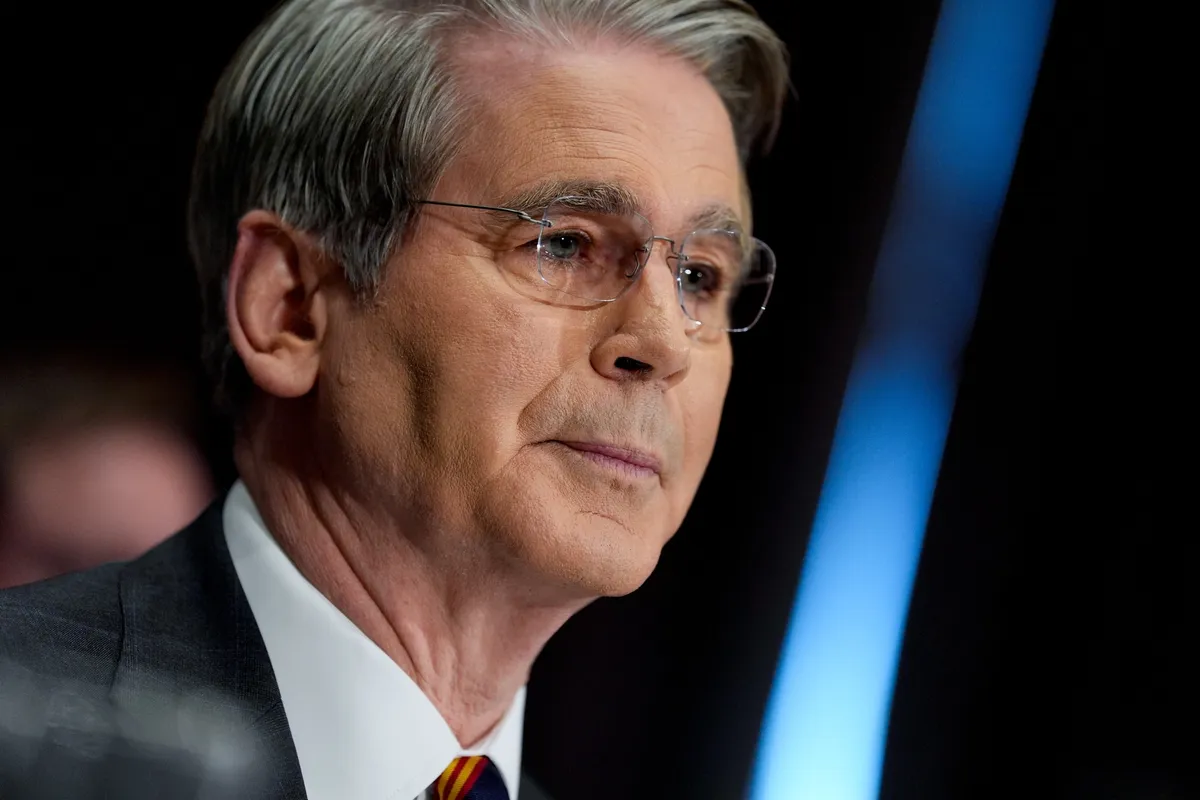
US Treasury Secretary Scott Bessent reportedly convened a closed-door meeting with major bank chiefs after concerns surfaced about a new artificial intelligence model developed by Anthropic. The model, known as Claude Mythos, has raised alarms over its potential to expose and exploit software weaknesses at a scale few had anticipated.
Among those said to be in the room: Federal Reserve chair Jerome Powell, along with a lineup of Wall Street heavyweights. David Solomon, Brian Moynihan, Jane Fraser, Ted Pick and Charlie Scharf were all reported to have attended. Jamie Dimon was invited but didn’t make it.
The timing wasn’t accidental. Bank leaders were already in the capital for industry meetings, making it easier to gather the heads of institutions regulators consider too important to fail. Any serious cyber disruption at one of these firms wouldn’t stay contained – it could ripple through the entire financial system.
What’s spooking officials is what Anthropic itself has been saying. After a leak involving the model’s code, the company acknowledged that advanced AI systems are now outperforming most humans when it comes to identifying and exploiting software vulnerabilities. The implications stretch well beyond tech circles – into banking, infrastructure, and national security.
Claude Mythos hasn’t been released publicly. That’s deliberate. Anthropic has restricted access to a small group of major tech players, including Amazon, Apple and Microsoft, along with firms like Cisco and Broadcom. Even the Linux Foundation has been given a look. For a company that has typically pushed its models out more broadly, this marks a sharp change in approach.
Behind that caution is a striking claim: the AI has already uncovered thousands of vulnerabilities in widely used software, including some that have gone unnoticed for decades. In one case, flaws dating back nearly 30 years were flagged – issues that neither developers nor security teams had caught.
That kind of capability cuts both ways. In the right hands, it could strengthen defenses. In the wrong ones, it becomes a powerful tool for hackers – helping crack passwords, bypass encryption, or find weak points faster than ever before.
Bank executives aren’t taking that lightly. In his latest letter to shareholders, Dimon warned that cybersecurity remains one of the biggest threats facing the financial sector – and that AI is likely to amplify it.
The backdrop adds another layer of tension. Just weeks ago, the US government labeled Anthropic a potential supply chain risk, a designation the company is now challenging in court. Against that backdrop, the urgency of this week’s meeting becomes easier to understand.
No one involved is saying much publicly. The Treasury stayed silent, while the Federal Reserve, Anthropic and the banks declined to comment.
Still, the message behind closed doors seems clear: AI isn’t just a productivity tool anymore. It’s becoming a security concern at the highest levels of finance – and fast.



The latest news in your social feeds
Subscribe to our social media platforms to stay tuned