

US holds firm on enrichment as Iran talks approach
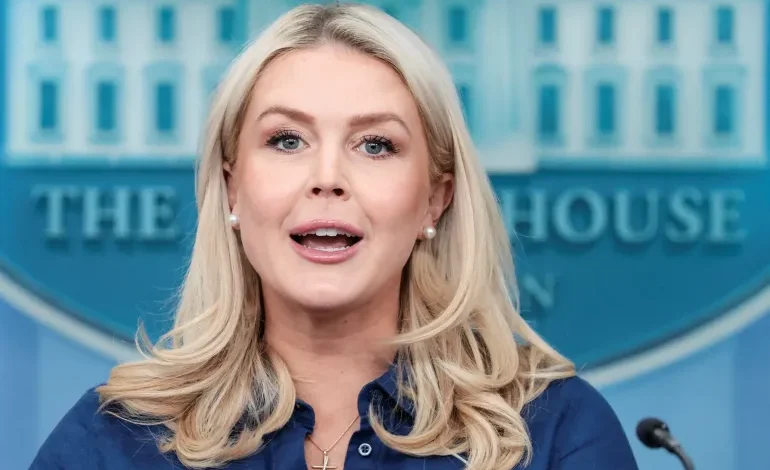

The United States is heading into renewed talks with Iran while making clear that one of its core demands has not shifted: no uranium enrichment on Iranian soil.
The message from the White House comes as Washington and Tehran prepare for negotiations following a fragile two-week ceasefire in the US-Israel war on Iran. While both sides have signaled some openness to dialogue, the gap between their positions remains visible — and unresolved.
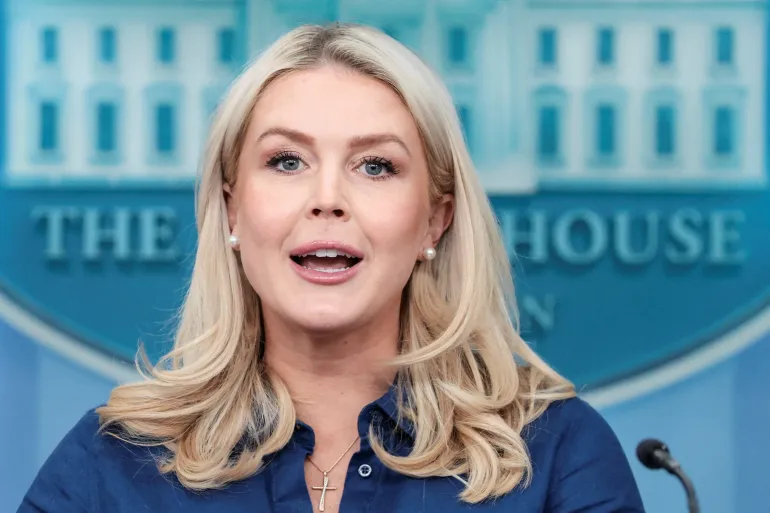
Trump’s spokesperson Karoline Leavitt sought to draw a line between what Iran publicly presented and what the US says it actually received.
“The president’s red lines, namely the end of Iranian enrichment in Iran, have not changed,” she said.
That issue has long been at the centre of tensions. Iran insists enrichment is a sovereign right and maintains its nuclear programme is civilian. The US position, under Trump, is more absolute — pushing for dismantling the programme entirely.
The disagreement sharpened around a reported 10-point proposal from Tehran. According to Leavitt, the version circulating publicly — which included recognition of Iran’s enrichment rights, sanctions relief and a permanent halt to attacks — does not reflect what Washington is willing to consider.
“Iran’s initial 10-point proposal was ‘literally thrown in the garbage’,” she said, adding that a revised version was later submitted.
“The idea that President Trump would ever accept an Iranian wish list as a deal is completely absurd.”
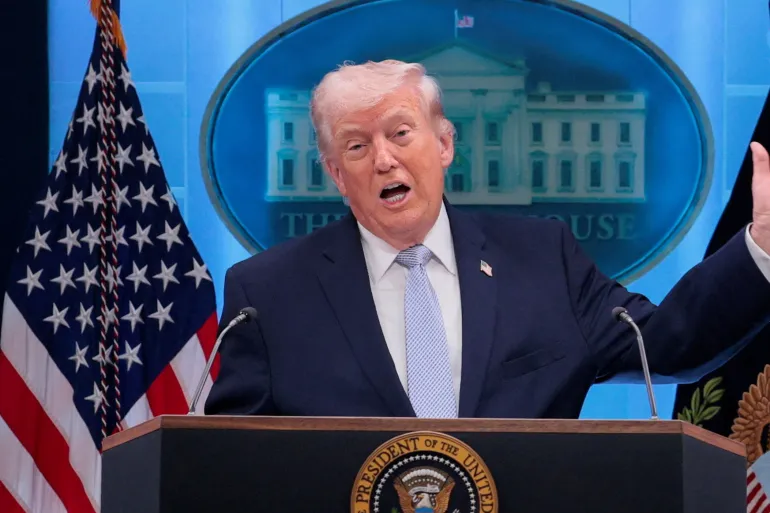
At the same time, Trump himself struck a slightly more flexible tone, describing the proposal as a “workable basis on which to negotiate”. The contrast suggests that while talks are moving forward, they are doing so with carefully managed expectations.
The ceasefire itself has created a narrow window for diplomacy. Under its terms, the US has paused strikes, while Iran has reopened the Strait of Hormuz — a move that eased immediate pressure on global energy markets. Washington has tied continued engagement to that condition.
Leavitt said talks would proceed “so long as the Strait of Hormuz remains open with no limitations or delays”.
The first round is set to take place in Islamabad, with a senior US delegation including Vice President JD Vance, envoy Steve Witkoff and Jared Kushner.
But even before negotiations begin, doubts are surfacing. Iran’s Parliament Speaker Mohammad Bagher Ghalibaf has questioned whether the ceasefire is holding in practice, pointing to ongoing developments in the region.
“Now, the very ‘workable basis on which to negotiate’ has been openly and clearly violated, even before the negotiations began. In such [a] situation, a bilateral ceasefire or negotiations is unreasonable,” he said.


The latest news in your social feeds
Subscribe to our social media platforms to stay tuned