




With input from CNBC, Forbes, Market Watch, the Wall Street Journal, CNN, Bloomberg, and Reuters.
The mood among US consumers just hit a wall – and it’s a deep one.
Confidence collapsed in April, falling to the lowest level ever recorded in the long-running University of Michigan survey. The headline sentiment index dropped to 47.6, a steep fall from March and well below what economists expected. That’s worse than the lows seen during the financial crisis, the pandemic, and even the post-inflation shock of recent years.
Behind the drop is a familiar culprit: rising prices. But this time, there’s a clear trigger. The Iran war—and the spike in energy costs that came with it – has rattled households in a way that’s cutting straight through to expectations about the economy.
Consumers now expect inflation to hit 4.8% over the next year. That’s a full percentage point jump in just one month, the biggest increase since last year’s tariff shock. Longer-term expectations edged higher too, though less dramatically, ticking up to 3.4%.
It’s not just numbers on a page. People are feeling it.
Survey responses show widespread uncertainty about higher fuel costs, weaker personal finances and the broader economic fallout from the conflict. Assessments of current conditions dropped sharply, while expectations for the future took an even bigger hit. According to survey director Joanne Hsu, many respondents directly blamed the Iran conflict for what they see as a worsening outlook.
Timing adds another layer. Nearly all of the survey responses were collected before the recent ceasefire announcement. So what we’re seeing is a snapshot of peak anxiety – before any sense, however fragile, that tensions might cool.
There are early hints that things could stabilise. If supply disruptions ease and gas prices come down, sentiment might recover. But that’s a big “if,” especially with the ceasefire still looking shaky and oil markets far from settled.
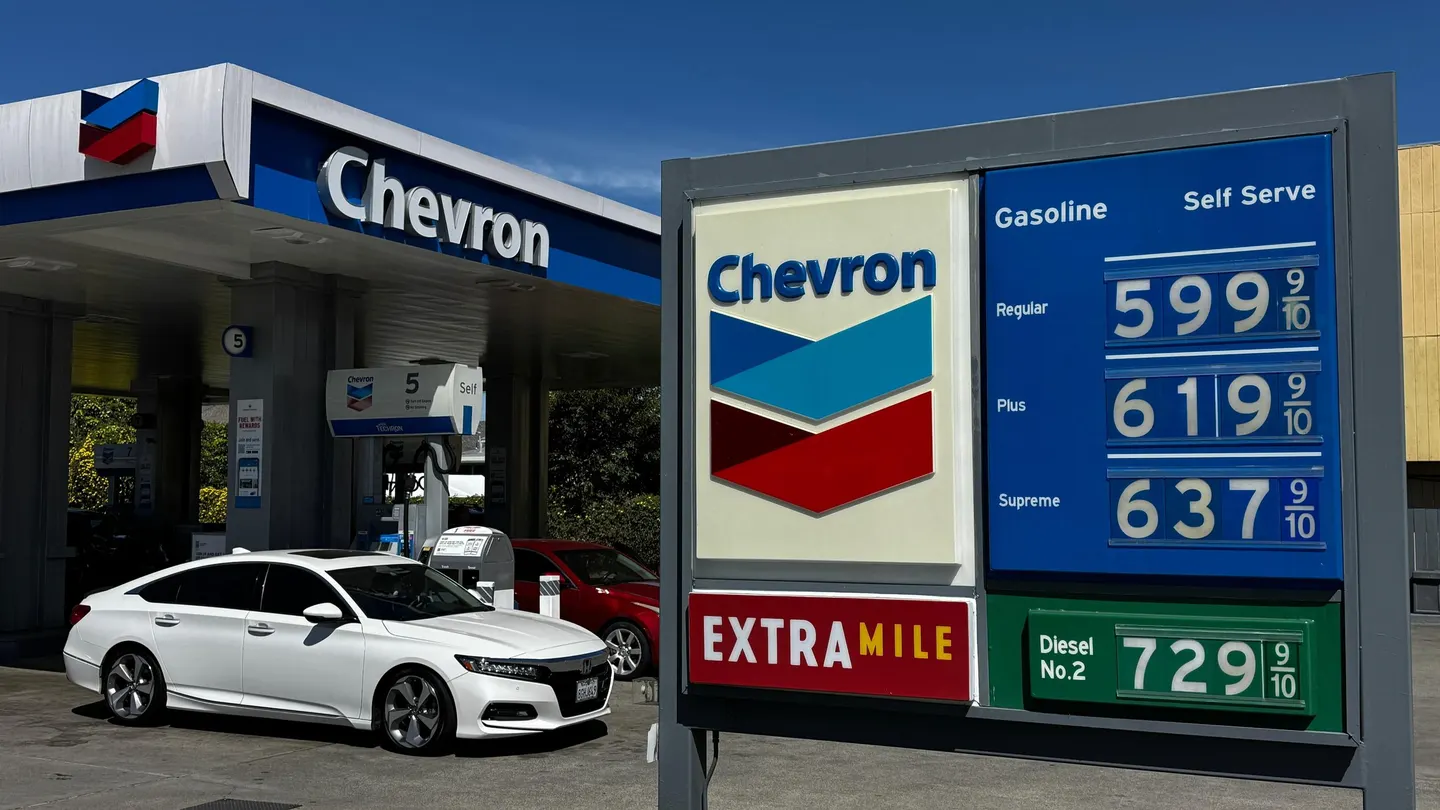
Fresh inflation data underscores why people are nervous. The Bureau of Labor Statistics reported that consumer prices rose 0.9% in March, pushing the annual rate to 3.3%. Energy was the main driver again, with the index jumping 10.9% in a single month – the biggest surge in years. Gasoline and fuel oil prices soared, hitting households directly.
That kind of pressure tends to linger. And once expectations shift upward, they can be hard to bring back down.
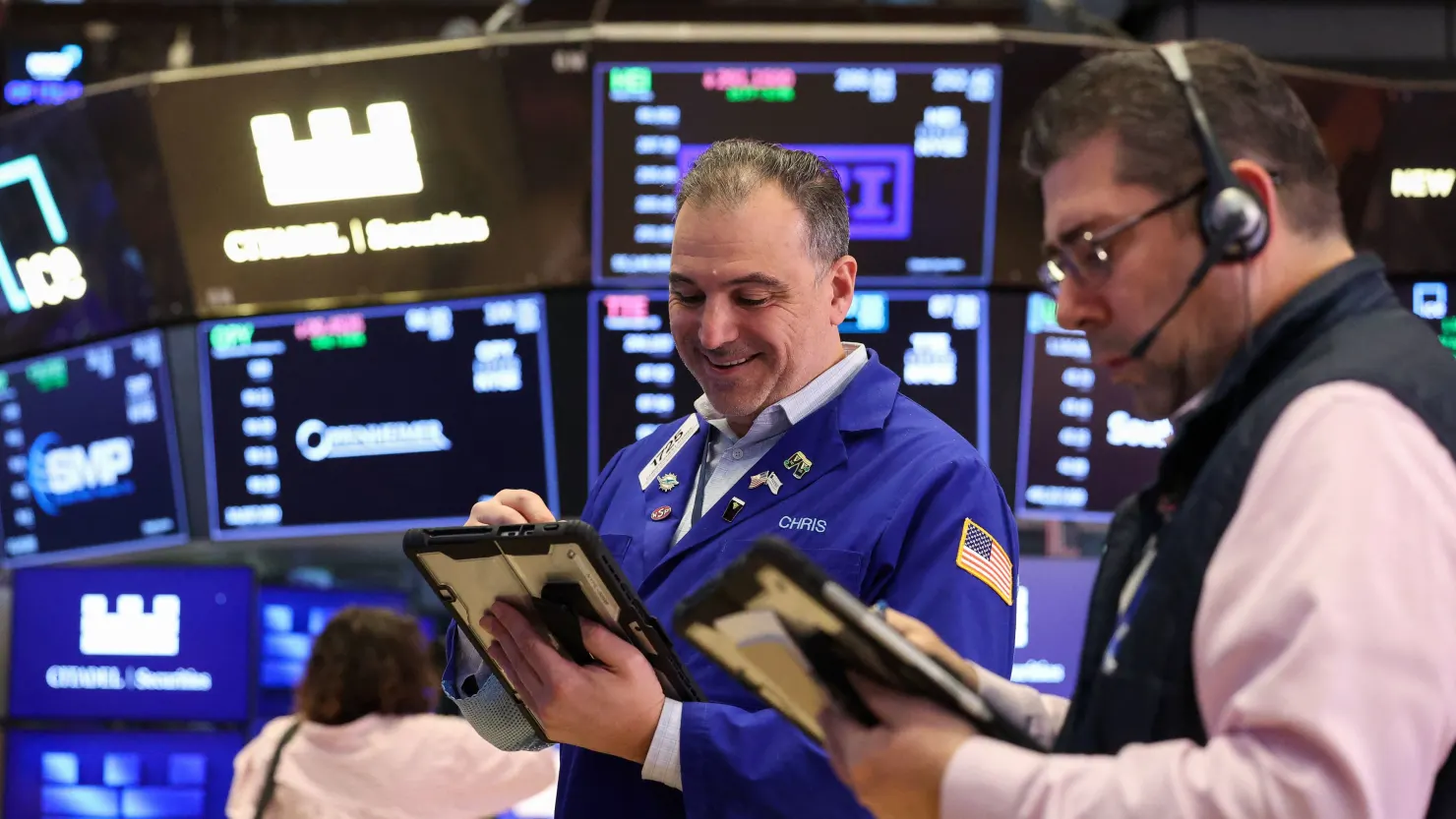
Economists are watching closely – not just the sentiment itself, but what comes next. Consumer spending makes up roughly two-thirds of the US economy. If Americans start pulling back, businesses feel it quickly, and growth can slow just as fast.
For now, spending hasn’t cracked. The job market is still holding up, unemployment remains relatively low, and companies aren’t rushing to cut staff. That’s keeping the eonomy from tipping over.
But the risk is building.
If layoffs start to rise or prices keep climbing, the current pessimism could turn into something more tangible. As one analyst put it, negative sentiment is just one channel through which the Iran conflict is feeding into the economy – and likely not the last.
For the moment, the takeaway is simple: Americans are uneasy, and the war is starting to show up in how they think about money, prices and the months ahead.


The latest news in your social feeds
Subscribe to our social media platforms to stay tuned