





CNN, NBC News, CNBC, and AP contributed to this report.
Inflation didn’t creep up in March – it jumped. Hard.
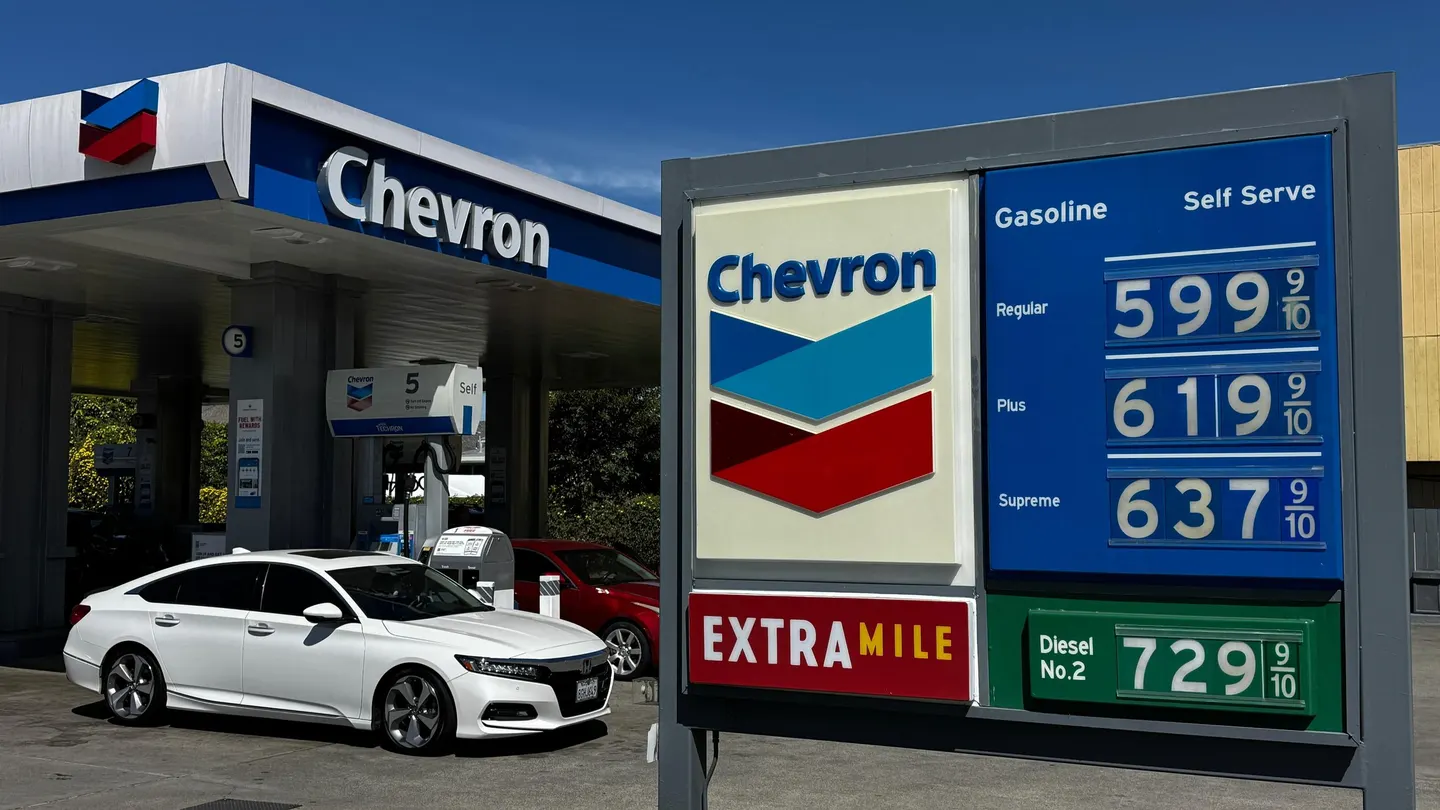
Fresh data shows consumer prices climbed 0.9% over the month, pushing the annual inflation rate to 3.3%, the highest in nearly two years. The culprit isn’t subtle. Gasoline prices surged 21.2% in a single month – the biggest spike at the pump since 1967 – and did most of the heavy lifting in driving inflation higher.
This is what a war-driven price shock looks like in real time.
Fuel costs didn’t just edge up; they ripped higher across the board. Gas hit levels not seen since the pandemic era, while diesel and jet fuel broke records. Even with a fragile two-week ceasefire in place, prices haven’t meaningfully cooled. As of Friday, gas was still averaging $4.15 a gallon nationwide, barely off recent highs.
And the ripple effects are only starting to show.
Airlines, delivery firms, and major corporations – from Amazon to logistics giants – are already slapping on fuel surcharges. Those extra costs rarely disappear overnight. Once they’re baked in, they tend to linger, quietly pushing up the price of everything from plane tickets to online orders.
Peter Boockvar, chief investment officer at One Point BFG Wealth Partners, put it bluntly: the real inflation impact hasn’t fully hit yet. Higher energy costs take time to work their way through supply chains – into plastics, packaging, shipping, and eventually store shelves. That process can take months.
Consumers, though, aren’t waiting for the lag.
Wages aren’t keeping up. Average hourly earnings rose just 0.2% in March, which sounds decent until you adjust for inflation. In real terms, pay actually fell 0.6% for the month. That gap – between what people earn and what they spend – is where the pressure builds.
Heather Long, chief economist at Navy Federal Credit Union, didn’t sugarcoat it. Inflation is already swallowing most wage gains, and it’s likely to fully overtake them in the coming months. That means households are being forced into tougher choices – what to cut, what to delay, what to live without.
Still, beneath the headline numbers, there’s a quieter story.
Strip out volatile food and energy prices, and inflation looks far less dramatic. Core prices rose just 0.2% in March and 2.6% over the past year – both slightly below expectations. Some categories even saw outright declines. Medical care costs were flat. Used car prices dropped. Grocery prices dipped slightly, helped by falling egg and meat prices.
That split – between headline inflation and core – matters.
It gives the Federal Reserve some breathing room. Policymakers are likely to look past the energy-driven spike, at least for now, and focus on underlying trends. If core inflation stays contained and long-term expectations don’t spiral, the Fed can afford to stay patient – maybe even consider rate cuts later in the year.
Energy shocks have a habit of spreading. Higher diesel costs push up transportation. Transportation feeds into food prices. Airlines raise fares. Shipping costs climb. Before long, what started at the gas pump shows up almost everywhere.
There are already early signs. Airline fares jumped 2.7% in March. Apparel prices ticked higher. And while grocery prices were stable for now, economists expect that to change as fuel costs filter through distribution networks.
The bigger unknown hangs over everything: how long this lasts.
The war in Iran – and the disruption it triggered, especially around the Strait of Hormuz – has fundamentally altered the trajectory of inflation. What had been a slow, uneven decline is now a sharp reversal. Markets, businesses, and policymakers are all trying to figure out whether this is a short shock or something more persistent.
Some economists lean toward the former. Compared to the post-pandemic inflation surge, today’s environment looks less demand-driven. There’s no flood of stimulus money, no overheated job market. That could limit how far and how long prices rise.
But that doesn’t make the current hit any less painful.
For households, the squeeze is immediate. For businesses, costs are climbing faster than they can adjust. And for policymakers, the balancing act just got harder.
The ceasefire may have paused the fighting. It hasn’t done much for prices – at least not yet.


The latest news in your social feeds
Subscribe to our social media platforms to stay tuned