





The Wall Street Journal, Reuters, CNBC, Investor’s Business Daily, Bloomberg, Market Watch contributed to this report.
After weeks of anxiety over oil prices, Wall Street finally got a clearer picture of how much damage has been done to inflation. The answer: noticeable, but not shocking.
March’s consumer price index showed prices jumped 0.9% from the previous month and 3.3% over the year – the biggest annual rise since mid-2024. Energy did most of the heavy lifting. Gasoline alone accounted for nearly three-quarters of the monthly increase, a direct ripple from the ongoing tensions in the Middle East.
Still, the reaction across markets was… muted.
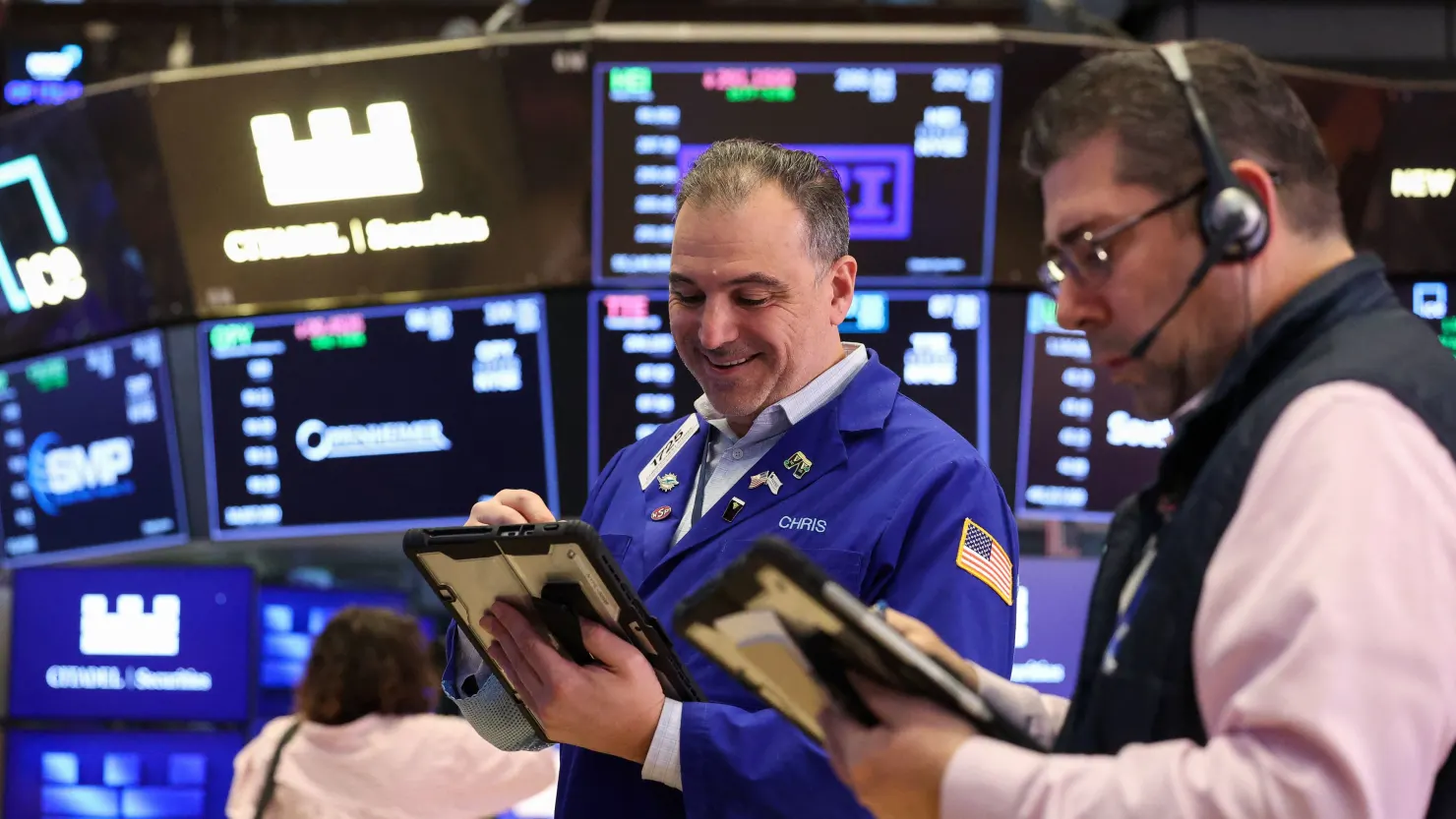
Investors had already braced for a bump, and the data landed pretty much where economists expected. That took some of the sting out. Stocks split directions rather than moving as one. The Nasdaq Composite pushed higher, helped by chip giants like Nvidia and Broadcom, while the Dow Jones Industrial Average slipped about 221 points. The S&P 500 hovered near flat.
Zoom out, though, and the week looks stronger. The S&P 500 is up more than 3%, its best run since November. The Nasdaq is pacing even better, on track for a gain north of 4%. Not exactly panic mode.
Bond yields ticked higher, reflecting a market that isn’t fully convinced inflation is behind us. But strip out energy, and the story softens. Core CPI – often seen as a cleaner read – rose just 0.2% in March and 2.6% year-over-year, coming in below expectations. That’s a very different picture from the headline number.
Even so, confidence is slipping.
A closely watched survey from the University of Michigan showed consumer sentiment dropping to the lowest level in its history. The culprit isn’t hard to find. The Iran war – and the uncertainty around it – is starting to creep into everyday economic expectations. Americans now see inflation hitting 4.8% over the next year, a sharp jump from March.
Energy remains the wild card. Oil prices edged higher again after an early dip, with Brent crude hovering around $97 a barrel and US crude pushing closer to $100. The market is still fixated on the Strait of Hormuz, where disruptions haven’t fully eased despite the fragile ceasefire.
That uncertainty is bleeding into policy expectations. Some on Wall Street think the Federal Reserve may try to look past short-term spikes tied to geopolitical shocks – at least for now. But that depends heavily on whether tensions cool or flare again.
Politics isn’t helping steady nerves. Donald Trump warned Iran against charging tankers to pass through Hormuz, adding another layer of unpredictability to an already tense situation. Meanwhile, mixed signals from the region – like Israel’s ongoing strikes in Lebanon despite ceasefire talk – keep traders on edge.
There were moments of optimism earlier in the week. Stocks surged after Trump extended a deadline for Iran to reopen the strait, with the Dow logging its best day in months. Hopes for negotiations between Israel and Lebanon added to the lift. But those gains are now being tested against reality.
Six weeks into the conflict, the market mood feels cautious rather than fearful. Inflation isn’t spiraling, but it’s not fading cleanly either. Oil isn’t exploding, but it’s not settling down.
And that’s where things stand: not calm, not chaos – just a market waiting to see what breaks next.


The latest news in your social feeds
Subscribe to our social media platforms to stay tuned