
Iran signals no deal without concessions as tensions rise after failed talks

Iranian officials are making it clear that the path to any agreement with Washington remains narrow — and, for now, blocked. After marathon negotiations in Islamabad failed to produce a breakthrough, Tehran is publicly hardening its position while managing pressure at home.
Parliament speaker Mohammad Bagher Ghalibaf, who led the Iranian delegation, said the US side “ultimately failed to gain the trust of the Iranian delegation in this round of negotiations”. That framing sets the tone: the issue is not just disagreement, but a lack of confidence in Washington’s approach.
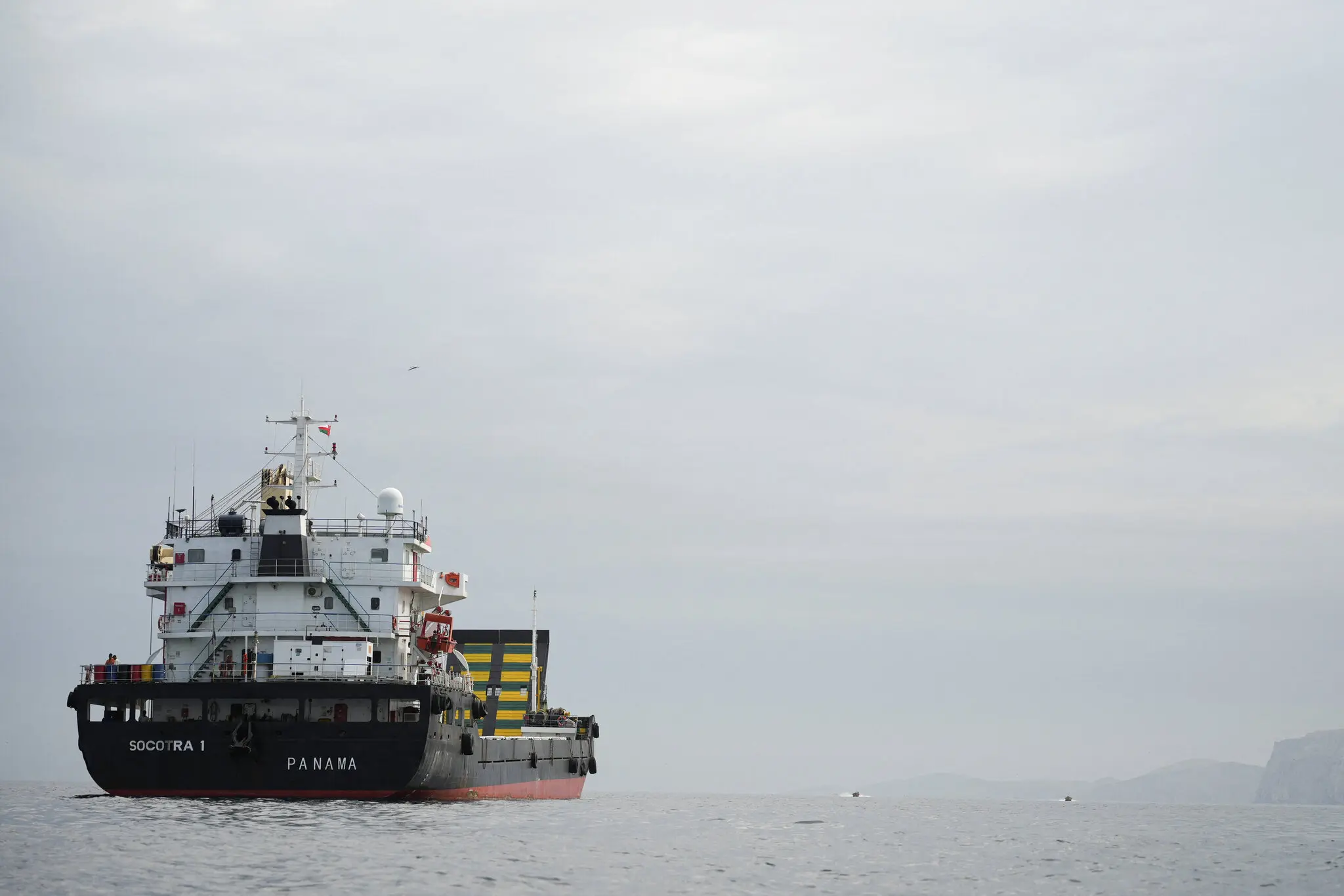
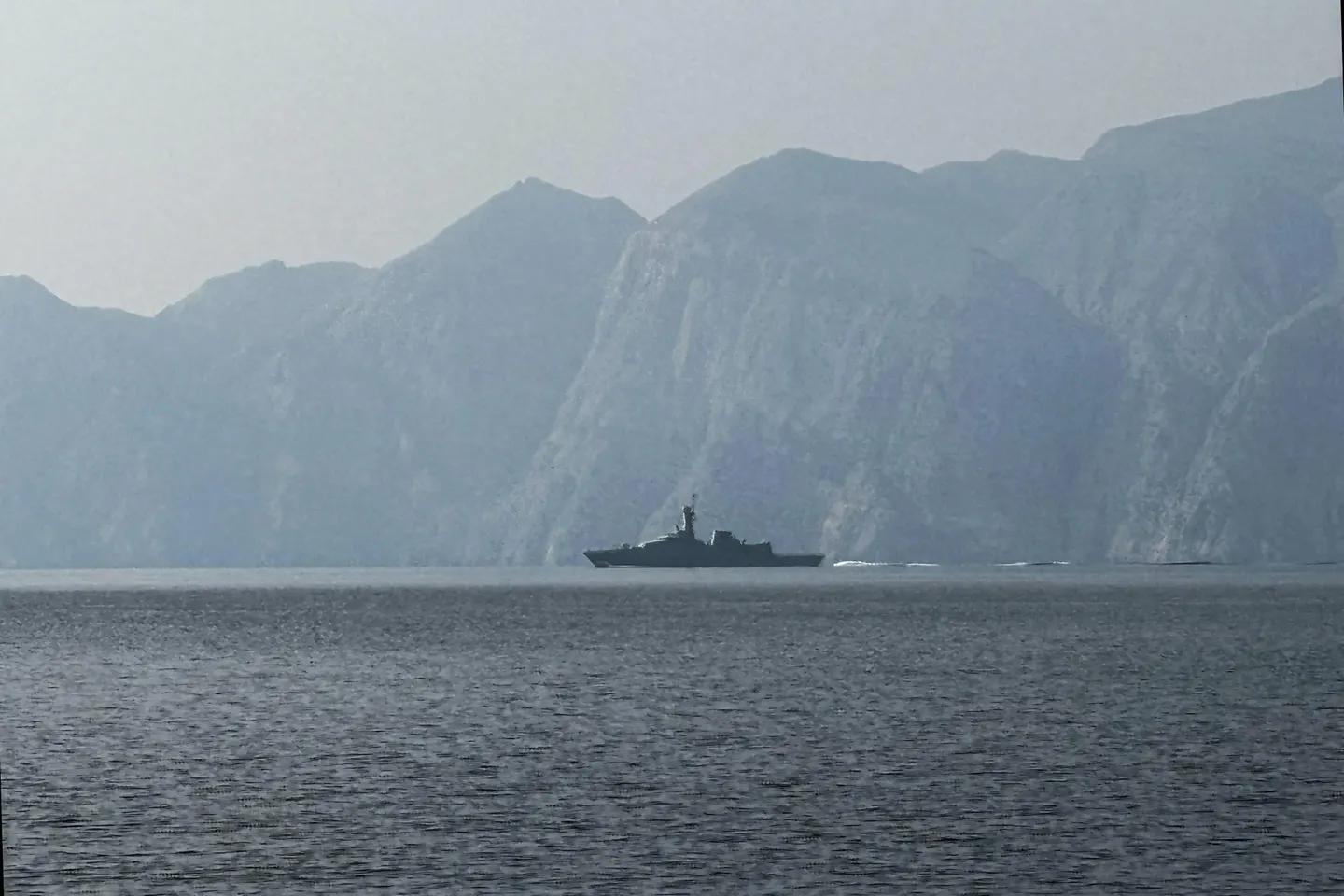
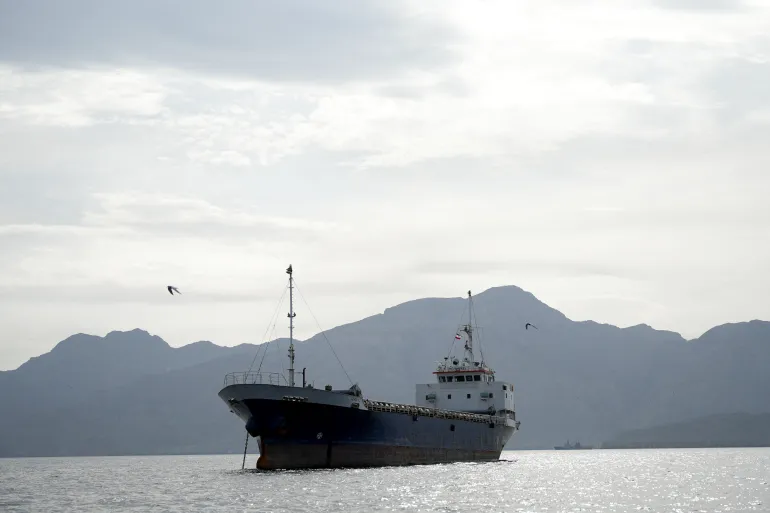
The talks collapsed against the backdrop of escalating rhetoric from Donald Trump, who announced plans to “blockade any and all ships trying to enter, or leave, the Strait of Hormuz” and said US forces remained “locked and loaded”. For Tehran, those statements reinforced the sense that pressure, not compromise, is driving US strategy.
Inside Iran, officials are leaning into defiance. Judiciary chief Gholam-Hossein Mohseni-Ejei praised negotiators for having “guarded the rights” of government supporters, while state messaging has focused on resilience and resistance rather than diplomatic urgency.
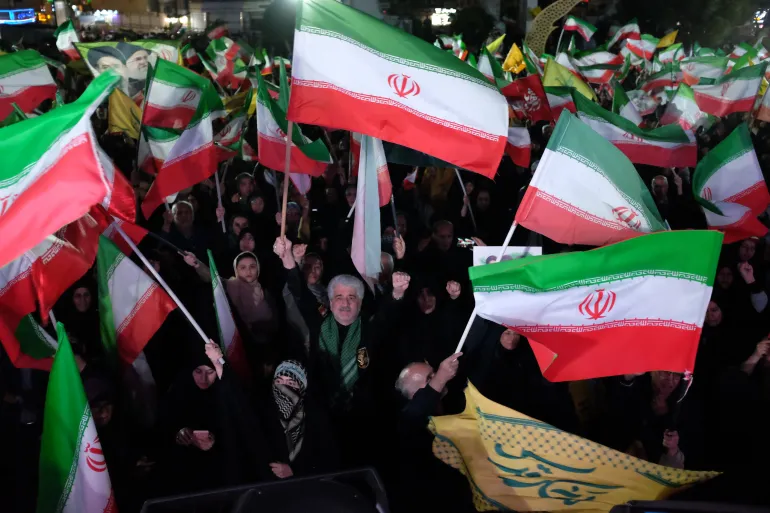
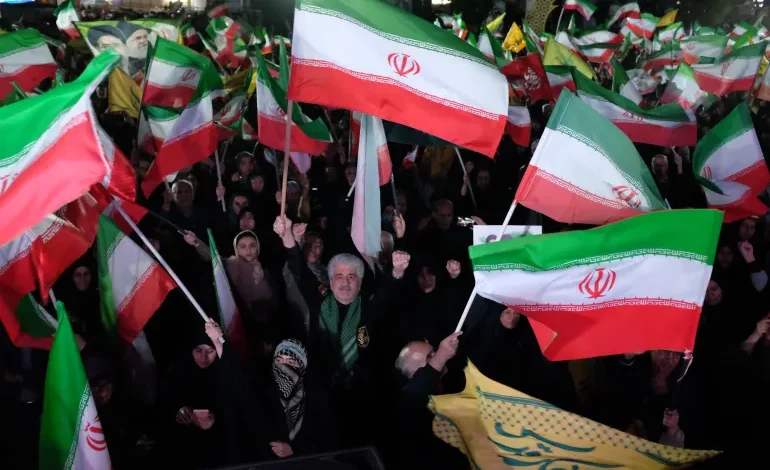
That mood is visible on the streets. Nightly gatherings in Tehran and other cities — involving paramilitary supporters and civilians — have become part of the political theatre surrounding the war. State television has amplified that energy, framing the standoff as one Iran can withstand.
“If the enemy does not understand, we will make them understand,” a masked member of the IRGC’s aerospace division told a crowd in Tehran, drawing cheers and calls for further military action.
At the same time, officials are managing expectations. The foreign ministry has indicated that a deal was never likely after a single day of talks, while lawmakers in the hardline-dominated parliament are openly welcoming the lack of progress. For some, no deal is preferable to concessions.
Deputy speaker Hamidreza Haji-Babaei said supporters would only accept an outcome that effectively signals US “surrender” through a United Nations Security Council resolution and sanctions relief — a position that leaves little room for compromise.
Others have been even more blunt. Amir Hossein Sabeti praised negotiators for “not backing away from red lines” and argued that “there is no way left but to show resistance in the field”.
Behind the scenes, the size and composition of the Iranian delegation — more than 85 people, including senior officials like Foreign Minister Abbas Araghchi and security figures such as Ali Akbar Ahmadian — reflected both internal divisions and the need to maintain political consensus at home.
The result is a familiar stalemate, but with higher stakes. Iranian officials are dismissing Trump’s post-talk statements as “excessive talk”, while the military — particularly the IRGC — is warning it will respond forcefully to any US naval moves in the Strait of Hormuz.
Diplomacy is not entirely off the table. Russian President Vladimir Putin has signalled willingness to continue facilitating talks after speaking with Iranian President Masoud Pezeshkian. But the immediate outlook points less to compromise than to managed escalation.

The latest news in your social feeds
Subscribe to our social media platforms to stay tuned