



With input from the Guardian, BBC, the New York Times, Reuters, Axios, and Bloomberg.
Oil is back in triple digits – and fast.
Prices jumped more than 7% on Monday after Donald Trump ordered a naval blockade targeting Iranian shipping, following the collapse of last-ditch talks between Washington and Tehran. Traders reacted instantly.
Brent crude climbed to $102.30 a barrel, while US benchmark West Texas Intermediate surged even higher, nearing $105. Just days ago, oil had slipped comfortably below $100 after a fragile ceasefire briefly raised hopes that flows through the Strait of Hormuz might normalize. That optimism didn’t last.
Now the mood has flipped.
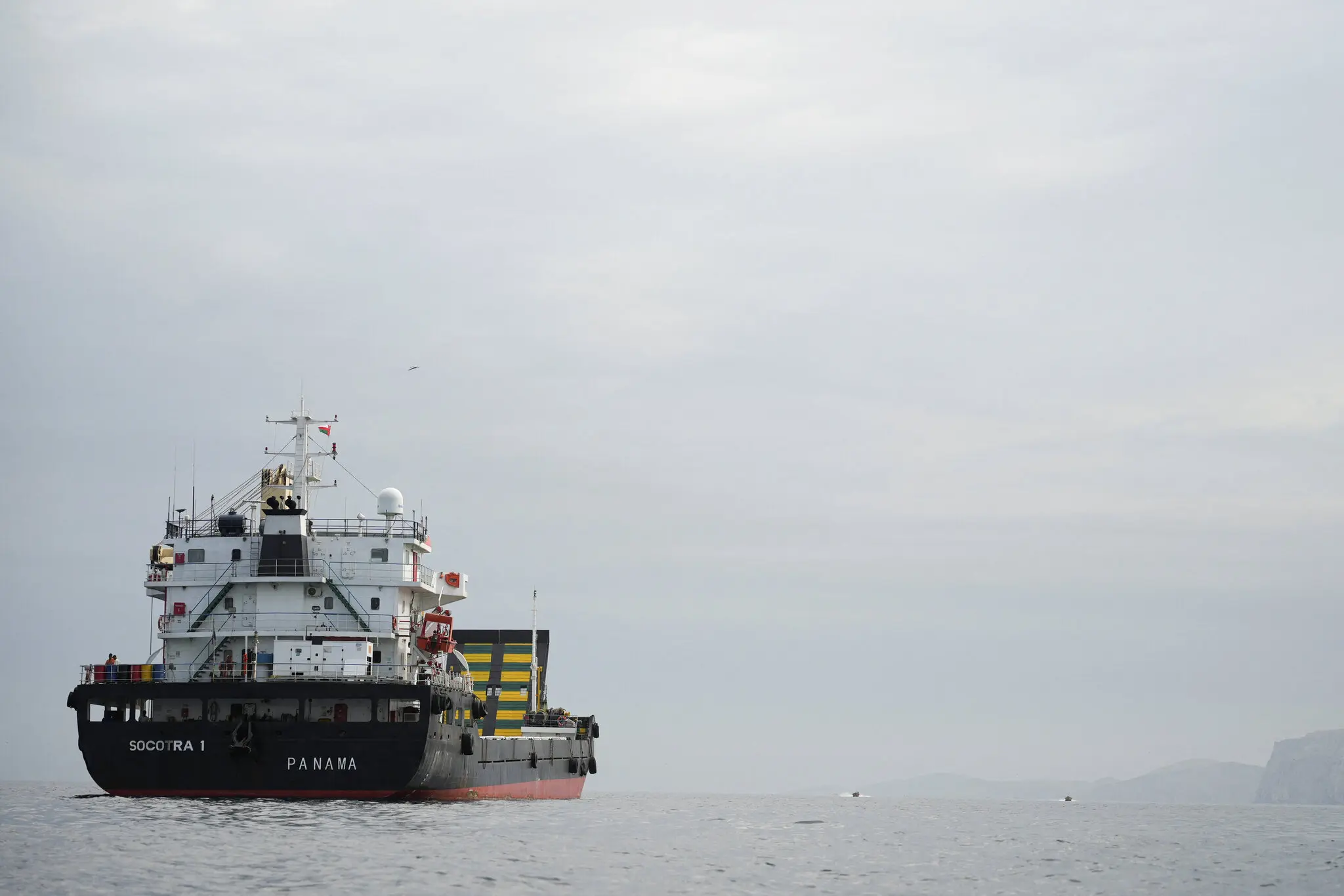
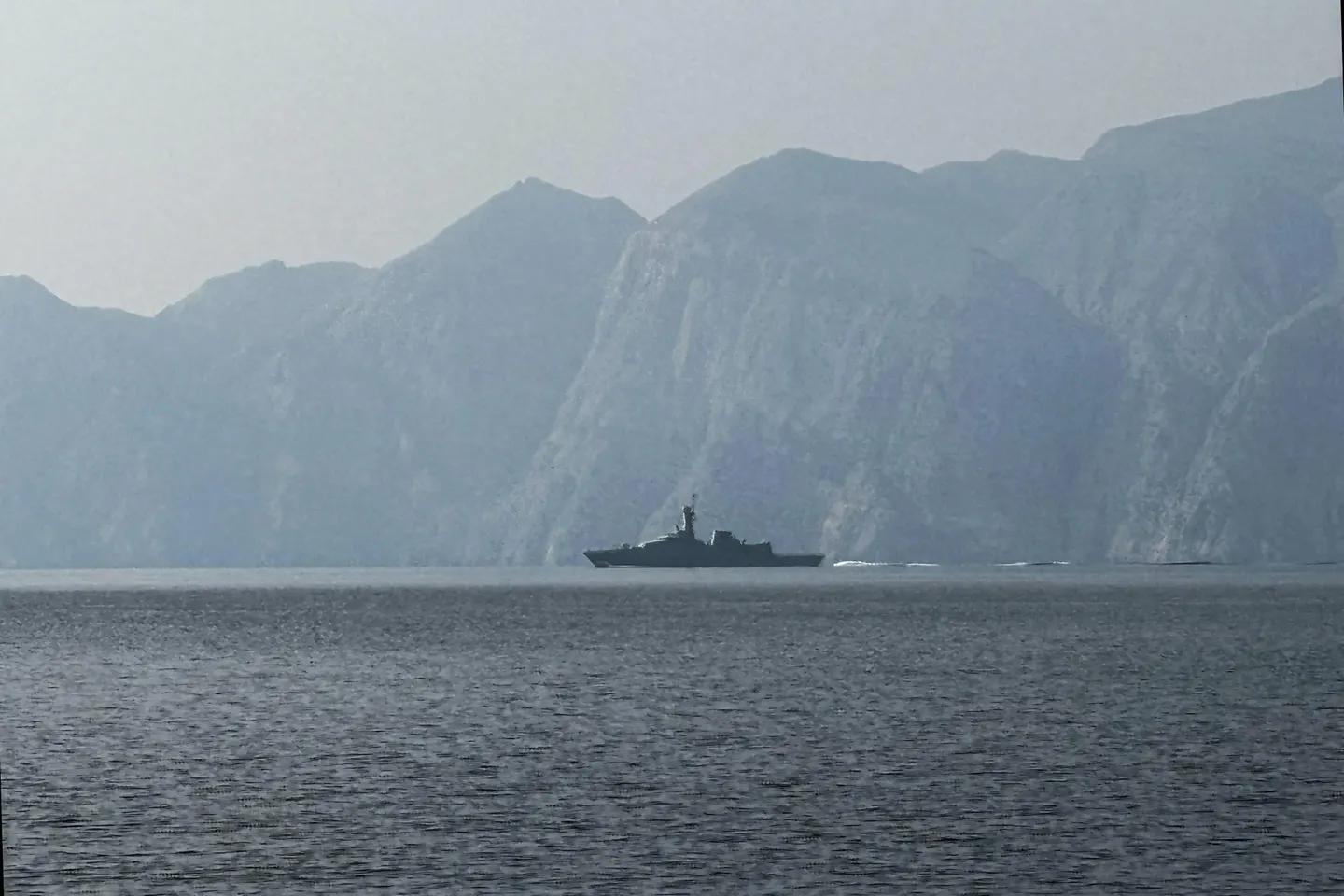
The strait – responsible for roughly a fifth of the world’s energy shipments – has once again become the focal point of the conflict. Iran had already been threatening vessels passing through after retaliating against US-Israeli strikes. Shipping volumes, never fully recovered since fighting began in late February, are now at a near standstill.
And yet, Iranian exports haven’t dried up completely. Tens of millions of barrels have still left Kharg Island since early March, with the vast majority heading toward China.
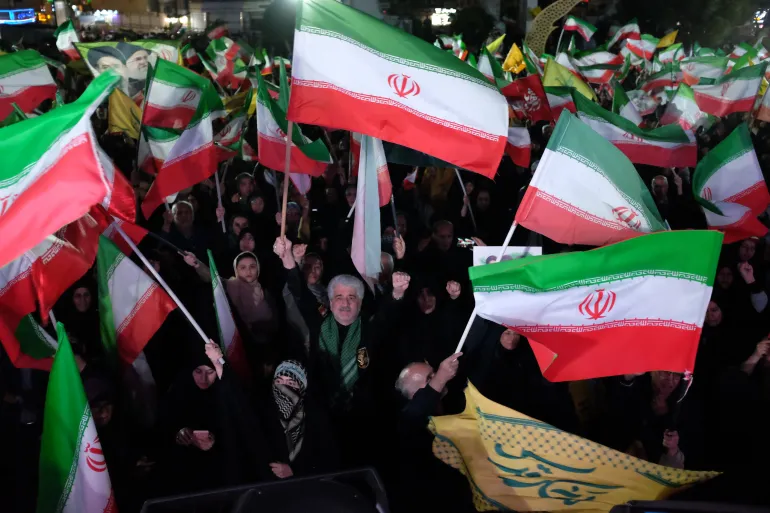
Trump’s latest move raises the stakes. His administration says the US Navy will block ships entering or leaving Iranian ports in the region, though vessels simply passing through to other destinations won’t be targeted. Tehran isn’t buying it – calling the move “piracy” and warning it will tighten its own grip on the waterway.
The market hears one thing: disruption.
Oil traders had been betting that last week’s ceasefire would bring tankers back in force. That bet is now unwinding. Prices are climbing again, and the relief consumers briefly felt at the pump may prove short-lived.
Behind the scenes, there’s a bigger geopolitical calculation. Some analysts believe Washington is trying to force Beijing’s hand – cutting off Iranian oil flows could push China to step in and broker a deal. Whether that works is another question.
For now, uncertainty is doing the heavy lifting.
Economists say prices could stay elevated for a while, depending on how strictly the blockade is enforced and whether diplomacy gets another shot. There’s still a chance the ceasefire holds in practice, even if talks have broken down. If that happens, markets could calm. If not, the next move is likely up.
And oil isn’t the only concern.
The Gulf isn’t just about crude – it’s a critical artery for everything from aluminum to fertilizers. If disruptions drag on, the ripple effects could hit supply chains far beyond energy, pushing up costs across industries.
Markets are already jittery. Stocks across Europe and Asia slipped as trading opened, with energy-importing economies in Asia taking a particularly hard hit.
For now, one thing is clear: the world’s most important shipping lane is back under pressure – and oil is wasting no time reacting.



The latest news in your social feeds
Subscribe to our social media platforms to stay tuned