


Pope Leo heads to Africa as Vatican shifts focus south
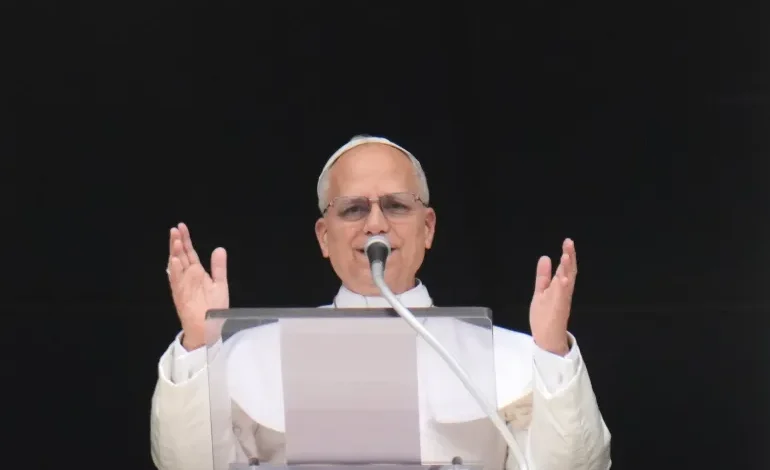

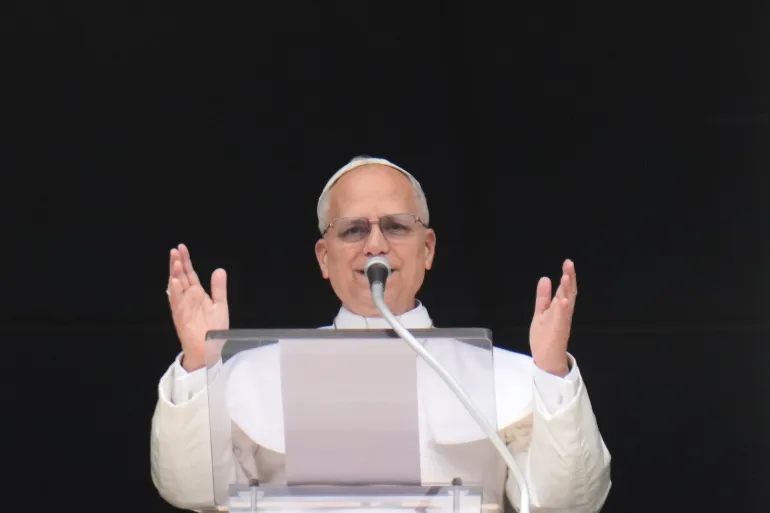
Pope Leo XIV is setting out on an 11-day tour across Africa, a trip that signals where the Catholic Church increasingly sees its future — and where it believes global attention is overdue.
The first American pope begins in Algeria before moving on to Cameroon, Angola and Equatorial Guinea, covering nearly 18,000 kilometres and 11 cities in what is one of the most logistically complex papal visits in decades. Over the course of the trip, he is expected to deliver 25 speeches, touching on issues that go well beyond religion.
At the centre of the visit is a demographic reality: more than 20 percent of the world’s Catholics now live in Africa. In the three sub-Saharan countries on the itinerary, Catholics make up more than half the population. Even in Algeria — where fewer than 10,000 Catholics live among roughly 48 million people — the visit carries symbolic weight.
The trip is aimed at continuing to “build bridges between the Christian and Muslim worlds”, the archbishop of Algiers, Jean-Paul Vesco, told AFP.
Leo, 70, has travelled sparingly since becoming pope last May, with previous visits to Turkiye, Lebanon and Monaco. This tour, by contrast, is broader in scope and more politically layered. It comes as the pontiff has positioned himself as an outspoken critic of the United States and Israel’s war on Iran, adding a geopolitical edge to what might otherwise be framed as a pastoral visit.
The Vatican has been careful to present the trip as multifaceted. According to spokesperson Matteo Bruni, Leo is expected to address a range of issues, from the exploitation of natural resources to corruption and interfaith dialogue. The countries on the itinerary reflect those themes: Cameroon and Equatorial Guinea, for example, are led by long-serving presidents who have faced accusations of human rights abuses, which they deny.
The schedule itself blends symbolism with scale. In Algeria, Leo is due to visit both the Great Mosque of Algiers — home to the world’s highest minaret — and the Basilica of Our Lady of Africa. He will also pray privately for 19 clergy killed during the country’s civil war in the 1990s, though he will not travel to the Tibhirine monastery, where monks were abducted and murdered in 1996.
Later in the trip, the focus shifts to mass participation. In Cameroon’s coastal city of Douala, up to 600,000 people are expected to attend a major public mass, underscoring the continent’s growing importance to the Church not just in numbers, but in energy and expansion.
Recent Vatican data reinforces that shift. Of the 15.8 million people baptised into the Catholic Church in 2023, more than half — 8.3 million — were in Africa. The continent is also supplying increasing numbers of priests and nuns, reversing a historical pattern in which it was primarily a destination for missionaries.


The latest news in your social feeds
Subscribe to our social media platforms to stay tuned