

Bloomberg, Market Watch, and Forbes contributed to this report.
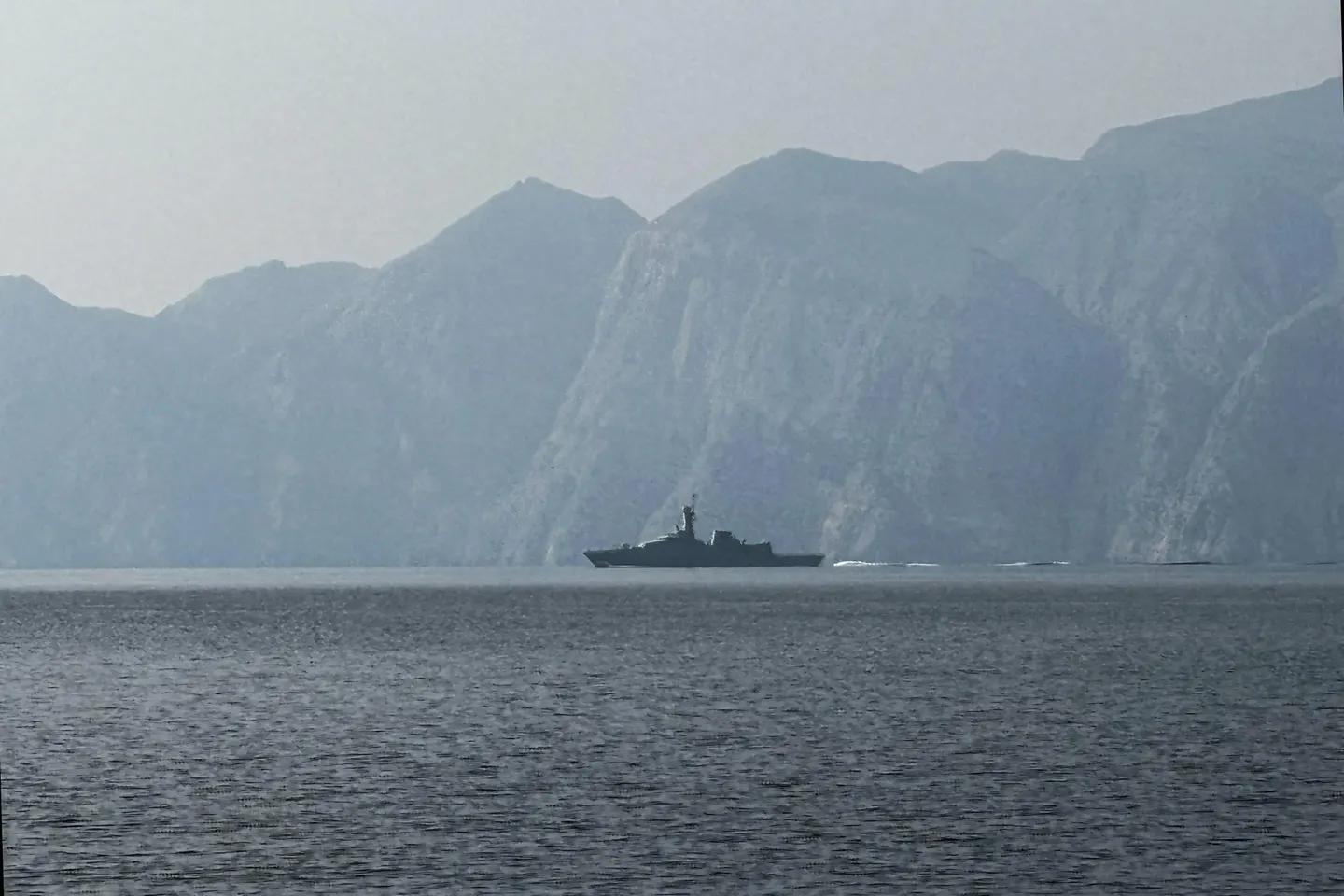
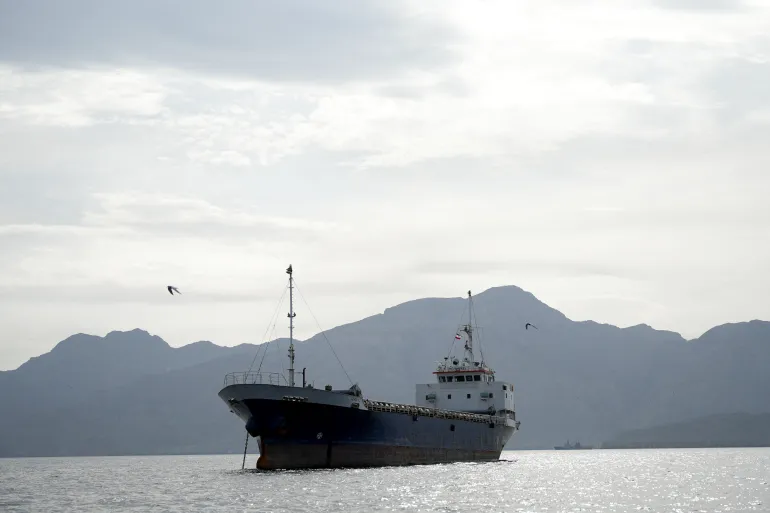
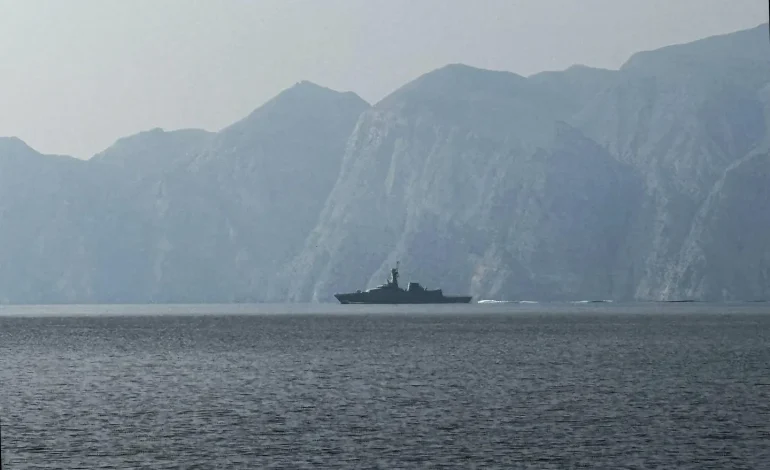
In a matter of hours, Donald Trump is set to roll out a sweeping blockade on maritime traffic in and out of Iranian ports – the kind of move that would normally rattle global markets.
This time? Not so much.
Futures are pointing to a mild dip. The S&P 500 is on track to open down just half a percent. Oil is hovering a little above $100 a barrel. For something this disruptive on paper, the reaction feels oddly muted.
Step back, though, and the broader picture looks anything but calm.
Iran’s strategy – squeeze the global economy, raise the political cost of war – is starting to bite. Allies of the US are scrambling. Some are closer to the edge than they’d like to admit.
Take Australia. Its industries are already wrestling with diesel shortages serious enough to spark talk of a government-backed fuel reserve. Across Europe, the situation is tightening fast. In some countries, jet fuel stockpiles are down to just over a week. The region’s airport lobby, ACI Europe, has gone as far as asking the European Commission for emergency action.
Elsewhere, countries that rely heavily on Middle Eastern crude – from India to Philippines – have already started rationing energy.
Even the United States isn’t fully shielded. Gas prices have surged to record highs, feeding into the sharpest monthly inflation jump since 2022. So much for energy independence softening the blow.
And then there’s the geopolitical twist. Some US allies are looking for help in unlikely places. Spain’s prime minister flew to China to try to nudge Beijing into playing peacemaker – a reminder of how quickly alliances get flexible when energy security is on the line.
So why isn’t the market reacting?
Part of it comes down to timing. The blockade, dramatic as it sounds, doesn’t drastically change the current reality. Shipping routes tied to Iran are already heavily disrupted. In practical terms, traders have been pricing in something close to this for weeks.
There’s also a growing sense of fatigue on Wall Street. After weeks of escalating threats, red lines, and counter-threats, investors are starting to tune out the rhetoric. As George Boubouras of K2 Asset Management put it, money managers are “looking through” the noise. When every headline sounds like a turning point, none of them really are.
Another factor: expectations around how this ends.
There’s a widely held view that Washington has less tolerance for prolonged economic pain than Tehran. Andreas Krieg summed it up bluntly – Iran can absorb pressure longer than the global economy, longer than Gulf states, longer than the US.
That belief shapes how investors position themselves. If markets assume the US will blink first, then even aggressive moves like a blockade start to look temporary – more bargaining chip than endgame.
And there’s the quiet assumption hanging over everything: neither side actually wants this to spiral further.
Both Washington and Tehran are feeling the strain, just in different ways. One faces political pressure and market fallout. The other is used to operating under sanctions and isolation. Somewhere in that imbalance lies the expectation of a negotiated off-ramp.
Still, there’s a catch.
The world doesn’t get to pause its energy needs while leaders figure things out. Oil demand isn’t going anywhere, and supply disruptions – even partial ones – ripple quickly through prices, logistics, and politics.
Markets may be calm for now. That calm looks less like confidence and more like calculation.


The latest news in your social feeds
Subscribe to our social media platforms to stay tuned