
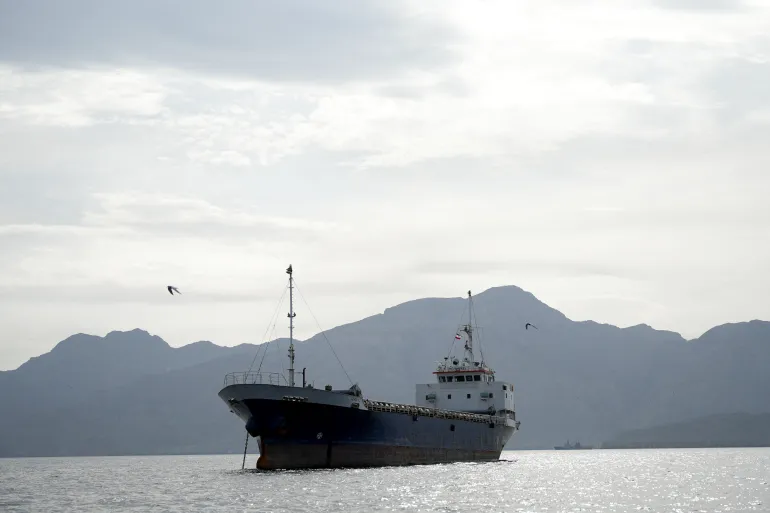




US narrows Iran blockade as risks of escalation rise
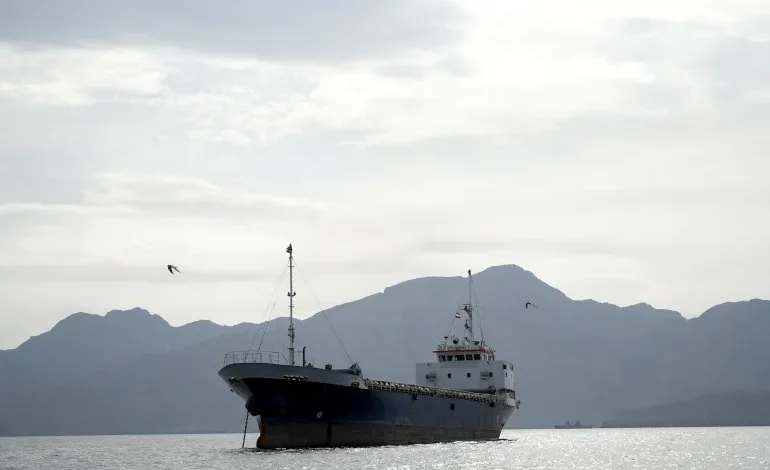

The United States military says it will begin blockading Iranian ports, a move that signals renewed pressure on Tehran after peace talks in Pakistan failed to produce a deal — but also highlights confusion over how far Washington is willing to go.
In a statement late Sunday, US Central Command (CENTCOM) said the blockade would target “all maritime traffic entering and exiting Iranian ports” starting Monday morning. The scope is broad in one sense — applying to vessels “of all nations” — but narrower than earlier rhetoric from President Donald Trump, which suggested a potential blockade of the entire Strait of Hormuz.
CENTCOM drew a clearer line. US forces, it said, “will not impede freedom of navigation for vessels transiting the Strait of Hormuz to and from non-Iranian ports,” effectively limiting the operation to ships directly linked to Iran.
That distinction matters. The Strait of Hormuz is one of the world’s most critical energy chokepoints, and a full blockade would have far wider global consequences. The more targeted approach suggests an attempt to increase pressure on Iran without triggering a broader disruption to international shipping.
Still, the messaging gap has not gone unnoticed.
Markets reacted quickly. US crude rose 8 percent to $104.24 a barrel, while Brent crude climbed 7 percent to $102.29, reflecting continued sensitivity to any threat involving the Gulf.
The backdrop is already strained. Since the start of the war on February 28, Iran has effectively tightened its grip over the Strait of Hormuz, a route that typically carries about one-fifth of global oil and liquefied natural gas supplies. Shipping volumes have dropped sharply, with only limited traffic continuing under informal arrangements.
Tehran has allowed some foreign vessels through while continuing to move its own ships, and officials have floated the idea of a toll system once hostilities end — a sign of how the conflict is reshaping control over the waterway.
The US move now risks pushing that fragile balance further. Iran’s Islamic Revolutionary Guard Corps warned that any approaching military vessels would violate the existing ceasefire, set to last until April 22, and “will be dealt with severely”.
The timing of the blockade points directly to the collapse of talks in Islamabad. Iranian officials accused Washington of shifting the “goalposts” at a late stage, with Foreign Minister Abbas Araghchi saying a memorandum of understanding had been “just inches away”.


The latest news in your social feeds
Subscribe to our social media platforms to stay tuned