

Trump calls naval seizures “profitable” as Iran blockade tensions deepen
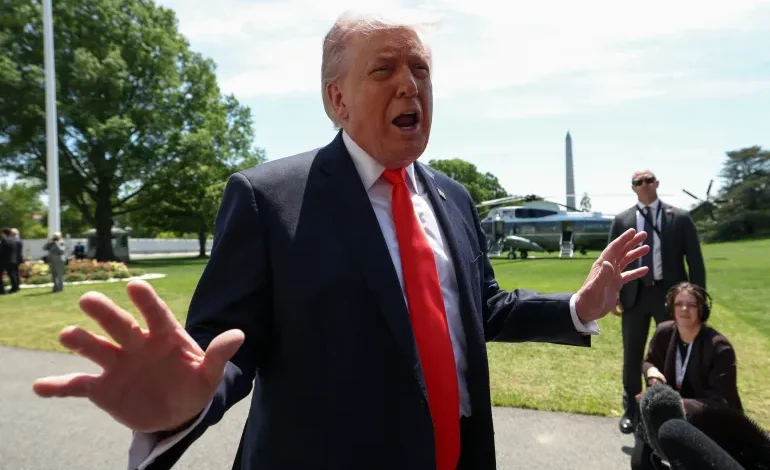

US President Donald Trump has described American naval operations enforcing the blockade of Iranian ports in unusually blunt terms, likening them to piracy while underscoring the economic dimension of the campaign.
“We … land on top of it and we took over the ship. We took over the cargo, took over the oil. It’s a very profitable business,” Trump said at a rally in Florida.
“We’re like pirates,” he added, before clarifying: “We’re sort of like pirates. But we’re not playing games.”
The remarks offer a rare window into how the administration is framing the blockade — not only as a strategic pressure tool, but also as a mechanism that disrupts Iranian oil flows while generating tangible gains.
The operation sits within a broader escalation that followed the start of the war on February 28, when US and Israeli strikes on Iran triggered retaliatory attacks by Tehran against Israel and Gulf states hosting US military bases. Iran then moved to block the Strait of Hormuz, a critical chokepoint through which roughly 20 percent of global oil and gas supplies pass.
Although a ceasefire took effect on April 8, the pause in direct hostilities did not translate into de-escalation. Within days, Washington imposed a naval blockade targeting Iranian ports and shipping routes, tightening economic pressure even as negotiations continued.
That contradiction — talks on one track, coercion on another — continues to define the current phase of the conflict. Trump has signalled little confidence in diplomacy, saying he is “not satisfied” with Iran’s latest proposal and warning that the US could “blast them away” if negotiations collapse.
From Tehran’s perspective, the blockade reinforces doubts about Washington’s intentions. Iranian officials have suggested that the US has hardened its position even as Iran has adjusted its own demands during negotiations, fuelling expectations that the ceasefire could unravel.


The latest news in your social feeds
Subscribe to our social media platforms to stay tuned