



US Charges Raul Castro as Cuba Tensions Climb

The Trump administration has filed criminal charges against former Cuban leader Raul Castro over the 1996 downing of two civilian planes that killed four people, opening a new front in Washington’s escalating pressure campaign against Havana.
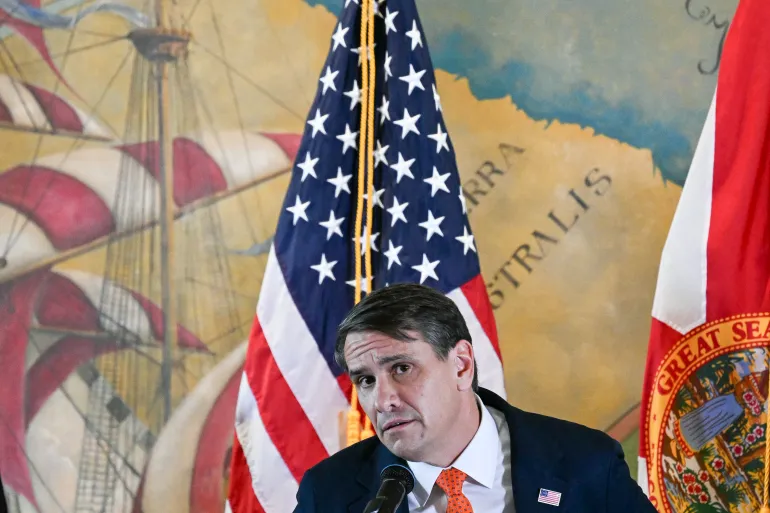
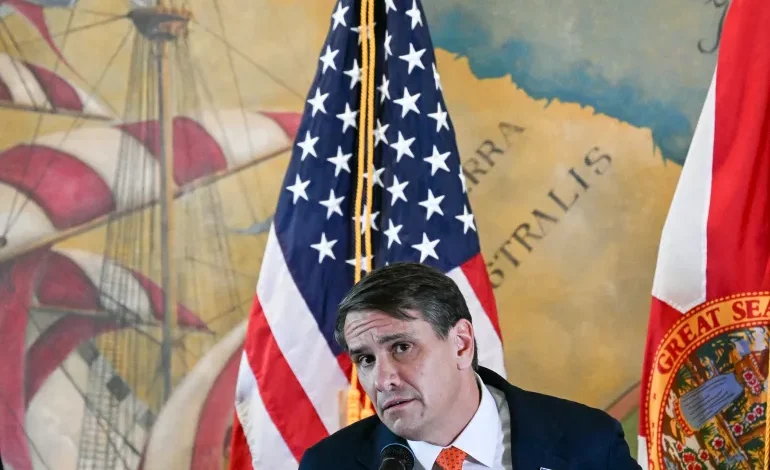
Acting US Attorney General Todd Blanche announced the indictment on Wednesday during a speech at Miami’s Freedom Tower, framing the case as a long-delayed act of accountability.
“For the first time in nearly 70 years, senior leadership of the Cuban regime has been charged in this country, in the United States of America, for acts of violence resulting in the deaths of American citizens,” Blanche said.
“Nations and their leaders cannot be permitted to target Americans, kill them, and not face accountability.”
The charges against Castro, now 94, and five co-defendants centre on the 1996 shootdown of two planes operated by the Cuban exile group Brothers to the Rescue.
The indictment is likely to deepen already severe tensions between the United States and Cuba. Since returning to office, Trump has expanded sanctions and imposed what amounts to a fuel blockade on the island, part of a broader effort to force political change in Havana.
On Wednesday, Trump tied the indictment to that wider campaign.
“America will not tolerate a rogue state with hostile foreign military, intelligence and terror operations just ninety miles [145km] from us. We will not rest until people of Cuba once again have freedom.”
Secretary of State Marco Rubio, a Cuban American, also released a video statement addressed to the Cuban people. He blamed Cuba’s economic and humanitarian crisis on its leadership and repeated Washington’s offer of $100m in humanitarian aid in exchange for reform.
Cuban President Miguel Diaz-Canel rejected Washington’s framing, describing the 1996 shootdown as an act of “legitimate self-defence”.
He said the US “knows full well — for there is abundant documentary evidence — that no reckless actions were taken, nor was international law violated”.
The case lands inside a much larger dispute over US policy towards Cuba. Washington has maintained a trade embargo on the island since the 1960s, the longest such embargo in modern history. Trump has sharply intensified that pressure this year, cutting off fuel and financial exchanges between Venezuela and Cuba and threatening penalties against countries that supply Cuba with oil.
The effect has been severe. Cuba’s ageing infrastructure depends heavily on imported fuel, and the island has faced nationwide blackouts as its economic crisis deepens.
Although Raul Castro left the presidency in 2018, he remains a major symbolic and political figure in Cuba. Alongside his brother Fidel Castro, he helped lead the 1959 Cuban Revolution that brought the communist government to power.
Washington’s renewed focus on Cuba follows the US abduction of Venezuelan President Nicolas Maduro in January and the subsequent US takeover of Venezuela’s oil industry. Since then, Trump has pushed more openly for regime change and economic reforms in Havana, while also hinting at possible military action if his demands are not met.
Cuba’s government has responded with defiance.
“Despite the [US] embargo, sanctions and threats of the use of force, Cuba continues on a path of sovereignty towards its socialist development,” Foreign Minister Bruno Rodriguez said earlier this month.

The latest news in your social feeds
Subscribe to our social media platforms to stay tuned