

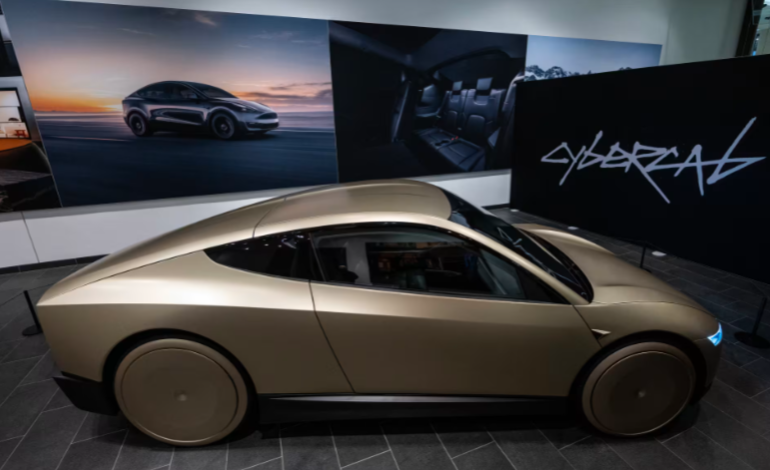

Tesla, Inc. (TSLA) enters 2025 on the heels of a late-year stock rally that pushed its valuation beyond $1 trillion, fueled partly by its autonomous “Cybertaxi” announcement, Market Watch reports.
However, sustaining that momentum may prove challenging as the company navigates uncertainties around politics, new projects, and global competition, particularly in China.
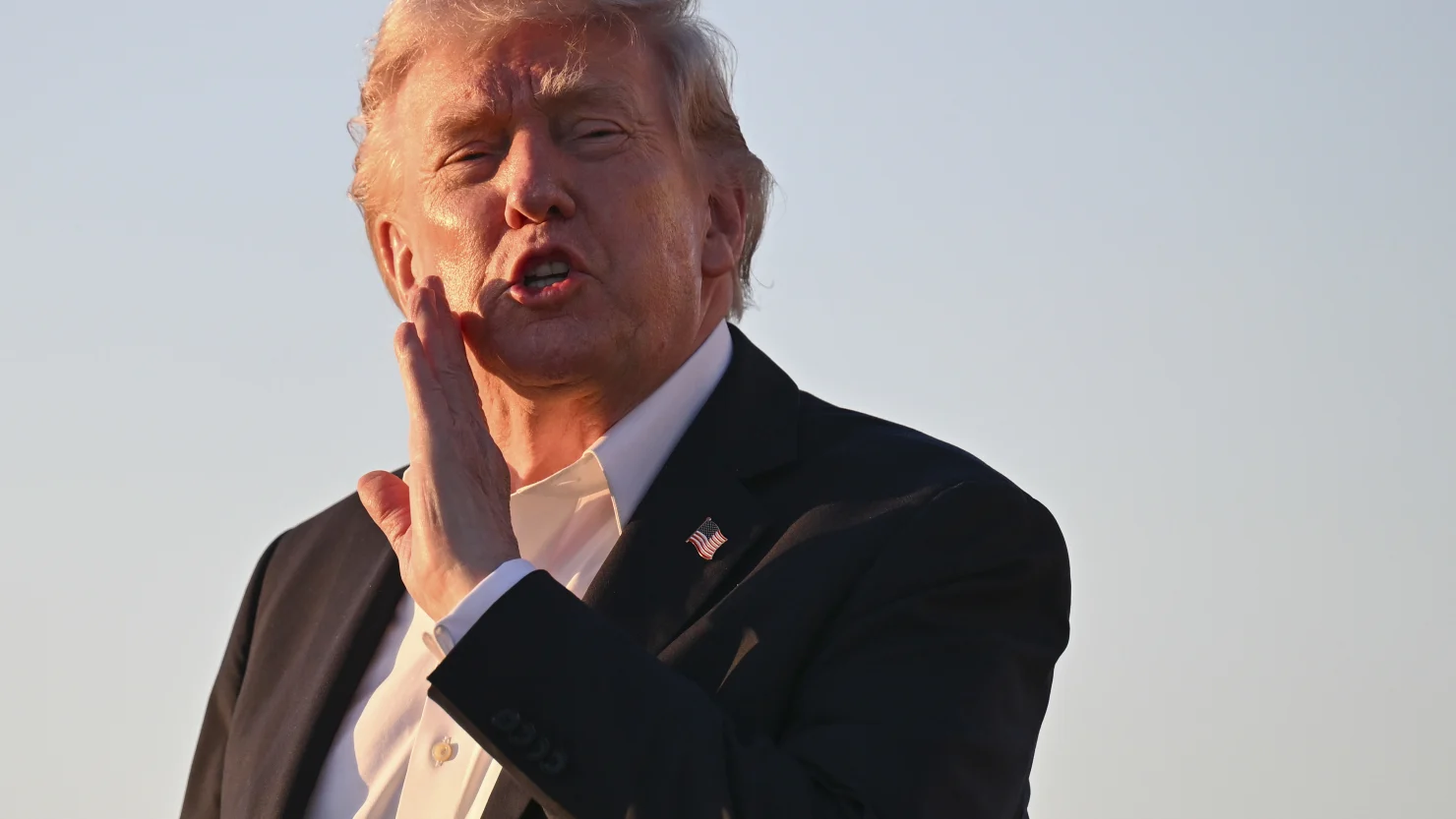
One of the major factors influencing Tesla’s future is the political landscape. CEO Elon Musk’s increasing involvement in politics has sparked discussions about his “bromance” with President-elect Donald Trump. While this relationship may provide opportunities, it also introduces unpredictability, such as the possible end of federal EV tax incentives.
Trump’s transition team has considered eliminating EV incentives, a move that could disrupt near-term demand. However, analysts suggest Tesla may be better positioned to weather this change compared to competitors. Musk himself has previously criticized such incentives, arguing that Tesla’s cost-effective and innovative products make subsidies less critical.
Comparisons to China’s 2022 reduction of EV incentives suggest potential challenges. In China, EV sales dropped temporarily, with carmakers lowering prices to attract buyers. A similar scenario could unfold in the US, leading to a period of uncertainty for consumers and manufacturers alike.
Tesla’s push toward autonomous vehicles (AVs), particularly its Full Self-Driving (FSD) suite, has been a key driver of investor enthusiasm. Analysts have called FSD a “game changer,” though skepticism remains.
While Tesla has a clear path to autonomy in the U.S., its leadership in this space is less certain in China, where local companies pose stiff competition. Questions also linger about whether FSD’s potential success in the US alone could sustain Tesla’s stock momentum.
Tesla plans to launch a redesigned Model Y and a more affordable EV in 2025, both of which are crucial to maintaining its market position. However, these initiatives face hurdles, including price wars with rivals and potential delays in bringing products to market.
China remains Tesla’s most consequential market and its greatest uncertainty. While Tesla is a significant player in China’s EV sector, the company faces intense competition from domestic automakers. Musk’s popularity in China could help, but analysts warn that goodwill alone might not overcome broader economic and geopolitical challenges.
Musk has forecast 20%-30% vehicle sales growth for 2025, a target some analysts view as overly optimistic. Tesla sold 1.8 million vehicles in 2023, and 2024 figures, expected soon, will provide further clarity.
Headwinds such as fluctuating oil prices, a stronger dollar, and reduced tax incentives may temper growth. Moreover, Tesla’s core business as a carmaker remains vulnerable to these external factors, regardless of advancements in FSD or other innovations.



The latest news in your social feeds
Subscribe to our social media platforms to stay tuned