


Airfares Surge and Flights Vanish as Fuel Costs Soar in Wake of Iran War

Fortune, AlJazeera, the Washington Post, the Guardian contributed to this report.
Flying this summer is getting pricier – and less predictable.
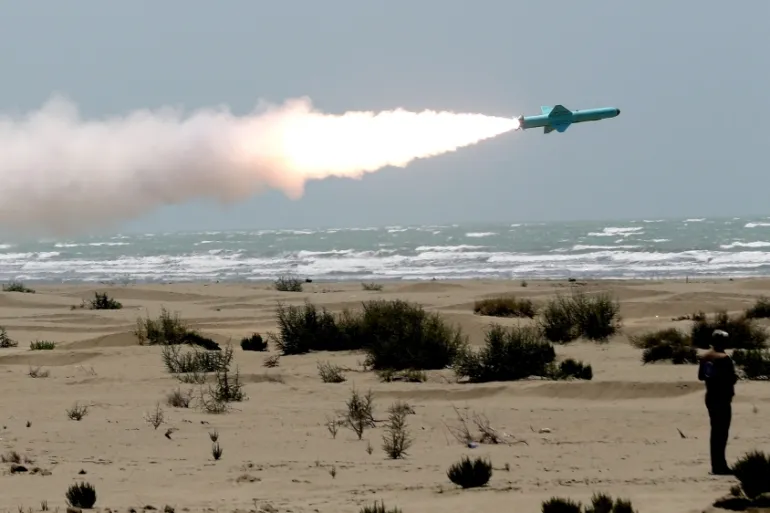
Airlines around the world are hiking ticket prices and quietly trimming schedules as jet fuel costs spike, a ripple effect of the ongoing tensions involving Iran and disruptions around the Strait of Hormuz. For travelers, it means fewer seats, higher fares, and a growing sense that plans could change at any moment.
Jet fuel prices have jumped more than 80% since late February, when conflict in the region escalated. That’s forced carriers into tough calls: fly less, charge more – or both.
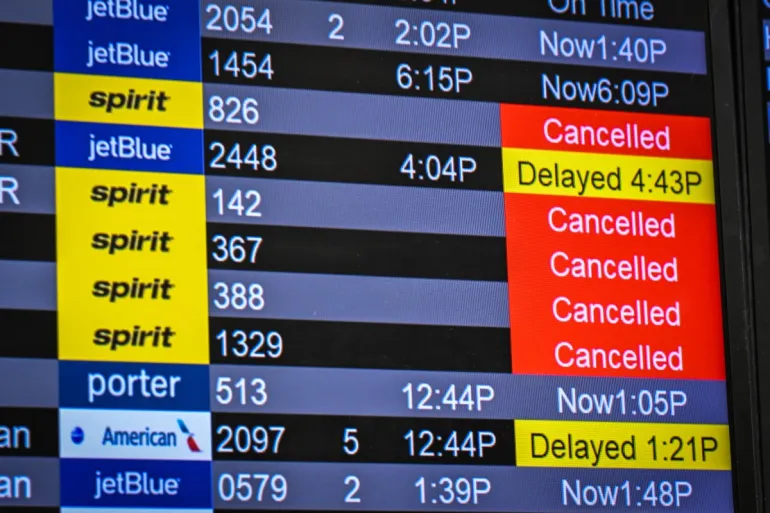
Some already have. Budget carrier Spirit Airlines said it’s shutting down operations altogether, with soaring fuel costs widely blamed for pushing it over the edge.
Across major markets – from the US to Asia and Europe – airlines have cut roughly 9.3 million seats between June and the end of September, according to aviation data firm Cirium. The reductions are especially sharp in the Middle East, where airspace disruptions have added another layer of chaos.
Qatar Airways alone has pulled about 2 million seats from its summer schedule. Emirates and Etihad Airways aren’t far behind, scaling back hundreds of thousands more.
For the flights that are still operating, prices have climbed fast. International fares out of the US are up about 16% compared to last year, while domestic tickets have jumped even more – roughly 24%.
On some long-haul routes, the increases are extreme. Flights between Europe and Asia have, in some cases, multiplied several times over, driven by a squeeze between strong demand and shrinking capacity.
Travelers are reacting. Some are booking earlier than usual, worried prices will keep climbing or flights will disappear. Others are switching strategies entirely – opting for full-service carriers over budget airlines in hopes of avoiding last-minute cancellations.
That’s exactly what Theodore, a Malaysia-based traveler, did. He locked in flights months ahead of schedule, skipping cheaper options to avoid the headache of sudden changes. The logic is simple: pay more now, deal with less stress later.
Despite the turbulence, demand hasn’t collapsed. Travel appetite is holding up, especially in domestic markets. According to the International Air Transport Association, overall passenger demand is still ticking higher, even if international travel has softened slightly.
Still, the industry is on edge. Executives warn that if fuel supplies tighten further – something that’s already being discussed in parts of Europe and Asia – the situation could worsen quickly.
Even a resolution to the conflict wouldn’t bring immediate relief. Fuel markets don’t reset overnight, and airlines have little incentive to roll back prices once travelers have shown they’re willing to pay.
For now, the message is clear: summer travel isn’t off the table. It’s just getting more expensive – and a lot less certain.



The latest news in your social feeds
Subscribe to our social media platforms to stay tuned