



Iranian Economy Minister Impeached Amid Economic Crisis
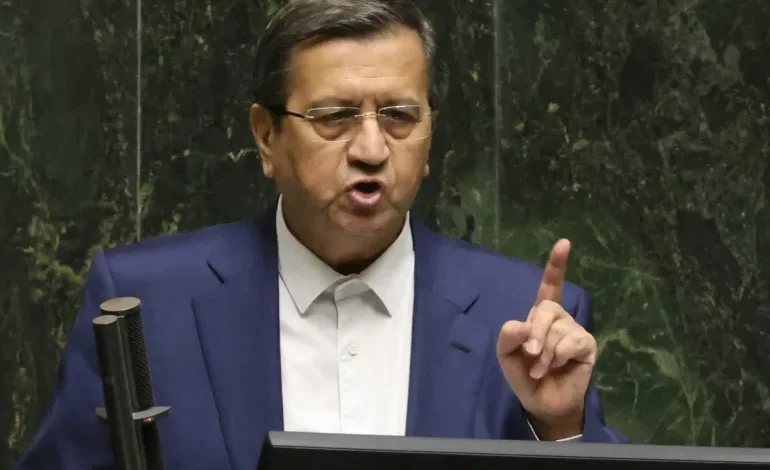

Iran’s parliament voted to impeach Economy Minister Abdolnaser Hemmati on Sunday, dismissing him from office after a vote of no confidence fueled by a plunging currency and soaring inflation, Al Jazeera reports.
The move comes just six months after President Masoud Pezeshkian’s moderate government took office, highlighting the immense pressure on the administration to address the country’s economic woes.
Of the 273 lawmakers present, 182 voted in favor of Hemmati’s removal, as announced by conservative Parliament Speaker Mohammad Bagher Ghalibaf.
The Iranian rial has experienced a dramatic decline in recent years. In 2015, one US dollar was worth some 32,000 rials. However, by the time Pezeshkian assumed office in July, the exchange rate had plummeted to around 600,000 rials per dollar on the open market. Escalating regional tensions have further exacerbated the situation, with the rial now trading at approximately 950,000 to the dollar in Tehran. This devaluation has triggered widespread public anger due to the rising cost of living and intensifying inflation, particularly with the Nowruz New Year approaching this month.
President Pezeshkian, who attended the parliamentary session, defended Hemmati, a former central bank governor and presidential candidate. Mohammad Qasim Osmani, a lawmaker supporting Hemmati, argued that the current government was not solely responsible for the rising inflation and exchange rates, pointing to existing budget deficits.
However, hardline lawmakers, who have been critical of Pezeshkian’s administration since its inception, accused Hemmati of playing a key role in the country’s economic instability. They argued that his continued presence in office would be “dangerous” for Iran.
Hemmati rejected these accusations, emphasizing a 10-percentage-point reduction in inflation during his tenure. He acknowledged that inflation remained high at 35 percent and assured lawmakers that his team was actively working to address the issue, although he cautioned that the process would take time.
Hemmati also highlighted the critical juncture facing Iran’s 2015 nuclear deal with world powers, noting that Western powers have until October to potentially activate the “snapback” mechanism, which could reinstate all United Nations sanctions against Iran.
Supreme Leader Ali Khamenei has previously stated that Tehran will not negotiate under the “maximum pressure” policy imposed by Washington. President Pezeshkian told parliament on Sunday that he initially wanted to negotiate but altered his position following the Supreme Leader’s remarks.
Despite Hemmati’s appeals for unity, the vote to impeach him represents a significant victory for hardline MPs and the first successful removal of a senior official from President Pezeshkian’s administration. However, it is likely Hemmati will remain involved in the government, as impeached ministers have often been appointed as special advisors to the president in the past.
Adding to the political pressure, some lawmakers are reportedly pursuing efforts to remove former Foreign Minister Mohammad Javad Zarif from his position as a strategic advisor to the president.
Beyond the political wrangling, Iran’s economy continues to suffer under the weight of rampant local mismanagement, corruption, and decades of US-led sanctions. The expanding fallout from the conflict in Gaza and setbacks for the Iran-led “axis of resistance” have further fueled public anxiety over potential economic instability. The country has also recently faced a severe energy crisis, forcing the shutdown of key services.



The latest news in your social feeds
Subscribe to our social media platforms to stay tuned